


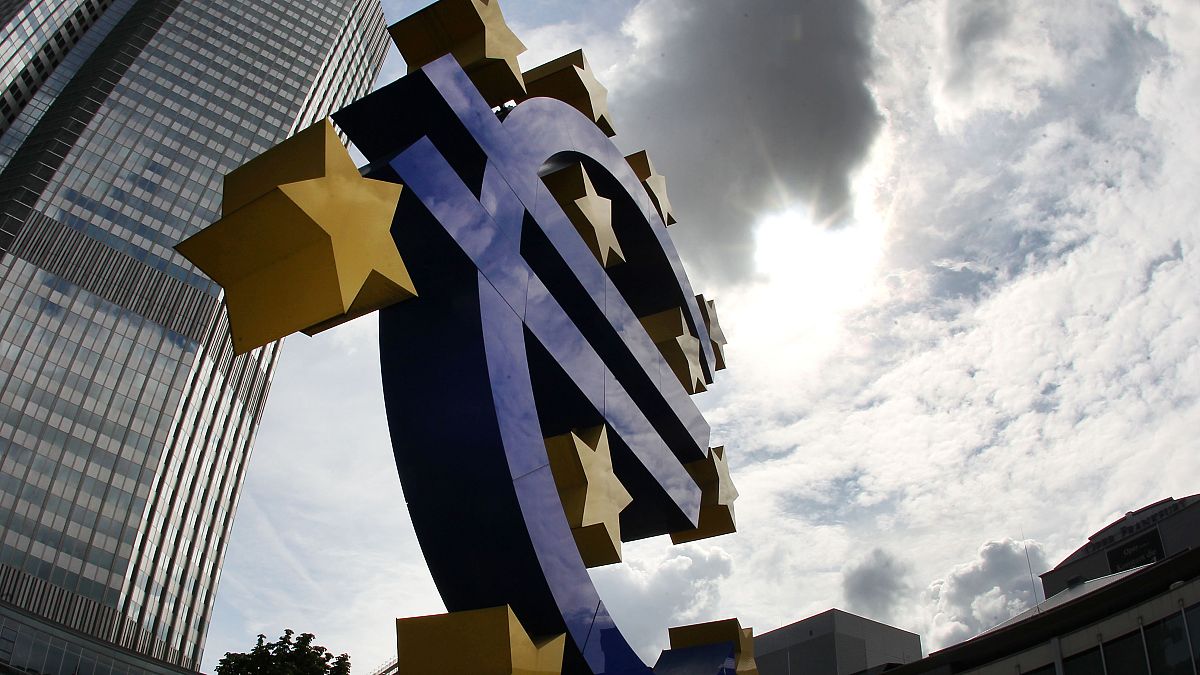
Isabel Schnabel, a prominent member of the European Central Bank (ECB) Executive Board, has expressed that interest rates are approaching a neutral stance, advocating for incremental cuts in response to ongoing inflation pressures. In a recent interview, she articulated that while the ECB is nearing a neutral interest rate range—estimated between 2% and 3%—there is limited room for aggressive rate adjustments. Schnabel’s perspective signifies the ECB’s cautious approach in navigating the delicate balance between curbing inflation and addressing potential economic risks emerging from global uncertainties, particularly those surrounding U.S. trade policies under Donald Trump. She emphasized that cutting rates below the neutral level would be inappropriate and could undermine the bank’s ability to respond effectively to future economic shocks.
The looming possibility of reinstated U.S. tariffs is a significant concern for Europe, according to Schnabel. She pointed out that renewed trade barriers could create economic instability, particularly affecting export-oriented economies like Germany. Market reactions have already been observed, with the euro depreciating against the dollar as investors brace for potential ramifications of U.S. growth. Schnabel described the dual impact of tariffs on inflation: while they may drive up prices due to increased import costs, they could also dampen demand, negatively influencing price dynamics. The uncertainty stemming from U.S. trade policies presents challenges for investment and consumption in Europe, creating an environment of trepidation for businesses and consumers alike.
The economic outlook for the eurozone is currently bleak, with the S&P Global Purchasing Managers’ Index (PMI) indicating a contraction in business activity. The PMI registered at 46.5 for November, underscoring widespread difficulties in the region, especially in France and Germany, the latter of which faces persistent structural challenges. Schnabel acknowledged the stagnation of the eurozone economy while expressing cautious optimism about the potential for a consumption-driven recovery. She highlighted that consumer spending in the third quarter had exceeded expectations, although the job market shows signs of concern in specific areas, notably with rising unemployment in Germany compared to a generally low unemployment rate across the eurozone.
Despite signs of recovery in some sectors, inflation remains a formidable challenge for the ECB. Currently, services inflation sits at 4%, with wage growth needing to decelerate significantly to achieve the ECB’s target of 2% by 2025. Schnabel pointed to the recent moderation in wage negotiations in Germany as a positive indicator that could facilitate the necessary decline in inflation. However, pressures from fluctuating energy and food prices pose risks to this trajectory, which Schnabel noted still aligns with an overall disinflationary trend in the economy.
Addressing market speculation, Schnabel emphasized the need for the ECB to maintain flexibility in its monetary policy approach. The current climate of economic uncertainty makes rigid forward guidance impractical. She articulated skepticism towards drastic policy shifts, such as an unexpected rate cut or a return to quantitative easing, favoring instead a measured and gradual strategy. Schnabel reinforced the necessity of acknowledging evolving economic conditions and external risks, including geopolitical tensions and variable energy prices, in shaping future policy decisions.
In conclusion, Isabel Schnabel’s remarks reflect a nuanced understanding of the complex interplay between interest rates, inflation, and global economic uncertainties. As the ECB grapples with the challenges posed by potential U.S. trade tariffs and stagnant growth within the eurozone, her advocacy for gradual rate adjustments signifies a commitment to proactively managing both inflationary pressures and economic vulnerabilities. The focus on preserving policy space for future contingencies highlights the ECB’s preparation for unforeseen shocks, ensuring that the region can navigate the turbulent economic landscape ahead.