




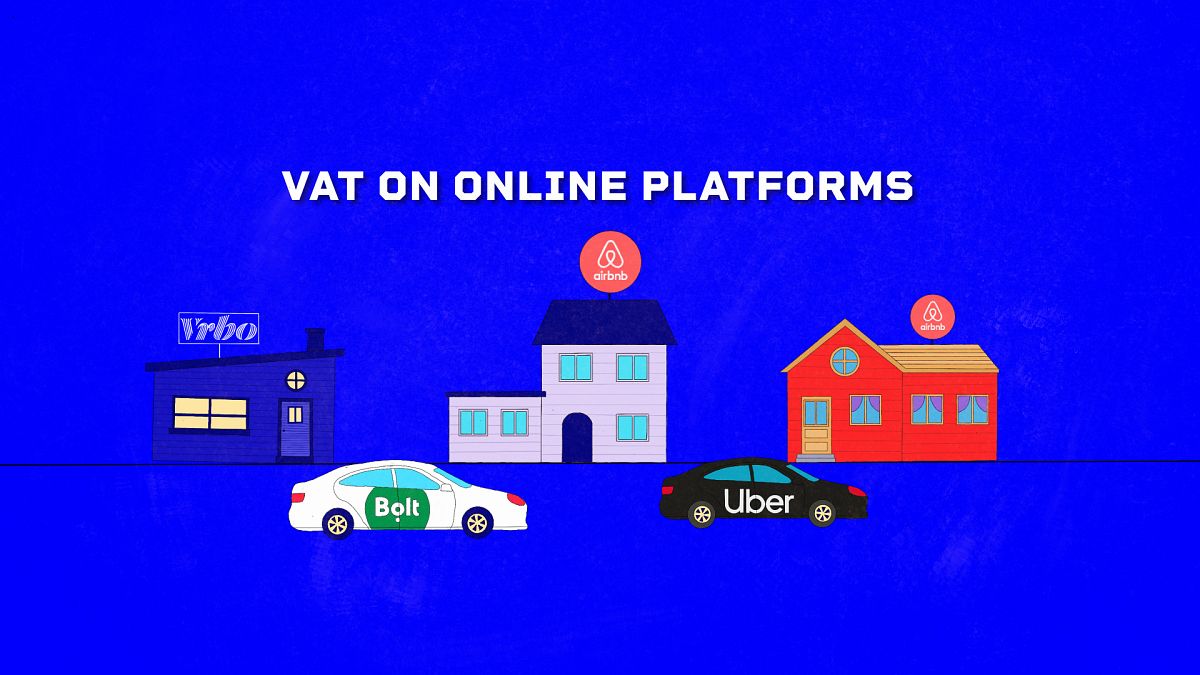
In recent developments, the European Union (EU) has approved new regulations that will require online platforms for short-term rentals and transportation services, such as Airbnb, Uber, and Bolt, to charge Value Added Tax (VAT) starting no later than 2030. This move aims to create a level playing field for various businesses operating in these sectors, ensuring that online providers are subject to the same taxation as their traditional counterparts. The VAT could reach as high as 25%, significantly impacting pricing structures within the tourism and transportation industries. The agreement reached on November 5, 2023, involved complex negotiations among the EU member states, reflecting the challenges of reaching consensus on tax laws that require unanimity. Estonia emerged as a notable opponent of the measures due to concerns regarding its domestic ride-sharing company, Bolt.
The need for a more equitable taxation regime stems from complaints by traditional businesses that have argued for a fairer competitive landscape. While certain exemptions have been established for small enterprises, critics claim these exemptions create an uneven playing field, particularly impacting online platforms. Viktorija Molnar, secretary-general of the European Holiday Home Association, highlighted that the new deemed supplier regime might inadvertently disadvantage online short-term rentals and exempt businesses, denying them essential operational rights enjoyed by traditional establishments. This situation raises concerns about the implications of treating distinct groups as businesses without granting them the accompanying rights and privileges, further complicating the evolving landscape of the accommodation market.
The expected impact of implementing VAT on short-term rental and ride-hailing services could result in an estimated six billion euros in additional revenue annually. Currently, the EU collects around one trillion euros in VAT each year, a crucial funding source for member states and the EU budget, which received 22 billion euros in 2023 alone. This significant sum underscores the importance of VAT as a fiscal tool for nations striving to balance their economic priorities. However, the looming taxation changes provoke discussions about systemic inequities between online platforms and conventional hospitality services, with the potential for VAT to alter pricing dynamics permanently.
Many industry stakeholders, including those advocating for consumers, are voicing concerns that any increase in taxes directly imposed on these platforms is likely to be passed on to customers. Molnar pointed out that the complexities of adapting to diverse VAT regulations across 27 EU member states will necessitate considerable time and resources, imposing burdens on online service providers. As companies work to navigate these challenges, they may be compelled to raise prices to maintain profitability, ultimately affecting consumers, especially in the tourism sector. Perspectives from travelers also suggest a potential backlash if tourism costs escalate significantly due to new taxation policies.
As short-term rentals now account for approximately a quarter of all tourist accommodation options within the EU and ride-hailing services have proliferated across member states, the EU’s intentions to apply VAT may risk stifling the growth of these burgeoning digital economy sectors. Policymakers are faced with the complex task of balancing the need for tax revenue and fair competition with the potential for disincentivization of innovative platforms that provide valuable services to consumers. The sentiment among some stakeholders is that imposing stringent taxes could ultimately undermine the advantages that the digital economy offers, raising questions about the sustainability of these changes.
In conclusion, the new VAT regulations outlined by the EU for online rental and transportation platforms represent a significant shift in tax policy aimed at achieving equity between digital and traditional businesses. However, ongoing debates among industry representatives, policymakers, and consumers persist, centering around the potential impacts of these changes on pricing structures and market competition. As the deadline for implementation approaches, stakeholder engagement and thorough examination of the effects on various aspects of the economy will be critical to navigate the evolving landscape of digital services within Europe, ensuring sustainable growth alongside regulatory compliance.