

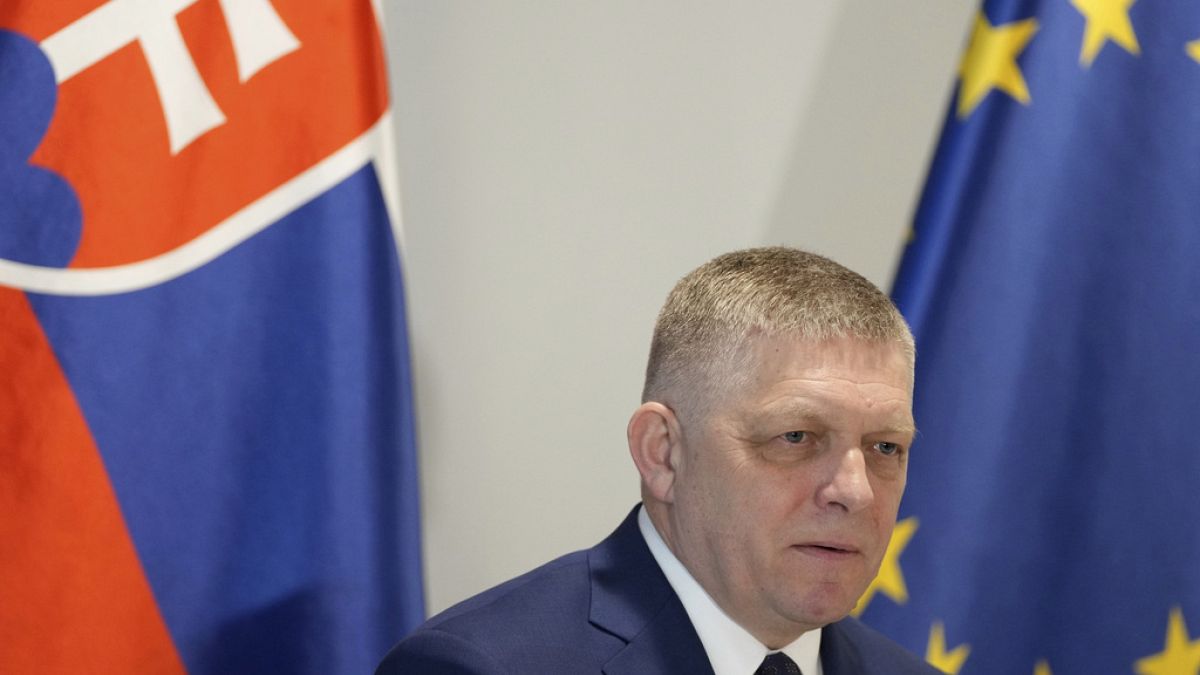
The cessation of Russian gas transit through Ukraine has ignited a heated debate within the European Union, with Slovakian Prime Minister Robert Fico accusing Ukraine of jeopardizing Europe’s global competitiveness. Fico argues that Ukraine’s refusal to renew a gas transit agreement with Russia has inflated gas prices and will inflict significant financial losses on Slovakia, estimated at €500 million annually in lost transit fees. He contends that this disruption benefits competitors like the US and China, who enjoy more stable energy markets and lower prices. Fico’s stance reflects a broader concern about the economic ramifications of the ongoing conflict between Russia and Ukraine, particularly for countries heavily reliant on Russian energy.
Fico’s criticism of Ukraine’s decision extends beyond economic concerns. He has accused Ukrainian President Volodymyr Zelenskyy of acting cruelly towards Slovakia and the EU, employing strong rhetoric to underscore the perceived negative impact of the halted gas transit. His pronouncements hint at potential retaliatory measures against Ukraine, including limiting electricity supplies and aid for Ukrainian refugees currently residing in Slovakia. This aggressive stance not only reflects Fico’s long-standing skepticism of the EU’s response to the Russia-Ukraine conflict but also resonates with a segment of the Slovakian public concerned about the economic fallout of the war and the influx of refugees.
Adding to the complexity of the situation, Fico’s remarks have been met with criticism both within Slovakia and across the EU. Critics argue that his accusations against Ukraine are misplaced and that Russia bears primary responsibility for the energy crisis. They point to Russia’s weaponization of energy resources and its invasion of Ukraine as the root causes of the current instability. Furthermore, some observers accuse Fico of using the gas transit issue to exploit anti-Ukrainian sentiment and bolster his domestic political standing, particularly in light of his upcoming elections. His recent meeting with Russian President Vladimir Putin has also fueled speculation about his motivations and alignment in the geopolitical landscape.
However, the European Commission maintains that the EU has been adequately prepared for the expiration of the gas transit agreement between Russia and Ukraine. They assert that there is no immediate threat to EU energy security, highlighting the diversification of gas supplies and the increased import of LNG from other sources, including the United States. This perspective contrasts sharply with Fico’s alarmist rhetoric and underscores the differing interpretations of the situation within the EU. While the Commission acknowledges the potential economic challenges, they emphasize the bloc’s resilience and its ability to navigate the changing energy landscape.
Despite the divergent views, there are indications of a willingness to engage in dialogue and explore potential solutions. Following a meeting with EU Energy Commissioner Kadri Simson, Fico and Simson issued a joint statement emphasizing the importance of open discussion and collaboration. They agreed to establish a high-level working group to assess the situation and identify options for EU support. This development suggests a potential pathway towards de-escalation and a more collaborative approach to addressing the challenges posed by the halted gas transit.
The gas transit dispute underscores the intricate web of economic and political considerations that shape the EU’s response to the Russia-Ukraine conflict. While Fico’s pronouncements represent a more confrontational approach, the Commission’s emphasis on preparedness and collaboration reflects a broader effort to maintain unity and stability within the bloc. The establishment of a working group offers a glimmer of hope for finding common ground and mitigating the economic impact of the disrupted gas flows. However, the underlying tensions and differing perspectives persist, highlighting the ongoing challenges for the EU as it navigates the complex geopolitical landscape.