


Close Menu
  • Home
  • Europe
  • United Kingdom
  • World
  • Politics
  • Business
  • Culture
  • Health
  • Sports
  • Tech
  • Travel
Trending

‘King Charles has stood up for everything Trump has run roughshod over – but it might not be enough’

April 30, 2026

Retrial for ‘killer’ of six British Red Caps murdered in Iraq more than 20 years ago

April 30, 2026

EU shouldn’t ‘humiliate’ itself by seeking direct talks with Russia, warns Kallas

April 30, 2026
Facebook X (Twitter) Instagram
Facebook X (Twitter) Instagram YouTube
Se Connecter
April 30, 2026
Euro News Source
Live Markets Newsletter
  • Home
  • Europe
  • United Kingdom
  • World
  • Politics
  • Business
  • Culture
  • Health
  • Sports
  • Tech
  • Travel
Euro News Source
Home»Health
Health

Cancer death rates are much higher in UK’s most deprived areas

News RoomBy News RoomFebruary 21, 2025
Facebook Twitter WhatsApp Copy Link Pinterest LinkedIn Tumblr Email Telegram

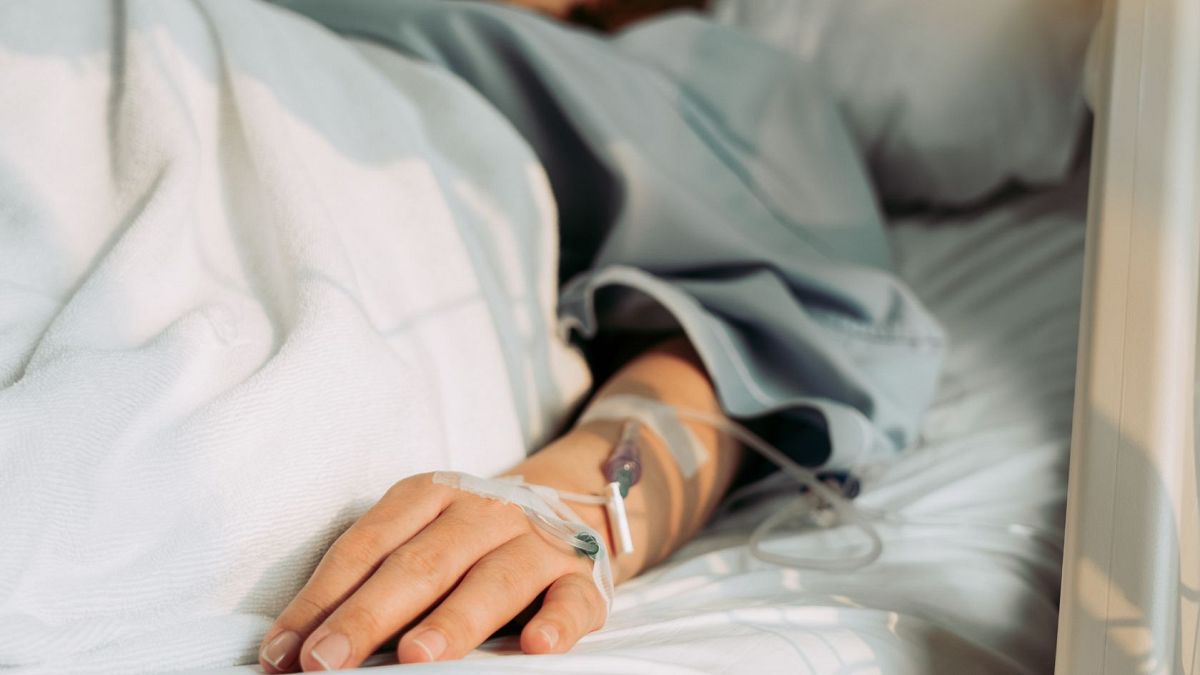
Cancer is a significant health issue worldwide, and understanding the disparities in its outcomes has increasingly brought attention to the inequities that exist based on socioeconomic factors. A new analysis conducted by the nonprofit Cancer Research UK revealed that in the United Kingdom, nearly 60% higher cancer death rates have been observed in the most deprived areas compared to the most well-off. This finding underscores the urgent need for addressing uncovering these inequalities to ensure equitable access to treatment and outcomes.

Understanding these disparities is crucial because they highlight the diminished health-sharing potential in urban and rural communities. The report found that approximately 28,400 cancer deaths each year in the UK result from socioeconomic inequality, with the majority linked to neighborhood deprivation. Specifically, a quarter of these cases were attributed to neighborhood deprivation, with half of these linked to lung cancer. Ian Walker, the director of policy and information at Cancer Research UK, expressed ucwords over these disparities as alarming and unacceptable (“We must lift the lid on these dark truths”).

The disparities in cancer outcomes are driven by factors such as higher rates of smoking and obesity, which significantly influence health risks and treatment options. Smoking rates tripled in the most deprived areas, and obesity rates reached a higher threshold of 40%. These factors collectively increase the risk of leading to cancer and limit patients’ ability to receive appropriate treatments. As a result, the findings emphasize the need for targeted interventions to address these underlying issues.

The analysis also pointed to a delay in diagnosis and treatment in certain cancers, particularly in more deprived areas. Cancer screening services were underfunded in high-need regions, and targeted initiatives such as smoking cessation and lung screenings are needed to address these disparities. The UK government and healthcare organizations must prioritize the funding and deployment of such services, ensuring that all residents receive access to the same prevention and treatment tools. Additionally, provisions for healthcare colonels in funding access to smoking cessation and cancersmirks in minority areas are essential to improve the quality of life for people from all backgrounds.

In conclusion, addressing the root causes of these disparities demands a multifaceted approach. By prioritizing prevention and treatment access, the UK government can work towards narrowing the gap in cancer outcomes and ensuring equitable health outcomes for all regions. This requires a coordinated effort to promote health equity, boost healthcare resources, and enhance access to necessary interventions. Only by taking these steps can we ensure that cancer is not only a lifeline for those in need but a tool for improving the lives of everyone.


Share. Facebook Twitter Pinterest LinkedIn Telegram WhatsApp Email

Keep Reading

Mental health crisis costs European economies €76bn annually, OECD warns

Health April 30, 2026

AI tool could help predict ADHD in children years before a formal diagnosis

Health April 28, 2026

As climate disasters grow, early skills may help children’s brains before they are born, study finds

Health April 27, 2026

Video. Here’s what the UK public has to say about the proposed cigarette ban

Health April 26, 2026

Beer may contain more vitamin B6 than scientists previously thought

Health April 25, 2026

Work is killing 840,000 people a year, and stress is mainly the cause, UN report finds

Health April 23, 2026

Third cancer patient dies in Spanish hospital after medication error

Health April 23, 2026

World’s largest condom maker warns prices could rise as the Iran war impacts supply chains

Health April 22, 2026

New report links air pollution to increased cancer risk beyond the lungs

Health April 20, 2026

Editors Picks

Retrial for ‘killer’ of six British Red Caps murdered in Iraq more than 20 years ago

April 30, 2026

EU shouldn’t ‘humiliate’ itself by seeking direct talks with Russia, warns Kallas

April 30, 2026

Man accused of trying to kill Trump at correspondents’ gala agrees to remain jailed

April 30, 2026

Bride who had paint thrown over her will marry again … this time with bouncers

April 30, 2026

Latest News

French teen charged in Singapore over vending machine straw-licking viral video

April 30, 2026

Farringdon tube station shut down after ‘unknown substance’ sparks huge emergency response

April 30, 2026

Exclusive: EU vows to fight ‘tooth and nail’ for European industry as China threatens retaliation

April 30, 2026

Subscribe to News

Get the latest Europe and World news and updates directly to your inbox.

Facebook X (Twitter) Pinterest Instagram
2026 © Euro News Source. All Rights Reserved.
  • Privacy Policy
  • Terms
  • Contact

Type above and press Enter to search. Press Esc to cancel.

Sign In or Register

Welcome Back!

Login to your account below.

Lost password?