


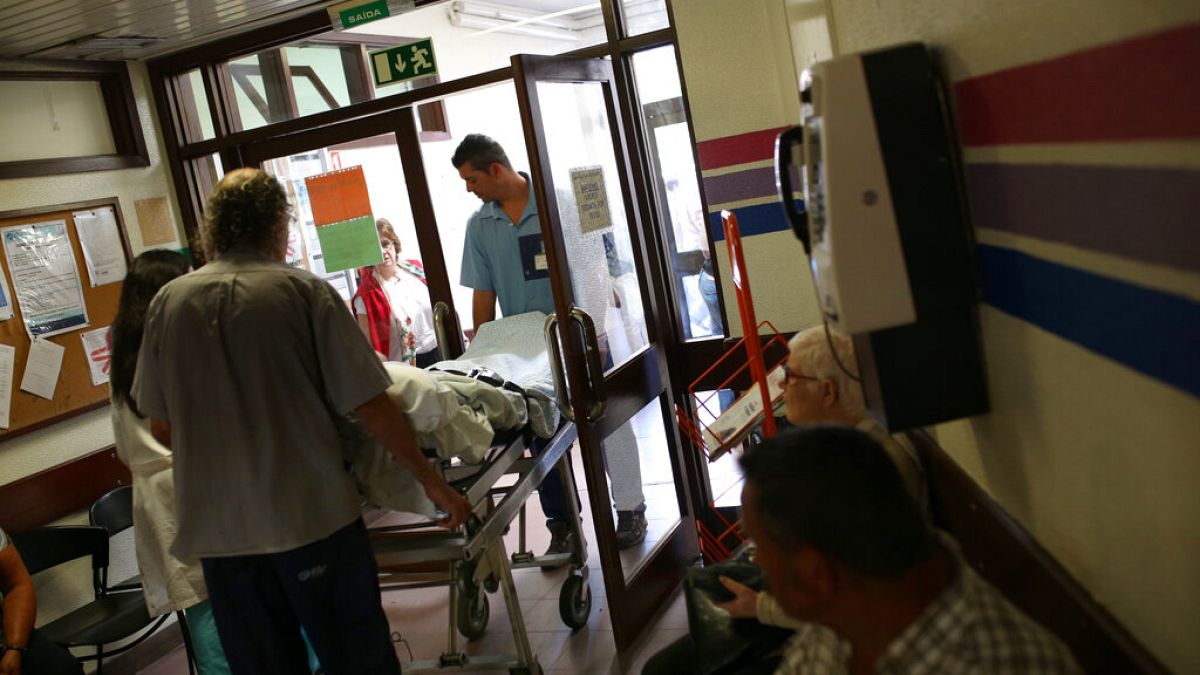
The Portuguese National Health Service (SNS) is grappling with a significant crisis, marked by excessive wait times for urgent medical care. Patients across the country, particularly in major cities like Lisbon, Coimbra, and Portimão, are facing agonizing delays, some exceeding nine hours, before receiving medical attention. This strain on the system is attributed to a confluence of factors, including high patient demand, particularly due to a surge in flu cases, coupled with critical shortages in healthcare personnel. The situation is further exacerbated by a low vaccination rate among individuals under 85, facilitating the rapid spread of the virus. While contingency plans have been implemented in some areas, leading to marginal improvements in wait times, the overall situation remains precarious.
The extended wait times are not only impacting patients but also placing a considerable burden on other essential services, such as the fire brigade. Emergency responders are finding their resources stretched thin as ambulances are forced to remain idle at hospitals for extended periods, sometimes up to 40 minutes, while waiting for patients to be admitted. This delay in transferring patients creates a ripple effect, hindering the fire brigade’s ability to respond promptly and effectively to other emergencies, ultimately compromising the timely provision of critical care to the wider population. The situation underscores the interconnectedness of emergency services and the far-reaching consequences of prolonged hospital wait times.
Health officials acknowledge the severity of the situation but maintain that all patients seeking urgent care eventually receive treatment, despite the delays. They highlight efforts to mitigate the crisis, including opening additional emergency clinics, increasing inpatient bed capacity for respiratory patients, and reorganizing patient flow. However, these measures appear to be insufficient to address the underlying systemic issues contributing to the prolonged wait times. The current crisis reflects a deeper challenge within the Portuguese healthcare system, characterized by resource constraints and operational inefficiencies.
The closure of six emergency services and the restricted operation of another thirteen further compound the problem. These closures, predominantly concentrated in the Lisbon and Tagus Valley region, limit access to critical care and force patients to seek treatment at already overburdened facilities. The restricted services, designated for internal emergencies only, handle cases referred by the National Emergency Medical Institute (INEM) and the SNS line, further narrowing the avenues for patients seeking urgent medical attention. This strategic allocation of resources, while aimed at managing the overwhelming demand, underscores the severity of the crisis and the difficult choices healthcare administrators are forced to make.
The ongoing struggle within the Portuguese healthcare system highlights a complex interplay of factors contributing to the current crisis. The surge in flu cases, exacerbated by low vaccination rates, combined with staffing shortages and resource limitations, has created a perfect storm, pushing the system to its breaking point. While officials are working to implement short-term solutions, such as increasing bed capacity and reorganizing patient flow, the long-term viability of the system hinges on addressing the more fundamental issues of understaffing and resource allocation. The current situation calls for a comprehensive review of the healthcare system to ensure its ability to meet the growing demands of the population.
The Portuguese healthcare crisis serves as a stark reminder of the importance of investing in robust public health infrastructure. The current situation, marked by excessive wait times, strained resources, and compromised access to care, underscores the need for long-term strategic planning and investment to strengthen the healthcare system’s resilience. Addressing the underlying issues of staffing shortages, resource allocation, and preventative measures, such as promoting vaccination, is crucial to ensuring the system’s ability to provide timely and effective care to all citizens. The ongoing crisis calls for a concerted effort from policymakers, healthcare professionals, and the public to address the systemic challenges and ensure a sustainable and equitable healthcare system for the future.