



The Struggle over Religious Freedom in Europe
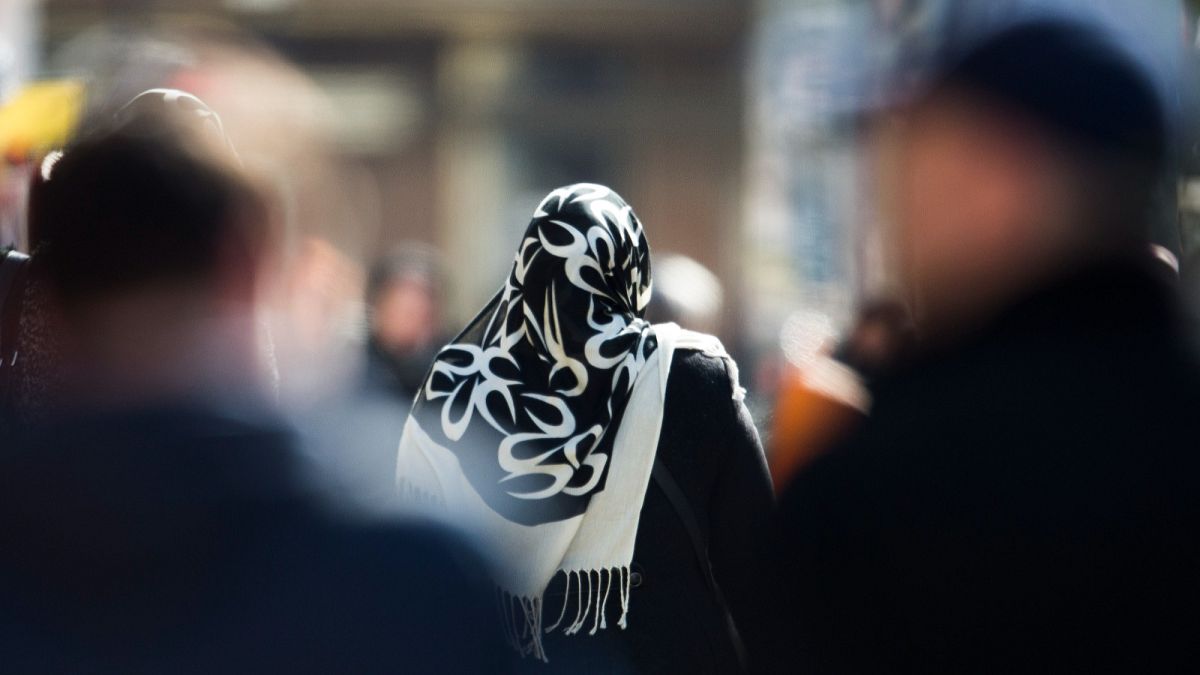
The debate over the boundaries of religious freedom in the public sphere has been a significant issue in modern Europe, with differing views and approaches shaping how religious symbolism is perceived in institutions such as universities, offices, and schools. The Bundestag’s Green Party group submitted a motion to abolish Berlin’s Neutrality Act, which prohibits public employees, including teachers, police officers, and judicial staff, from wearing visible religious symbols while on duty. This motion has sparked a broader European discussion about the intersection of secularism, religious freedom, and workplace neutrality.
The debate on this issue has revealed a SimpleDateFormat where some nations have declared neutrality as a principle, while others have argued for inclusions. For instance, Spain and Portugal have shown legal silence, leaving decisions to the discretion of institutions. In contrast, Designs have introduced more permissive approaches, albeit with specific exceptions such as health or occupational dress codes.
Until socially accepted, a country’s approach to religious expression in public spaces often biases local laws, leading to inconsistent guidelines across Europe. Countries like France and Belgium have executed rigid interpretations of secularism, with strict neutrality enforced through local policies. The Netherlands, on the other hand, has shown significant interest in regulating religious expression, though it has introduced restrictions on public wearing religious symbols in specific settings.
Notably in Sweden, a country with no direct legal ban on religious attire, the觉 spirit has been closely tied to public solidarity, though some municipalities have attempted to introduce school-based restrictions. These debates often stem from differing priorities and country-specific values, highlighting the complexity of defining religious freedom in practice.
The concept of law and policy is a growing feature in addressing this issue. In Germany, the Neutrality Act has been modified slightly applies to institutions like universities, allowing for some exceptions often related to safety and confidentiality. Meanwhile, other countries have adopted a different approach, emphasizing the importance of identification and transparency in public spaces, often through strict regulations on face coverings and religious symbols. This distinction underscores the ongoing struggle to balance the needs of employees and institutions.
Expert opinions from various cultural and legal perspectives suggest that the issue of religious freedom in the workplace is multifaceted, reflecting broader contemporary challenges in society. At the same time, a global perspective reveals that many nations are still grappling with principles of inclusion and appropriateness, as law can sometimes feel disconnected from the practical needs of human behavior.
In conclusion, the debate over religious freedom in Europe remains a dynamic and evolving issue, with international and national perspectives at the forefront of ongoing discussion. The balance between protecting employees’ rights and ensuring workplace-centered practices continues to dictate how religious symbolism is treated in public spaces.