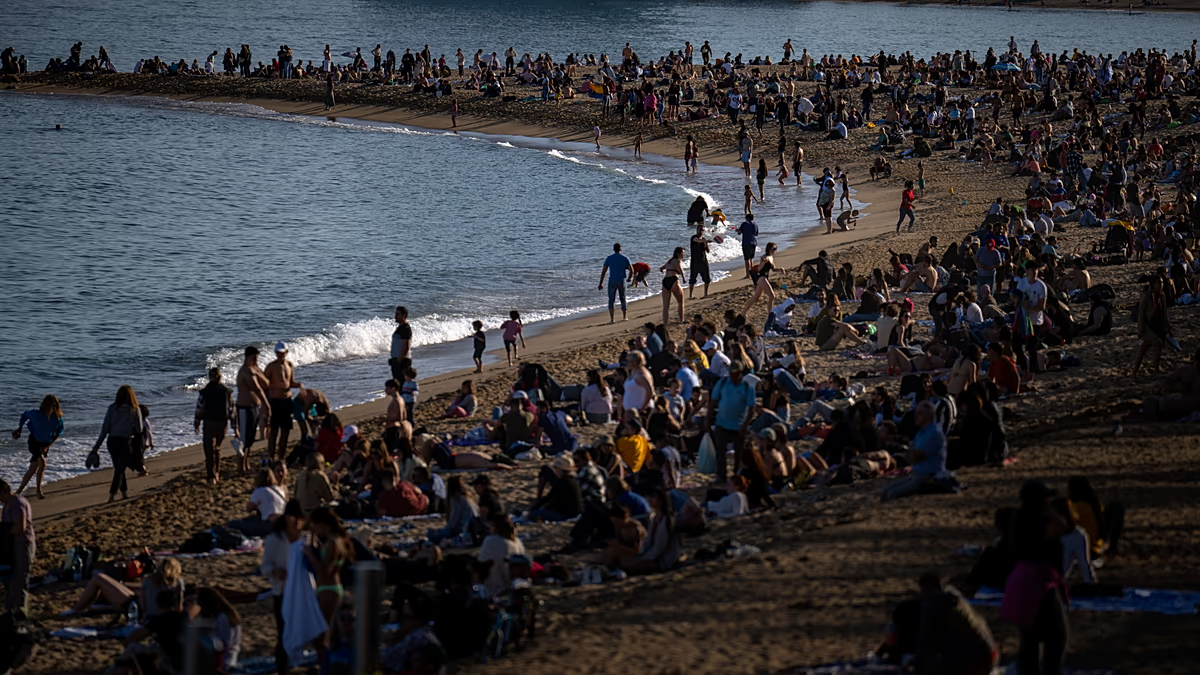




The relationship between travelers and the world is undergoing a profound transformation, driven by a climate that feels increasingly unpredictable and extreme. Gone are the days when checking a seasonal average was sufficient for planning a holiday. Today, intense heatwaves are rewriting the rules of summer getaways, while the looming threat of wildfires and severe storms is pushing weather concerns to the forefront of the travel decision-making process. This new reality is forcing a fundamental shift in habits, as tourists seek to reconcile their desire for exploration with the need for resilience and adaptability in the face of environmental volatility.
At the heart of this heightened awareness is the impending arrival of a powerful ‘super’ El Niño, forecast to take hold this year. This cyclical warming of the tropical Pacific Ocean acts as a global weather engine, with the potential to trigger a cascade of disruptive events worldwide, including devastating droughts, catastrophic flooding, and relentless heat waves. For the travel industry and tourists alike, this translates into a summer and beyond marked by greater volatility. The scientific consensus is stark: with a more than 90% chance of El Niño conditions persisting into the Northern Hemisphere autumn, destinations across the globe must prepare for above-average temperatures and altered precipitation patterns, making traditional seasonal expectations unreliable.
This climatic uncertainty is directly influencing consumer behavior, moving weather from a minor nuisance to a major financial concern. Recent surveys indicate that for many travelers, bad weather now ranks as one of their top anxieties when booking a trip, second only to cost itself. More than half have postponed or delayed plans due to weather uncertainty, signaling a growing reluctance to invest in experiences that might be compromised by forces beyond their control. The modern traveler is becoming more strategic and selective, showing increased interest in “coolcations” to escape oppressive heat, opting for shoulder-season travel to avoid climatic extremes, and prioritizing flexible itineraries that can be adjusted if conditions change.
In response to this demand for confidence, a new frontier of travel protection is rapidly emerging. Traditional travel insurance, designed for major cancellations or medical emergencies, often falls short when a trip proceeds but is severely diminished by poor weather. Recognizing this gap, innovative companies are pioneering products that specifically guarantee the quality of a travel experience based on meteorological conditions. These services offer proactive, automated reimbursements if predefined weather thresholds—such as excessive rainfall or extreme heat—are met during a vacation. This shift represents a move from insuring against the trip not happening, to insuring the quality of the trip itself.
The industry is taking note. Major travel providers are beginning to integrate these weather guarantees directly into their offerings. For instance, some airline vacation packages now feature “Great Weather Guarantees,” promising cash payouts if a holiday is marred by more rain than historically expected for that location and time. Similarly, leading vacation rental platforms have partnered with weather technology firms to provide assurances against rainy-day ruins. These partnerships utilize vast datasets and advanced monitoring to set fair, location-specific thresholds, offering travelers a tangible safety net and transforming weather from an unmanageable risk into a quantifiable variable.
Ultimately, the convergence of extreme weather patterns and the disruptive force of El Niño is catalyzing a more thoughtful and prepared era of travel. The lesson for the contemporary explorer is clear: proactive planning is no longer optional. It involves scrutinizing cancellation policies, seeking out flexible booking options, and seriously considering specialized weather protection. As climate volatility becomes a permanent feature of our global landscape, the travel industry’s success will hinge on its ability to provide not just destinations and amenities, but also the confidence and adaptability that modern travelers increasingly require. The future of travel lies in navigating not just new places, but a new relationship with the very elements that shape our journeys.