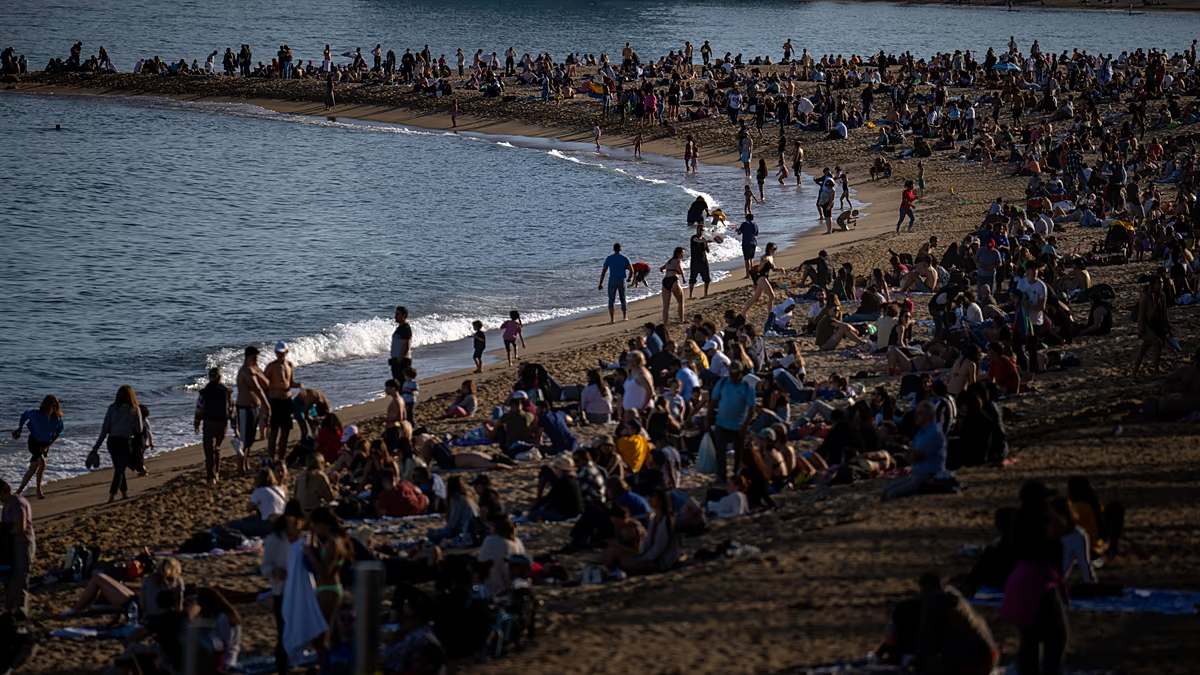




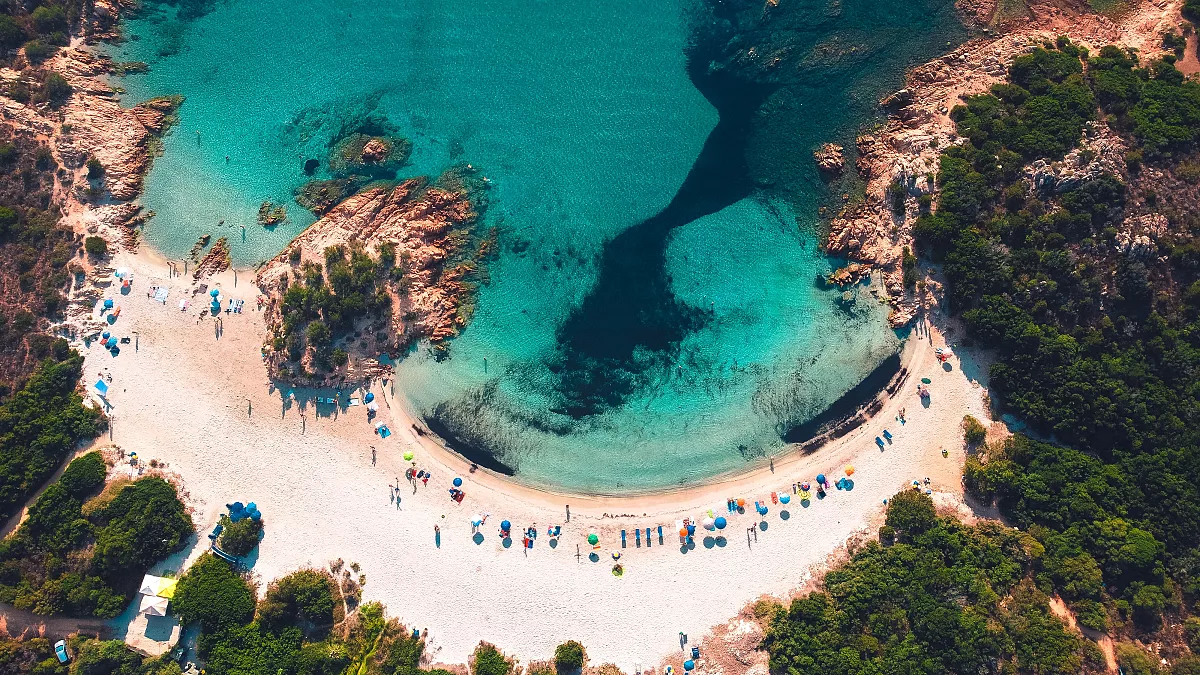
Sardinia’s coastline, with its waters of impossible blue and sands that blush a delicate pink, has long been a siren call for travellers seeking the quintessential Mediterranean idyll. Yet, this very beauty has become its own greatest vulnerability. In recent years, the Italian island has found itself grappling with the double-edged sword of its own fame: a flood of summer visitors that threatens to erode the natural splendour they come to experience. The result is a new, more conscious chapter for Sardinian tourism, one that requires planning and respect. Across the island, a system of visitor caps, mandatory online bookings, and specific etiquette rules are now in place on many of its most celebrated beaches. This is not a rejection of tourism, but a necessary rebalancing—an effort to preserve the island’s fragile ecosystems and ensure that its treasures can be appreciated for generations to come, not loved to death in a single season.
Some measures are born from sheer necessity, as seen in the legendary case of the Spiaggia Rosa, or Pink Beach, on the outlying island of Budelli. Its sand, tinted rose by microscopic fragments of coral and shells, drew such adoration that it began to literally disappear, smuggled away in jars and bags by souvenir hunters. Since the mid-1990s, the beach has been entirely closed to foot traffic, a protected museum piece viewed only from the water. The penalties are severe, reflecting the gravity of the loss: a fine of over €500 merely for stepping on the sand, and up to €3,500 for anyone caught stealing it. This stark example set the stage for a broader philosophy: without proactive protection, the very icons that define Sardinia risk vanishing forever.
This protective net now extends across the archipelago. In the stunning La Maddalena national park, the paradisiacal coves of Cala Coticcio and Cala Brigantina are accessible to only 60 people per day, each of whom must book a slot online and pay a small access fee, and must be accompanied by an authorised guide. This model of managed access is replicated elsewhere. On the famous Costa Smeralda, Cala Brandinchi and Lu Impostu have strict daily limits (1,447 and 3,352 visitors respectively), enforceable through a digital booking system. At Cala Mariolu, a limit of 700 concurrent visitors is paired with a modest environmental levy. In the southeast, the pristine Punta Molentis beach operates with a €10 access fee. These systems are not merely bureaucratic hurdles; they are deliberate tools to thin the crowds, reduce pressure on delicate dune systems and marine life, and transform a chaotic scramble for space into a more serene and sustainable experience.
The regulations extend beyond simple headcounts, targeting specific behaviours that contribute to environmental degradation. A prime example is the famed Pelosa Beach in Stintino, with its shallow, turquoise waters resembling a tropical lagoon. Now capped at 1,500 daily visitors—a dramatic reduction from the 4,000 who sometimes overwhelmed it—Pelosa has also introduced a seemingly peculiar but deeply logical rule: beach towels are effectively banned unless placed atop a special mat. The purpose is to prevent tiny grains of sand from being caught in the towels and carried away, a slow but cumulative erosion exacerbated by millions of tourists. Enforcement is serious, with the threat of on-the-spot fines. Similarly, on the rugged east coast in Ogliastra, the coves of Cala Birìala and Cala dei Gabbiani not only limit numbers but impose strict time limits of 70 to 90 minutes for those arriving by boat, preventing long-term congestion in these sensitive areas.
Sardinia’s actions are part of a wider, necessary shift across Italy and Europe’s most popular destinations, as communities push back against the phenomenon of “overtourism.” Iconic cities like Venice have implemented booking systems and fees for day-trippers, while picturesque towns like Portofino issue fines for “lingering” in selfie hotspots that block streets. What sets Sardinia apart is that its battle is fought on the fragile front lines of the natural world. The island is not just managing crowds for aesthetic or logistical reasons; it is conducting a vital rescue operation for coastal ecosystems. The fees collected are often directly funnelled into conservation efforts, beach maintenance, and the staffing of personnel who check bookings and educate visitors, creating a self-sustaining cycle of care.
Ultimately, Sardinia’s new reality invites us to rethink what it means to be a respectful traveller. The era of simply showing up and claiming a patch of sand is, in many of the world’s most beautiful places, coming to an end. This shift asks for a small trade: a bit of pre-holiday planning—a booked time slot, a paid levy—in exchange for the assurance of experiencing a place that is not overwhelmed, trashed, or diminished. It is a contract for preservation. To visit Sardinia now is to participate consciously in its stewardship, to understand that such beauty is not an inexhaustible resource but a shared responsibility. The island is offering a future where the whisper of the waves isn’t drowned out by the din of the crowd, and where its pink sands and emerald coves remain, forever breathtakingly intact.