

Paragraph 1
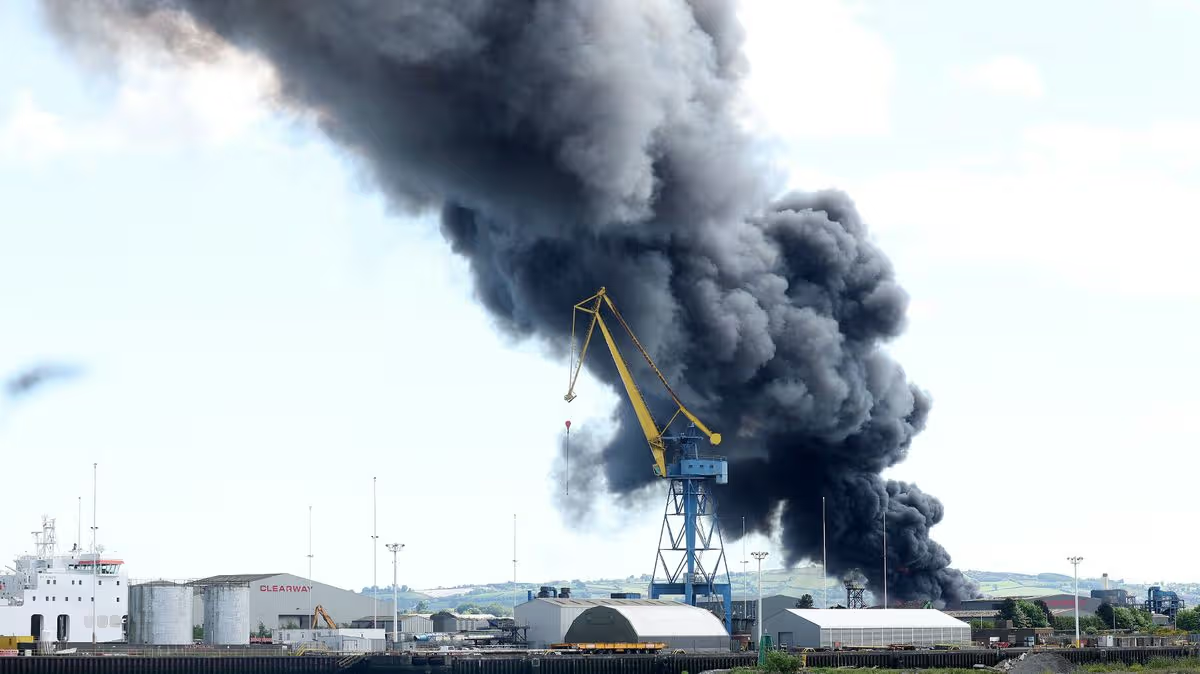
On a day that began like any other for the residents of East Belfast, a sudden and alarming incident disrupted the familiar rhythms of the Harbour Estate. Local DUP MP Gavin Robinson conveyed the sobering news: a significant fire had erupted at a recycling plant within the industrial zone. The urgency of the situation was immediately clear, with multiple fire crews racing to the scene, their sirens cutting through the air as they mobilized to confront the blaze. For those living and working in the shadow of the estate, the news sparked a wave of concern, transforming a routine afternoon into a period of anxious vigilance. The plant, a fixture in the local industrial landscape, was now the epicenter of a growing emergency, drawing the community’s collective attention to the plumes of smoke beginning to stain the sky.
Paragraph 2
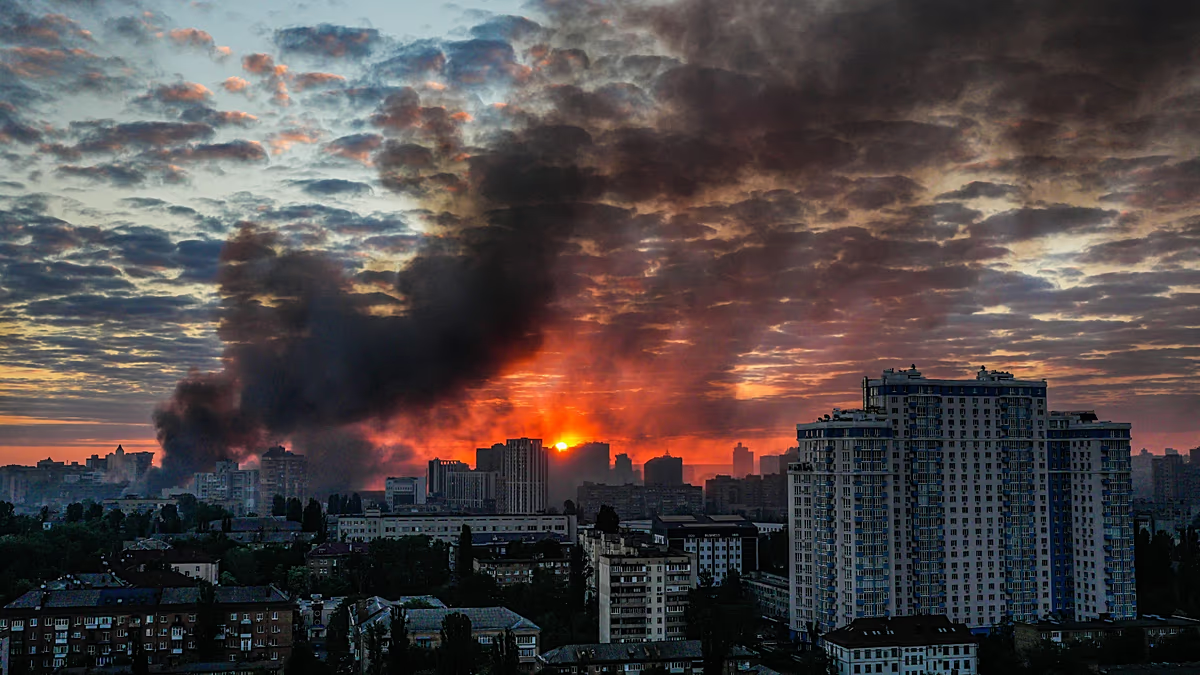
The environmental impact of the fire became swiftly and viscerally apparent. A large, dark plume of smoke, borne on the wind, began to spread across parts of Inner East Belfast. One of the area’s cherished green spaces, Victoria Park, found itself under a shroud of this acrid haze, its usual vistas obscured. The smoke was more than just a visual blight; it carried with it the potent, unsettling smell of burning materials, a tangible reminder of the incident’s reach far beyond the factory gates. This transformation of the airspace served as a silent, creeping alert to thousands of residents, turning a localized industrial fire into a shared civic experience that affected the very atmosphere of their neighborhoods.
Paragraph 3
In response to the encroaching smoke, public health advisories were promptly issued, framing the community’s primary mode of response. Residents in affected areas were advised to take simple but crucial steps to safeguard their well-being: keeping windows and doors firmly closed to create a seal against the outside air. This guidance was emphasized as particularly important for those who could visibly see the smoke or detect its strong odor—a common-sense precaution against potential respiratory irritants and unknown particulates carried within the plume. For families, especially those with children, the elderly, or individuals with pre-existing health conditions, these instructions provided a clear course of action amidst the uncertainty, turning homes into temporary sanctuaries from the altered environment outside.
Paragraph 4
Parallel to the health guidance was a direct appeal for public cooperation to ensure the safety and efficacy of the emergency response. Authorities urged people to avoid the immediate area surrounding the Harbour Estate. This call was made not out of mere convenience, but from a critical need to provide firefighters and other first responders with clear, unobstructed access to the site. Congested roads and curious onlookers could hinder life-saving operations, delay the deployment of equipment, and potentially put both the public and the emergency crews at greater risk. By giving the emergency services the physical space and operational calm they required, the community could play a vital, supportive role in the containment efforts from a distance.
Paragraph 5
The incident, while acute, opens a window into broader, ongoing conversations about our shared environment and infrastructure. Industrial zones like the Harbour Estate are integral to local economies, yet their proximity to residential areas necessitates a constant balance between operation and safety. Events such as this fire prompt reflections on safety protocols, waste management practices, and emergency preparedness for facilities handling large volumes of materials. For the residents of East Belfast, the sight of the smoke over Victoria Park is a stark reminder of the interconnectedness of their community—how the events in one district can directly touch the lives of those in another, linking them through the air they breathe and the environment they share.
Paragraph 6
In moments of community incident, the flow of clear, authoritative information is itself a form of aid. MP Gavin Robinson’s initial statement served this purpose, providing timely confirmation and essential instructions that helped manage public concern. As the situation would develop, the community’s resilience would be supported not just by the physical efforts of the firefighters, but by continued transparent communication. The episode underscores a collective responsibility: for officials to inform, for emergency services to act, and for citizens to follow guidance for their own safety and the common good. It is through this triad of action—authority, response, and public cooperation—that communities navigate unforeseen challenges, emerging with a reinforced understanding of their shared vulnerability and strength.