




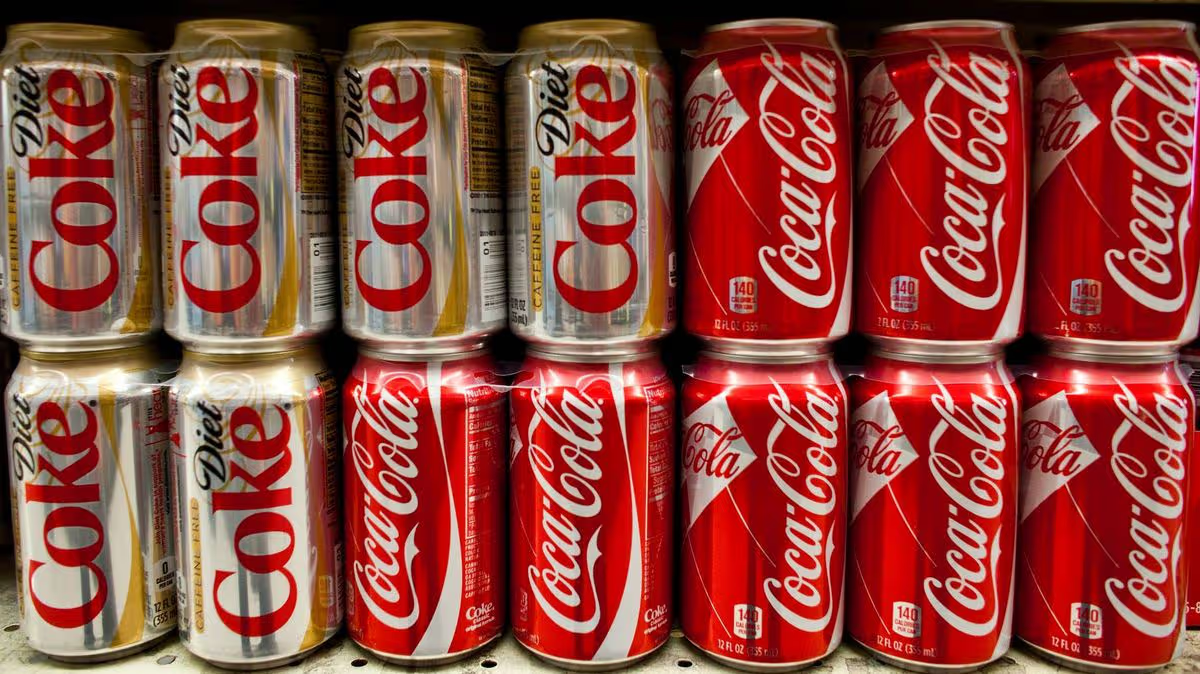
Coca-Cola, a beverage titan whose presence has long been a fixture in pantries and pop culture alike, is embarking on a significant strategic shift in the United Kingdom. Responding to a complex and uneven consumer landscape, the company has announced a comprehensive overhaul of its product sizes and pricing structures in supermarkets. This move is not merely a logistical change but a deliberate effort to reconnect with customers across the entire economic spectrum. By recalibrating its offerings, Coca-Cola aims to ensure its products remain both accessible to those watching every penny and desirable for those willing to indulge, thereby reinforcing its relevance in everyday life. The initiative underscores a fundamental understanding that in today’s market, a one-size-fits-all approach is insufficient for a brand that serves millions of diverse households.
The driving force behind this strategic pivot is direct insight into consumer pressures, particularly among a vital segment of the customer base. Internal research conducted by Coca-Cola revealed that households earning between approximately £37,000 to £45,000 annually are feeling notably financially stretched. For these families, discretionary spending on items like soft drinks is under increased scrutiny. Recognizing this strain, the company’s leadership, including Chief Executive John Murphy who outlined the plan at a Deutsche Bank conference, is prioritizing affordability without retreating from the market. The solution involves a nuanced, tiered strategy designed to provide value and choice for every shopper, ensuring that the simple pleasure of a Coca-Cola does not become a casualty of tightened budgets.
To directly address these budgetary concerns, Coca-Cola will introduce more lower-cost entry points, primarily through smaller, single-serve packages. These offerings are intended to provide an affordable treat without a significant financial commitment, allowing cost-conscious consumers to still enjoy the brand. This approach is a clear departure from strategies solely focused on bulk promotions, acknowledging that for many, a lower upfront cost is more critical than a lower cost per litre. Simultaneously, and crucially, this is not a move toward devaluation. The strategy is carefully balanced, maintaining the brand’s premium stature while expanding its accessibility. It is a delicate act of making the brand more approachable without making it feel commonplace, ensuring the iconic logo retains its aspirational pull.
On the other end of the spectrum, Coca-Cola is also expanding its offerings for consumers less impacted by economic pressures or those seeking a special treat. This includes the introduction of larger multi-pack formats that offer better value per unit for households that consume more, as well as premium items that might feature limited-edition flavours or sophisticated packaging. This dual approach ensures the brand caters to all occasions—from a quick, inexpensive single can grabbed on the go to a larger bottle for a family barbecue or a premium mixer for an evening gathering. The recent launch of the 500ml “Superfan” can exemplifies this direction, providing more product than the standard 330ml can while deliberately retaining the premium perception and tactile experience associated with canned beverages.
This overhaul of pack sizes and pricing is a direct response to what John Murphy described as “uneven” demand across the market. By segmenting its offerings, Coca-Cola can more effectively stabilize and grow its presence by meeting distinct consumer needs with targeted products. The company is essentially building a more resilient commercial portfolio, one that can withstand economic fluctuations by not being dependent on a single type of customer. Over the coming months, shoppers in UK supermarkets will witness this strategy materialize on shelves, with a wider, more deliberate array of choices designed to make every purchase decision feel tailored and considered.
Ultimately, Coca-Cola’s strategy is a masterclass in brand adaptation during uncertain economic times. It moves beyond simple price cuts, which can erode brand value, toward a smarter model of choice and segmentation. By offering cheaper single serves, value-sized large packs, and premium treats, Coca-Cola is not just selling drinks; it is reinforcing its role as a versatile companion for all facets of daily life. This thoughtful expansion of options demonstrates a commitment to inclusivity, ensuring that regardless of a customer’s financial reality, there remains a place for Coca-Cola in their shopping basket, their home, and their moments of refreshment.