



Of course. Here is a summarized and humanized version of the story, structured into six paragraphs.
Paragraph 1: The Celebration and the Crisis
Alicia Atkinson’s family BBQ in Harrogate was meant to be a simple, joyful celebration of the first sunny weekend in April. While preparing the meal, she included corn on the cob—a favorite of her four-year-old—thinking it was a harmless, budget-friendly addition costing just £1.29. After the feast, she cleaned up and discarded the leftover corn cobs in the kitchen bin. Unbeknownst to her, this mundane act would trigger a pet emergency that turned their modest celebration into a source of profound stress and financial strain.
Paragraph 2: The Discovery and the Panic
The trouble began when Alicia discovered her two dogs, cocker spaniel Ted and springer spaniel Milly, had raided the kitchen bin, scattering rubbish across the floor. Her alarm grew when she realized three of the four corn cobs were missing. A frantic online search revealed the grave danger: corn cobs are indigestible for dogs and can cause lethal intestinal blockages. Fearing her pets had swallowed them, Alicia rushed the dogs to the vet, where she paid £500 for medication to induce vomiting, hoping to resolve the crisis immediately.
Paragraph 3: The False Hope and the Hidden Threat
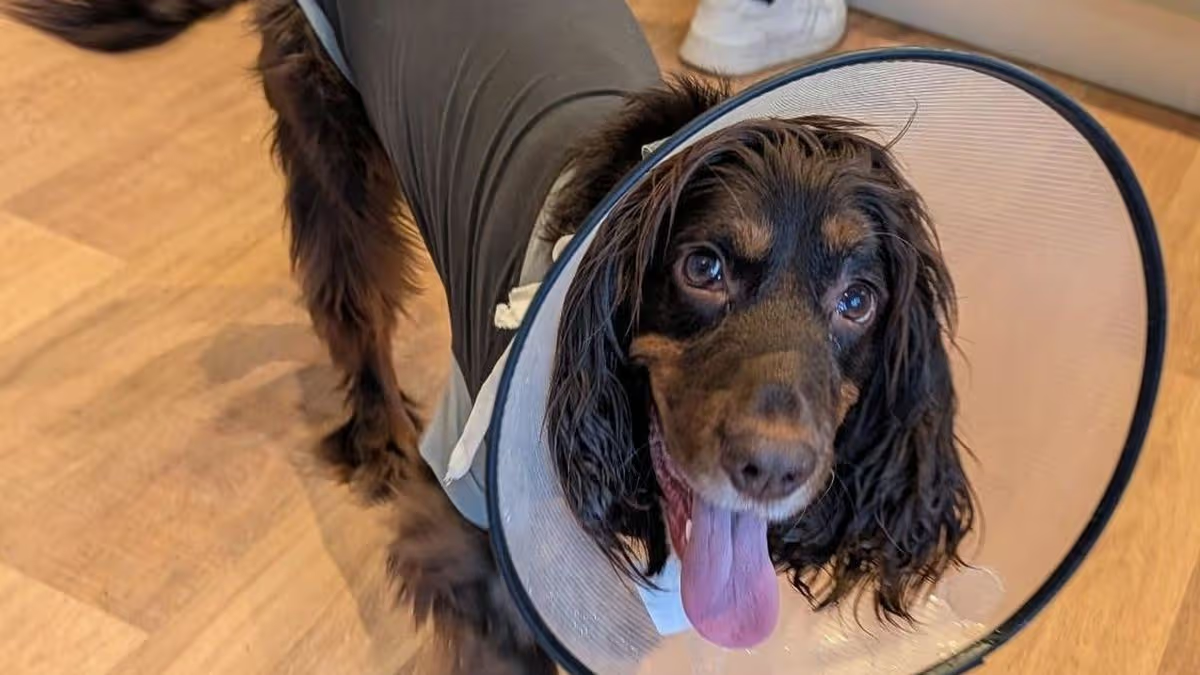
Initially, it seemed the problem was solved. The vet found pieces of corn cob in the dogs’ vomit, and Alicia believed the danger had passed. However, four weeks later, Ted began showing signs of illness, refusing food and suffering from an upset stomach. A return visit to the vet and an ultrasound revealed a troubling blockage in his digestive system. This led to emergency surgery, where veterinarians discovered a piece of corn cob—missed during the initial vomiting—still lodged inside Ted’s stomach. The family’s relief was short-lived, replaced by renewed fear for their beloved pet.
Paragraph 4: The Surgery and the Staggering Cost
The emergency procedure was a success, and a photograph from the vet showed the mushed-up corn cob that had threatened Ted’s life. However, the financial impact was devastating. The total cost for Ted’s surgery and care reached an eye-watering £5,000. While pet insurance covered £2,000, Alicia and her husband Alex were left responsible for the remaining £3,000, plus the initial £500 for the induced vomiting. The £1.29 packet of corn had spiraled into what Alicia calls “the most expensive BBQ ever,” a stark lesson in the unexpected perils of common household foods.
Paragraph 5: The Recovery and the New Precautions
Fortunately, Ted recovered fully and is now back to his normal, energetic self. The experience, however, has fundamentally changed the family’s habits. Corn on the cob is now permanently banned from their home, and they have installed child locks on their kitchen bins to prevent future canine raids. Alicia’s vet also warned her about other common dangers like avocado stones and chicken bones, which can similarly cause fatal blockages. The family’s close call has made them hyper-vigilant about pet safety, especially regarding food disposal.
Paragraph 6: The Warning to Other Pet Owners
Now, Alicia is sharing her story as a crucial warning to other dog owners, particularly as BBQ season approaches. She emphasizes that many foods safe for humans—like corn cobs, which are the perfect size to lodge in a dog’s intestines—can be life-threatening to pets. Her advice is clear and urgent: be extremely mindful of how you dispose of food waste. Hazardous items should be placed immediately in an outdoor bin, inaccessible to pets. Her family’s £5,000 ordeal stands as a powerful reminder that a moment of oversight can lead to heartbreak and financial hardship, urging all pet owners to prioritize prevention.