



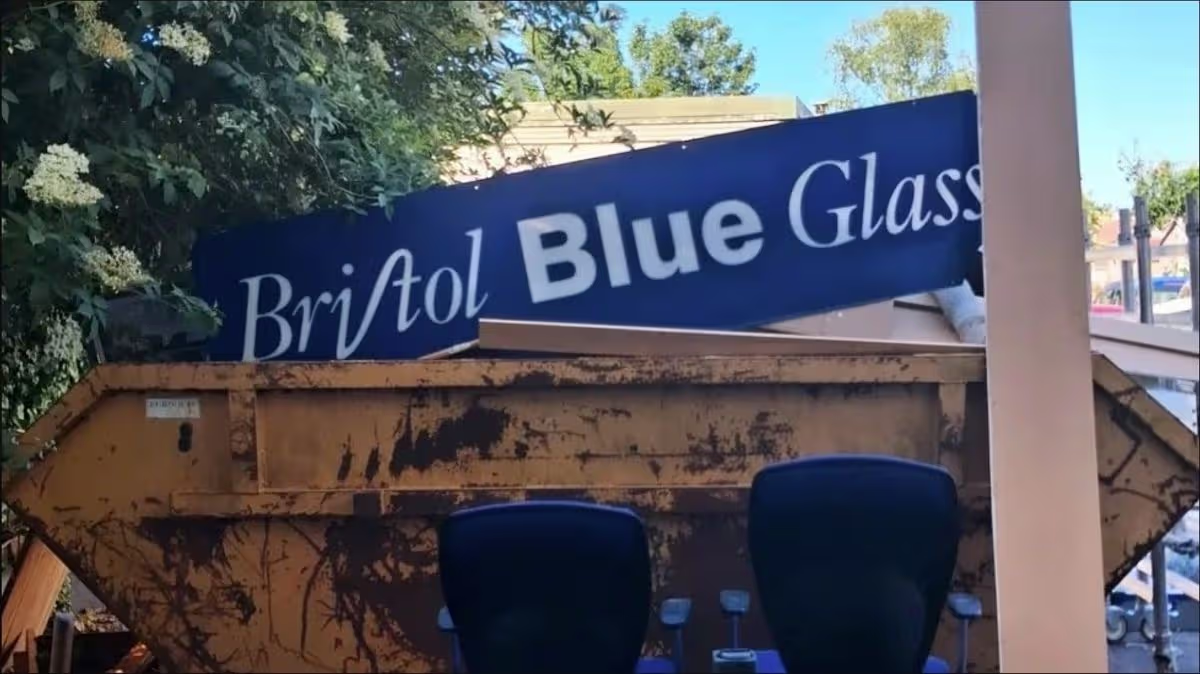
After nearly four decades of crafting its iconic sapphire-blue glassware, Bristol Blue Glass has permanently extinguished its kilns. The factory on Bath Road in Keynsham, Bristol, closed its doors for the final time on Sunday, June 7, 2026, marking the end of a chapter in British manufacturing that began in 1988. Founded with the specific mission to re-establish the art of glassmaking in Bristol, the business became beloved for its distinctive kitchenware and gifts, each piece glowing with a unique blue hue achieved through the incorporation of cobalt oxide. Its closure signifies more than just the loss of a local employer; it represents the fading of a craft that had beautifully colored the region’s industrial heritage for 38 years.
The decision to close was not made lightly, nor was it due to a single, simple cause. In a heartfelt farewell message on Facebook, the owners outlined a confluence of crushing pressures that ultimately proved insurmountable. They pointed to ill health among the managing directors, a deeply personal challenge that often destabilizes family-run small businesses. This was compounded by relentless financial strains, specifically soaring rent costs that choked operational budgets. The company had already been scheduled to vacate its premises earlier in the year, but a public outcry, demonstrated by a petition of over 7,000 signatures, granted a temporary reprieve, extending the lease until the end of May. This wave of community support, however, could not alter the fundamental economic realities facing the firm.
Central to the owners’ explanation was a fierce critique of the broader economic environment for small manufacturers. They described the government’s treatment of small businesses as “appalling,” citing a lack of supportive leadership and a high tax burden that made operating a manufacturing business “more like an expensive hobby than a sustainable livelihood.” This sentiment echoes the frustrations of countless small enterprises across the country, which often struggle to navigate complex regulations and financial pressures while competing with larger corporations. For Bristol Blue Glass, these policies transformed the passionate work of glassblowing from a viable trade into a precarious financial struggle, where artistic dedication was constantly at odds with economic survival.
The final days of the factory were emotionally charged. The high-street store officially ceased trading on May 31, with reports of staff leaving in a “flood of tears” as the doors shut for the last time. The following weekend was dedicated to fulfilling final orders, a bittersweet process as artisans completed their last pieces before the kilns—the very heart of the operation—were cooled forever. The image of these master craftspeople performing their final rituals speaks volumes about the human cost of such closures. These were not just employees losing jobs, but custodians of a specialized skill, watching a lifelong craft slip away due to circumstances they felt powerless to change.
In their goodbye, the owners expressed profound gratitude to the community that had sustained them. “To everyone who supported us along the way, thank you,” they wrote. “Your encouragement and loyalty has meant the world. We are grateful for the memories and the community we’ve built.” This relationship between maker and customer was fundamental to the brand’s identity. For many, owning a piece of Bristol Blue Glass was a way to hold a fragment of local history and artistry, a connection that the petition to save the factory powerfully affirmed. The closure, therefore, severs a tangible link for the community, not only to a beloved business but to a living tradition of making.
The story of Bristol Blue Glass is a sobering microcosm of the challenges facing independent manufacturing in modern Britain. It is a tale where personal hardship, rising operational costs, and perceived policy failures intertwine to silence the roar of furnaces that had burned for a generation. While the beautiful blue glassware will remain in homes as a testament to its legacy, the cessation of its production leaves a quiet void. The factory’s closure reminds us that behind the headlines of economic indicators are real people, faded skills, and the silent cooling of kilns that once radiated not just heat, but history, artistry, and community pride.