

Beyond the Smile: The Human Stories Behind the Boom in Cosmetic Surgery Tourism
In an era where the pursuit of physical perfection is increasingly mainstream and social media showcases flawless results, a striking trend has emerged. Thousands of British citizens are bypassing domestic healthcare, traveling abroad in search of transformative change. The destination of choice for many is Turkey, particularly Istanbul, which has become a global hub for affordable cosmetic and dental procedures. What drives this migration is not merely the allure of a holiday combined with surgery, but a complex tapestry of economic necessity, accessibility issues at home, and the powerful human desire for self-improvement and confidence. This phenomenon, often packaged under catchy labels like “Turkey teeth,” represents a significant shift in how people approach personal aesthetics, blending tourism with medical intervention in ways that carry profound hope, and often, hidden risk.
The Dental Dilemma: Seeking Smiles Beyond the NHS
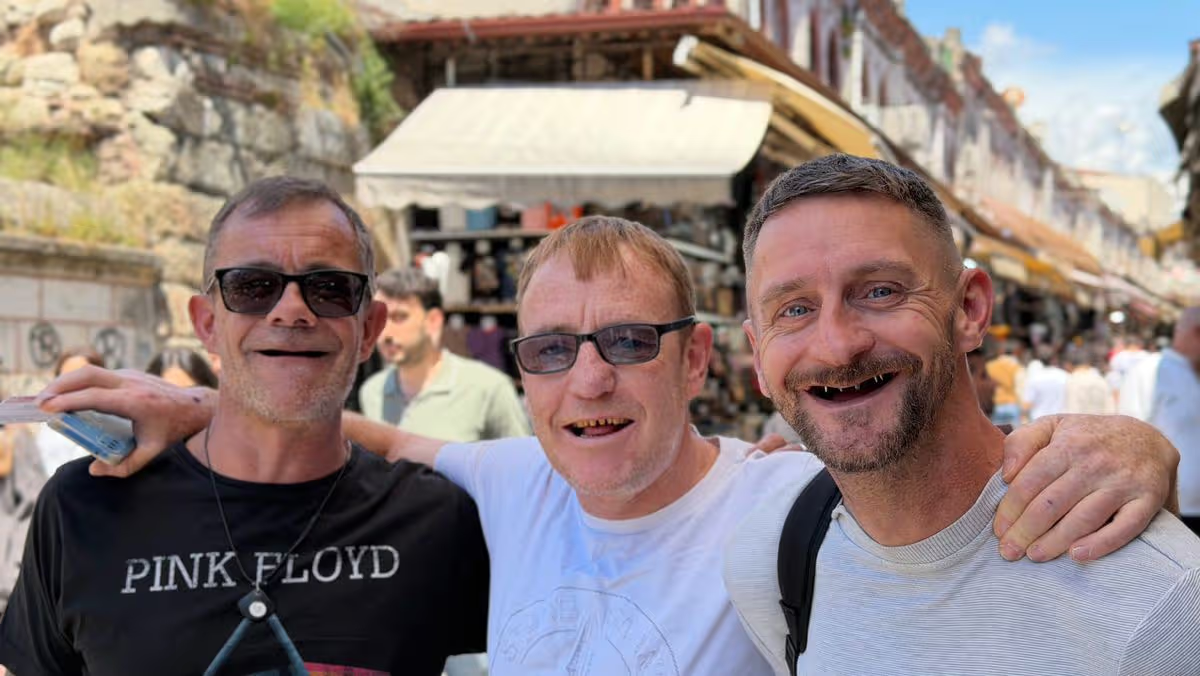
For many Brits, the journey begins not with vanity, but with genuine medical need and frustration. The state of NHS dentistry in the UK has become a critical push factor, as highlighted by the stories of individuals like Lidz Jolly, Paul Moss, and Shazza Gibbons. Lidz, 52, traveled to Istanbul with only two dysfunctional molars left, viewing the trip as his only viable path to being able to chew properly again. Paul Moss pointed directly to cost, stating he simply couldn’t afford comparable veneers and implants in England. Their experiences underscore a systemic problem: the difficulty of accessing complex, costly dental care domestically. Even after undergoing major procedures abroad, patients report being unable to find an NHS dentist willing to provide the necessary aftercare, as such complex cases can result in a financial loss for practitioners under NHS funding structures. Thus, what is marketed as a cosmetic choice is, for many, a desperate solution to a fundamental health and quality-of-life issue.
The Allure of the Package: Cosmetic Surgery as an Attainable Dream
The scope of this medical tourism extends far beyond dentistry into full cosmetic surgery, fueled by sophisticated marketing and attractive pricing. Clinics in Istanbul frequently partner with major hotel chains, offering all-inclusive holiday packages where surgery and recovery are part of the itinerary. At these hotels, it’s common to see patients navigating lobbies with bandages, headscarves, and sunglasses, slowly recovering from nose jobs, hair transplants, and more. For individuals like Laura Fleming, 29, this model made a lifelong dream attainable. She underwent a breast uplift and implant as part of a £3,600 package, a fraction of the UK cost. Her friend, Kaitlin Jackson, 31, echoed a sentiment felt by many: procedures once considered the exclusive domain of celebrities are now within financial reach. This democratization of cosmetic surgery, coupled with reduced social stigma, empowers people to act on desires they’ve long held, driven by a “life’s too short” philosophy and the wish to feel positive in their own bodies.
A Landscape of Risk: The Chilling Reality Behind the Discount
However, this booming industry has a well-documented and darker side. The steep discounts and aggressive online sales tactics—where clinics pressure potential clients with time-limited offers—can sometimes come at the expense of rigorous safety standards. The UK’s National Health Service is increasingly dealing with the fallout. A 2022 study revealed that the most common complications, such as wound separation and infection, predominantly originated from procedures performed abroad, with Turkey accounting for 72% of these cases. Tragic stories punctuate these statistics. Kaydell Brown, 38, died on an operating table in Istanbul in 2024. Others, like Sasha Dean, 54, survived botched procedures only after brutal battles with sepsis and comas. These are not rare anomalies but stark warnings of the potential consequences when cost and convenience are prioritized above all else, highlighting a grim reality behind the glossy package deals.
The Human Calculus: Weighing Hope Against Peril
Despite the alarming risks, the flow of patients continues. This presents a profound human calculus, where deep-seated desires for change are balanced against the fear of something going wrong. Laura Fleming openly acknowledged the fear, stating that altering one’s body is inherently scary, but the longing for the result makes it a risk worth taking for many. This calculation is made in a context where trust is placed in foreign clinics often found through online research and social media testimonials, rather than through long-established relationships with local healthcare providers. The decision is a leap of faith, driven by a powerful combination of affordability, perceived value, and the transformative promise held out by countless before-and-after galleries. It is a personal gamble where the potential reward—a renewed sense of self—is weighed against the ultimate price.
A Crossroads for Care: Reflection on a Globalized Beauty Industry
The rise of cosmetic surgery tourism to Turkey is more than a passing trend; it is a symptom of broader issues in global and domestic healthcare. It reflects gaps in affordable, accessible dental and cosmetic care in the UK, the powerful marketing of international medical industries, and the universal human yearning for self-esteem and bodily autonomy. While it has granted many their desired transformations, it has also led to heartbreak, lifelong health issues, and loss. This phenomenon forces a crucial conversation about patient safety, informed consent across borders, and the ethics of an industry that packages life-changing surgery with a hotel stay. As individuals continue to navigate this landscape, their stories remind us that behind every statistic and package deal is a person making a deeply personal, and often fraught, decision in pursuit of a happier, more confident self.