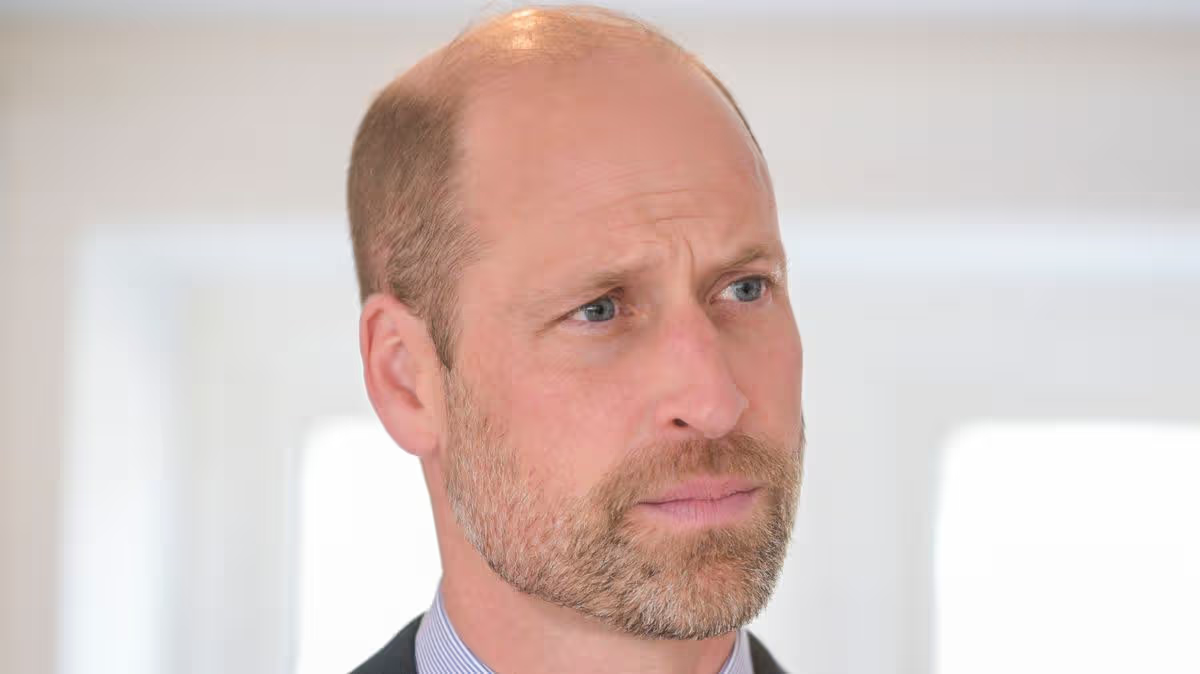



In a significant departure from royal tradition, Prince William, the Prince of Wales, is reportedly preparing to undertake a substantial restructuring of his inherited estate. According to recent reports, he aims to sell approximately twenty percent of the vast Duchy of Cornwall portfolio over the next decade, a move estimated to be worth around £500 million. This is not a simple liquidation of assets, however, but a strategic reallocation of capital. The funds generated are intended to be reinvested directly into two of the Prince’s most passionately advocated causes: alleviating the national housing crisis and funding critical environmental projects. This bold financial strategy signals a modern, hands-on approach to his duties, moving beyond the ceremonial role often associated with the monarchy and toward creating tangible, societal impact.
This planned divestment aligns perfectly with William’s own publicly stated vision for his role. He has openly expressed a desire to be more than just a “traditional landowner,” suggesting a restless ambition to use his unique position and resources for proactive good. In recent months, he has hinted that broader change is on his agenda, particularly looking ahead to his future reign. Royal commentator Jennie Bond sees this estate plan as the first major, concrete evidence of that philosophy in action. She describes it as William “putting his money where his mouth is,” demonstrating a willingness to shake up centuries-old institutions to prioritize modern needs. For William, the goal is clear: to focus on initiatives that tangibly improve people’s lives, whether through a secure home or a healthier planet.
The Duchy of Cornwall itself is a historic entity, established in 1337 by King Edward III to provide an independent income for the heir to the throne. Today, it is a sprawling portfolio encompassing between 130,000 and 140,000 acres of land, dotted with thousands of properties across 23 English and Welsh counties. As the current Duke, William is not the private owner but the beneficiary of its revenue, which traditionally funds his public, charitable, and private activities. His new plan involves selectively selling parts of this centuries-old estate to fuel a very contemporary mission. The proceeds are earmarked for creating more affordable housing—a direct response to the homelessness crisis—and for environmental stewardship, such as restoring peatlands and expanding renewable energy installations like solar panels on remaining Duchy properties.
William’s strong focus on homelessness has, ironically, sometimes drawn criticism, with skeptics questioning how a multimillionaire royal can genuinely relate to or solve such a pervasive social issue. He has addressed this head-on, stating in an ITV documentary that everyone deserves a safe and stable home and that using his platform to help those in need is precisely why he holds his role. Critics of this new estate strategy may argue it merely reshuffles wealth within the Duchy’s vast holdings. However, supporters counter that it represents a conscious and impactful shift in priorities. By converting underutilized or non-core assets into direct funding for social and ecological projects, William is leveraging the estate’s value for public benefit in a new, transparent way.
Jennie Bond further praises this approach as a form of leadership by example. While the sale of a fifth of the estate will not single-handedly solve the nation’s housing shortage or climate challenges, it sets a powerful precedent. It shows a willingness to modernize ancient structures and dedicate significant capital to pressing humanitarian and environmental causes. Bond suggests this move may well be a precursor to other innovative changes William could implement when he eventually ascends to the throne. It reflects a forward-thinking mindset, balancing respect for heritage with a pragmatic drive to address the urgent issues facing the United Kingdom in the 21st century.
Ultimately, this reported plan underscores Prince William’s evolving identity as a working royal. It transcends symbolic gestures, representing a substantial financial and philosophical commitment to active problem-solving. By redirecting the wealth of a feudal-era duchy toward building homes and protecting nature, he is crafting a legacy of practical philanthropy. This strategy not only aims to deliver concrete results for communities and the environment but also redefines what it means to be a royal custodian of land and tradition in the modern era, signaling a reign that may be characterized by reform and direct, impactful engagement with the needs of the people.