




Paragraph 1: The Unlikely Visitor
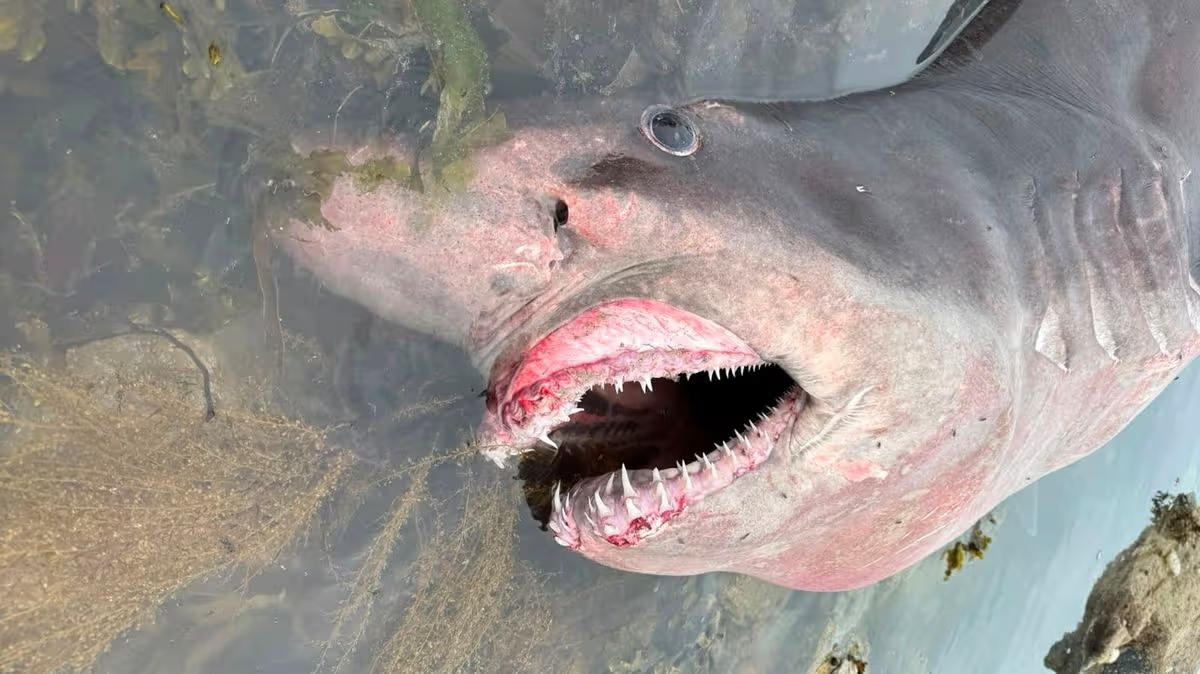
In a scene that defies the typical image of British coastal life, a massive and enigmatic shark, far from its usual warm-water haunts, recently washed ashore on the serene Greve D’Azette beach in Jersey. This creature, estimated to weigh 600kg and stretch over four meters in length, is believed to be a smalltooth sand tiger shark—a species synonymous with the sun-drenched waters of the Mediterranean, the Bay of Biscay, and the Canary Islands. Its appearance in the cool tides of the English Channel is not just surprising; it is a profound anomaly. This rare and endangered shark has been documented in UK waters only a handful of times throughout history, and for Jersey, this marked the first such encounter since official records began. The event transformed a local beach into a site of marine mystery, drawing authorities and conservationists to the scene of this stranded oceanic giant.
Paragraph 2: A Struggle for Survival
When first discovered on that Sunday, the shark was tragically still clinging to life, displaying faint signs of movement. Responders from the Jersey Coastguard, British Divers Marine Life Rescue, and Marine Resources arrived quickly, hoping to aid the majestic animal. Despite their efforts, the shark’s condition was beyond revival, a somber reminder of the fragility of life even in such a powerful creature. The incoming tide eventually reclaimed the body, only for it to return the following day, on June 8, presenting a second, more final opportunity for examination. A postmortem conducted by veterinarians revealed no immediate, obvious cause of death. Crucially, there were no signs of human interaction—no fishing wounds or entanglement marks—deepening the mystery of what led this deep-water traveler to such a shallow and unfamiliar end. While visual identification strongly suggests it is a smalltooth sand tiger, definitive confirmation awaits DNA analysis, underscoring the scientific significance of this rare find.
Paragraph 3: Britain’s Unexpected Shark Encounters
This incident challenges the common perception that the UK’s coastal waters are devoid of such dramatic marine life. While not a regular hotspot for large sharks, British shores have witnessed several noteworthy encounters. Just last June, for instance, a stunned fisherman found himself face-to-face with an endangered tope shark in shallow waters off a British beach. Alex McGlynn, a fisherman with two decades of experience, expressed his astonishment, having never seen such a species in the area. These events highlight that our waters, though cooler, are occasionally visited by these nomadic predators, reminding us that the ocean’s boundaries are fluid and its inhabitants far more mobile than we often assume.
Paragraph 4: The Gentle Giants Among Sharks
The sharks that visit British waters, like the tope shark mentioned or the suspected smalltooth sand tiger, often defy the aggressive stereotypes perpetuated by popular culture. The tope shark, which can grow to over six feet, primarily feeds on bony fish, crustaceans, and cephalopods. Despite its formidable size, it is not considered aggressive toward humans, and there are no recorded attacks. Similarly, the smalltooth sand tiger shark, though imposing in appearance, is not known for posing a threat to people. These species embody a crucial truth about marine ecosystems: size and power do not equate to menace. Their presence, even in death, offers a chance to appreciate their role as specialized predators within a complex aquatic world, rather than as monsters.
Paragraph 5: Conservation and Protected Status
The appearance of these animals on UK shores also brings their protected status into focus. Species like the tope shark are safeguarded in both UK and EU waters, reflecting their vulnerability and ecological importance. Regulations mandate that if caught, even accidentally by rod and line, they must be returned to the sea alive. This legal framework underscores a growing societal commitment to marine conservation, recognizing that these creatures are not merely occasional visitors but integral components of a broader, interconnected oceanic habitat that requires active protection. The rare stranding of an endangered shark like the smalltooth sand tiger serves as a poignant, real-world reminder of the stakes involved in these conservation efforts.
Paragraph 6: A Symbol of Oceanic Mystery and Change
The journey of this large shark—from the warm, deep waters of the Mediterranean to the finality of a Jersey beach—is more than a isolated oddity. It is a narrative filled with unanswered questions. What compelled it to travel so far north? Was it following prey, displaced by changing ocean currents, or simply an individual explorer at the edge of its range? Its silent demise, with no clear traumatic cause, hints at the subtle and often invisible challenges marine life faces: illness, navigational error, or the sheer exhaustion of a journey into unsuitable waters. This event transforms the shark from a mere biological specimen into a symbol. It represents the enduring mystery of the deep sea, the unexpected intersections between human and marine worlds, and the silent stories of change that may be unfolding within our oceans. Its body on the sand is a stark, powerful testament to the fact that even in our local waters, the global drama of marine life and its fragile existence can wash up on our shores, inviting reflection, curiosity, and a deeper respect for the unseen world beneath the waves.