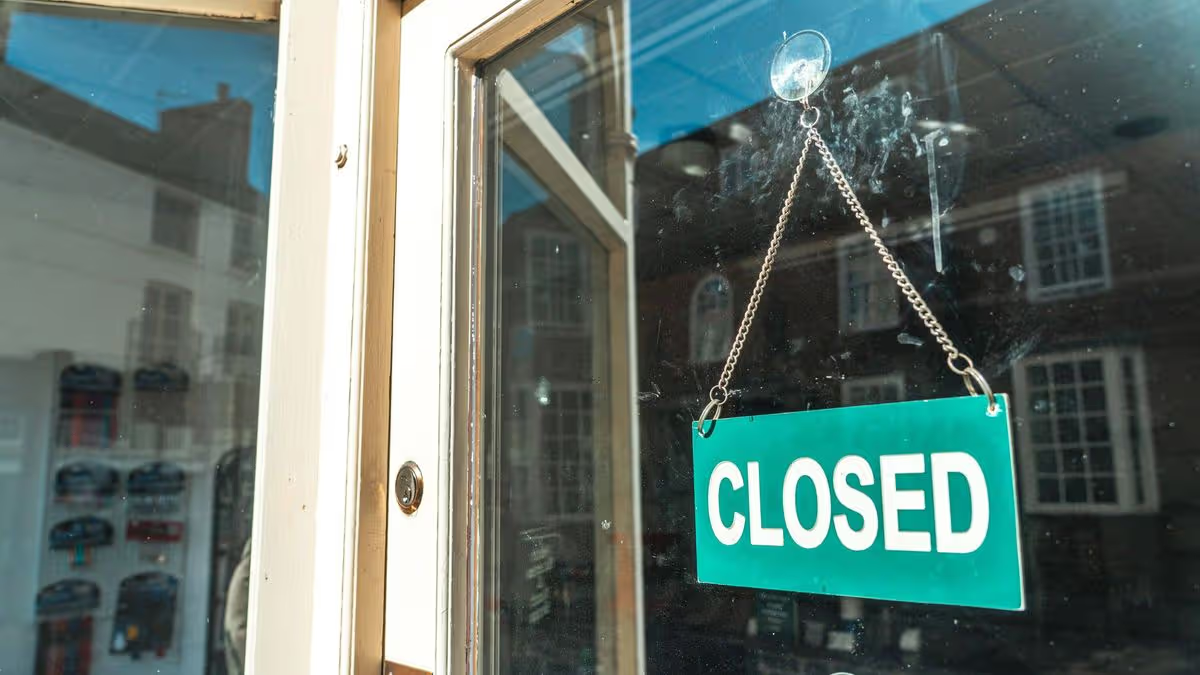




The British high street, a long-cherished pillar of community life, is weathering another relentless storm. The opening months of 2026 have delivered a fresh wave of closures, underscoring a profound and ongoing transformation of our town and city centres. This isn’t merely a story of corporate failure, but a complex tapestry of economic pressure, shifting consumer habits, and poignant personal farewells. From national chains to cherished independents, businesses across sectors are making difficult decisions, leaving behind empty units and a palpable sense of loss for the communities they served.
The week’s announcements highlight the precarious position of even well-established names. Outdoor retailer Mountain Warehouse, which boasts hundreds of UK stores, is preparing to shutter its branch in the picturesque Buckinghamshire town of Marlow after nearly a decade, with “Everything Must Go” signs telling a familiar tale. Similarly, the long-standing Symington Shoes in Galashiels, Scotland, an independent fixture for years, is reluctantly closing its doors, citing retiring staff and “extremely challenging trading conditions.” Even the essential Post Office network is contracting, with the last central branch in Coventry set to close in June, a move described by local shopping centre management as “a disaster” for city centre accessibility. These closures represent more than just commercial adjustments; they are the erosion of local choice and convenience, stripping high streets of their diversity and practical utility.
Perhaps most telling is the strain hitting the charitable sector and the vibrant but vulnerable world of independent hospitality. Barnardo’s, a giant of charity retail with over 500 shops, is closing several stores, explicitly blaming “huge challenges for the UK high street,” including rising costs, weaker consumer spending, and competition from online resale platforms like Vinted. This indicates that the challenges are systemic, affecting even non-profit models built on donated goods and volunteer support. In parallel, the dream of running a beloved local eatery is colliding with harsh economic reality. In St Albans, the artisan pizza restaurant PizzAyo closed after just eight months, its owners stating that rising costs forced an impossible choice: compromise their quality or cease trading. They chose the latter, a sombre testament to their principles but a devastating blow to a local clientele that had awarded them a near-perfect rating. Meanwhile, in Oxton, Merseyside, the young café and wine bar Manny’s Market succumbed to “spiralling bills and operating costs,” leaving a village heartbroken less than two years after it opened.
The ripple effects extend to shopping centres and retail parks, environments once considered more resilient than traditional high streets. Pavers shoes is departing the Ashford Designer Outlet after only three years, a commercial decision by the brand that leaves a unit vacant. In Braintree, Essex, Craghoppers is holding a 70%-off sale ahead of its imminent exit from the Braintree Village Freeport. These moves suggest that the pressures are ubiquitous, impacting discount outlets and branded retail parks as well as main streets. Furthermore, the restructuring of larger chains has collateral damage; the closure of 100 TG Jones newsagents nationwide threatens the Post Office counter operating within its Coventry branch, demonstrating how the fate of small, essential services is often tied to the fortunes of the larger businesses that host them.
Amidst this bleak landscape, the human impact resonates most deeply. Each closure carries a story of personal endeavour and community connection. The staff at Symington Shoes facing retirement against a backdrop of closure; the team at The Beech House gastropub in St Albans, which also closed this week “after many wonderful years,” thanked with heartfelt gratitude by owners; the entrepreneurs behind PizzAyo and Manny’s Market, who poured their passion into creating local gems only to be overwhelmed by macroeconomic tides—these are the individual experiences that aggregate into the national narrative of a high street in crisis. The social media outcry following these announcements, filled with messages of heartbreak and support, underscores that these spaces are not just transactional venues but social fabric, contributing to a sense of place and belonging.
In conclusion, the collective closures of this period—encompassing charity shops, shoe retailers, outdoor specialists, post offices, pubs, and restaurants—paint a comprehensive picture of a retail and hospitality ecosystem under severe duress. The causes are multifaceted: inflationary pressures on energy, goods, and wages; a sustained shift toward online shopping and resale; and perhaps a fundamental reassessment of how we use our physical town centres. While centre managers speak of “active discussions” with new retailers and the Post Office points to alternative branches, the net effect is a continued contraction and homogenisation. The high street of 2026 is being reshaped in real-time, not with a single catastrophic collapse, but through a steady, weekly drumbeat of farewells, leaving communities to navigate the quietening spaces where once they shopped, dined, and gathered.