




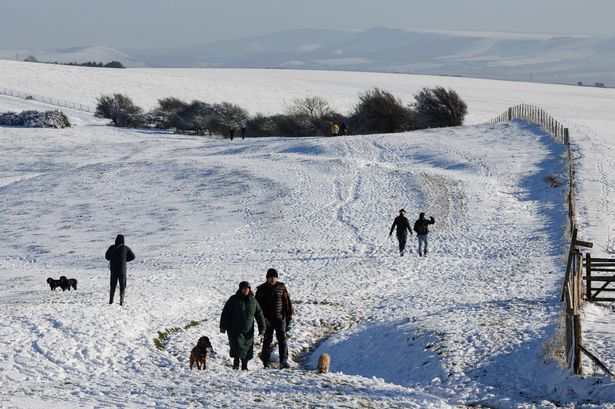
The United Kingdom is bracing for a prolonged period of frigid temperatures and wintry precipitation throughout February, with the majority of the country expected to experience a significant onslaught of snow and rain. Weather models indicate a vast swathe of precipitation sweeping across the nation, leaving only a few isolated areas unscathed by the wintry blast. This impending weather system threatens to disrupt daily life, impacting transportation, infrastructure, and potentially posing risks to vulnerable populations. The Met Office and other meteorological agencies are closely monitoring the developing weather patterns, advising residents to prepare for challenging conditions and stay informed of the latest forecasts and warnings.
The anticipated weather event is a result of complex atmospheric dynamics, involving the interaction of cold air masses from the Arctic and milder, moisture-laden air from the Atlantic. This clash of air masses creates an environment conducive to heavy precipitation, with the specific form – snow or rain – depending on the precise temperature profile at different altitudes. Areas further north and inland are expected to see predominantly snowfall, potentially leading to significant accumulations, while southern and coastal regions are more likely to experience a mix of rain and sleet. The intensity and duration of the precipitation will vary across the country, with some areas facing blizzard-like conditions and others encountering more moderate wintry showers.
The potential impact of this widespread winter weather event is multifaceted and far-reaching. Heavy snowfall can lead to road closures, disrupting commutes and hindering the transportation of essential goods and services. Power outages are also a possibility, as the weight of accumulated snow can damage power lines and infrastructure. Furthermore, prolonged cold temperatures can put a strain on heating systems and increase energy demands, potentially leading to supply shortages or price hikes. Vulnerable populations, including the elderly and homeless, are particularly at risk during periods of extreme cold, requiring targeted support and assistance to ensure their safety and well-being.
Preparations are underway across the UK to mitigate the potential disruptions and ensure the safety of residents. Local authorities are readying snow removal equipment and deploying gritters to maintain road safety. Utility companies are reinforcing their infrastructure and preparing for potential power outages. Emergency services are on standby to respond to any weather-related incidents, and public health authorities are issuing guidance on protecting oneself against the cold and recognizing the signs of hypothermia and other cold-related illnesses. The government is also coordinating efforts to provide support and resources to vulnerable communities.
Beyond the immediate impacts, this prolonged period of cold weather could also have longer-term consequences for the environment and the economy. The heavy snowfall could contribute to localized flooding as temperatures rise and the snow melts, potentially impacting agriculture and ecosystems. The disruption to transportation and businesses could also have economic ramifications, particularly for sectors reliant on smooth supply chains and consumer spending. Furthermore, the increased energy demands associated with heating during prolonged cold spells could exacerbate concerns about energy security and climate change.
In the face of this impending weather event, it is crucial for individuals and communities to take proactive steps to prepare and stay safe. This includes monitoring weather forecasts regularly, stocking up on essential supplies, ensuring adequate home insulation, and preparing for potential power outages. Individuals should also check on vulnerable neighbors and family members and familiarize themselves with cold weather safety guidelines. By working together and taking appropriate precautions, the UK can navigate this challenging period and minimize the potential impacts of the anticipated winter weather.