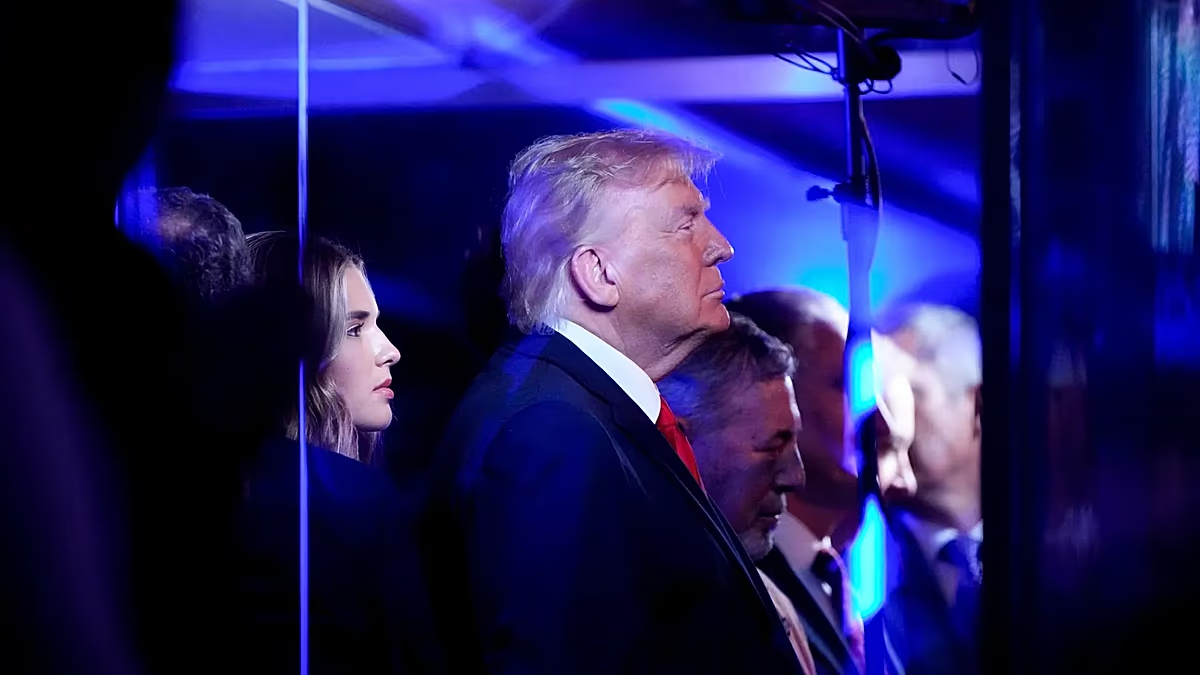



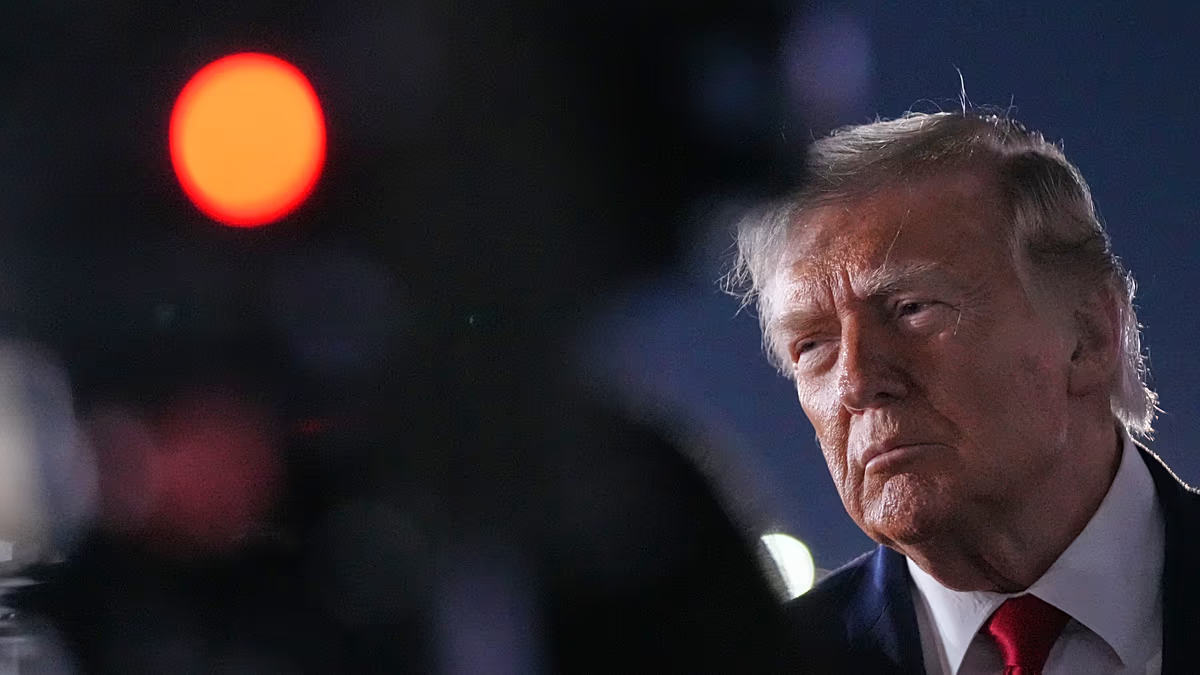
Amidst the persistent tremors of conflict in the Middle East, President Donald Trump struck a note of unexpected optimism. Standing before journalists at New York’s John F. Kennedy Airport, he suggested that a “very, very good, strong, powerful deal” with Iran was within reach, possibly just “two or three days” away. This hopeful declaration came, paradoxically, on the heels of a dangerous direct exchange of fire between Iran and Israel—the most significant breach of a fragile ceasefire that has held, however tenuously, for weeks. Trump framed the choice starkly: a negotiated agreement or a devastating military escalation that would see bombing campaigns reduce Iran’s capabilities to nothing but at a horrific human cost and a months-long closure of the critical Strait of Hormuz. Yet, he offered no concrete details to explain this sudden confidence, leaving observers to wonder what, if anything, had changed behind closed doors.
The path to any deal remains fraught with deep-seated and familiar obstacles. Mediators, with Pakistan playing a leading role, have been laboring for weeks to bridge a vast divide. The United States insists that Iran must relinquish its stockpile of highly enriched uranium, a remnant and a symbol of the intense, 12-day conflict that ravaged the region in 2025. Iran, for its part, flatly refuses this condition while demanding immediate relief from crushing economic sanctions and the release of its frozen assets—a concession Trump has publicly rejected. This fundamental clash of priorities—security guarantees versus economic survival—has repeatedly stalled progress, casting a long shadow over the President’s upbeat prognosis.
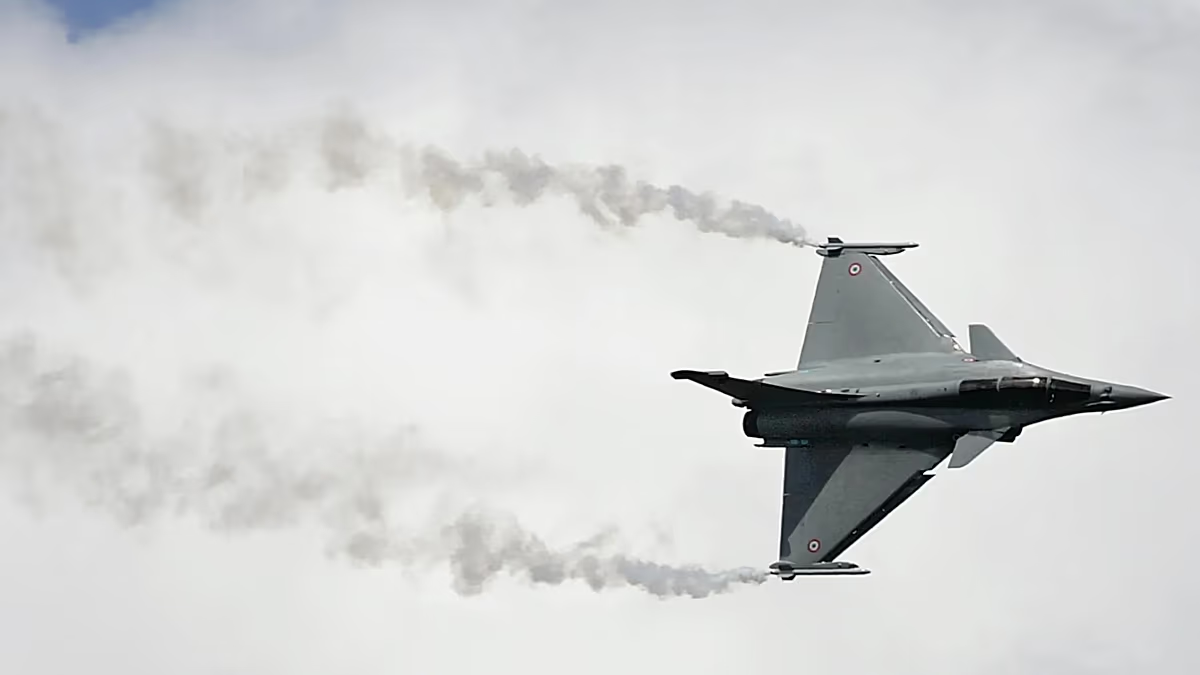
The precarious nature of the situation was underscored almost immediately by a troubling incident in one of the world’s most strategic choke points. A U.S. Army Apache attack helicopter crashed near the Strait of Hormuz, the vital waterway Tehran has used as leverage throughout the crisis. While President Trump quickly assured the public that the two crew members were “fine,” the cause of the crash remained unclear. Apache helicopters have been instrumental in the U.S. effort to enforce a blockade on Iranian oil shipments, a primary pressure tactic aimed at forcing Tehran back to the negotiating table. Their vulnerability highlighted the ongoing, high-stakes military posture that continues even amid talk of peace, a reminder that the region remains a tinderbox.
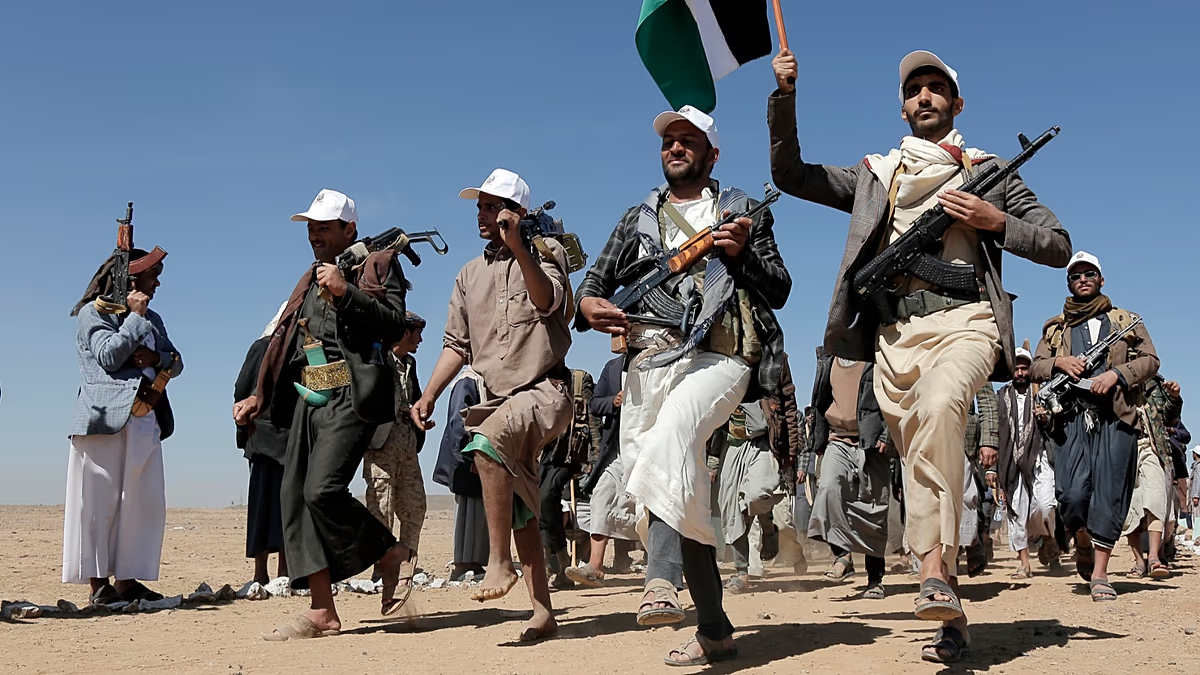
Nowhere is that volatility more apparent than in the expanding conflict between Israel and the Iranian-backed militant group Hezbollah in Lebanon. This front threatens to unravel any nascent diplomacy between Washington and Tehran. While Iran and Israel appeared to step back from the brink after their recent exchange, issuing statements halting offensive strikes and implying the round of fighting was over, both included stern warnings of severe retaliation for any future provocation. Meanwhile, Israeli operations in southern Lebanon have intensified, with the military issuing a new evacuation warning for parts of the port city of Tyre, alleging Hezbollah activity there. This relentless campaign, which Israel frames as essential self-defense, directly challenges Iran’s influence and creates a cycle of escalation that mediators struggle to contain.
The human and global costs of this prolonged conflict continue to mount. Since the initial explosions of violence in late February, the war has shaken the foundations of the world economy, sending energy prices soaring and making basic necessities more expensive everywhere. For the people of Lebanon, the conflict has meant a relentless flight from destruction, as airstrikes hammer coastal areas and displace civilians seeking refuge in places like Tyre, only to be told they must flee again. Each missile strike and each diplomatic setback makes the goal of a sustainable peace seem more distant, turning the April ceasefire into little more than a pause between rounds of a devastating fight.
Thus, President Trump’s hopeful words exist in a context of stark contradiction. They float above a landscape scarred by the crash of military aircraft, the echoes of exchanged fire between nations, and the grim expansion of a proxy war in Lebanon. The mediators’ task is not merely to draft terms on uranium and sanctions, but to somehow untangle a knot of mutual suspicion, regional rivalry, and immediate security threats. The promise of a deal in days offers a glimpse of an off-ramp, a potential end to a conflict that has bled across borders and battered the global community. Yet, until signatures are dry, the region holds its breath, conditioned by experience to watch the skies and the headlines with equal dread, knowing that optimism and a missile launch can arrive with terrifying proximity.