


The overnight skies over Odesa were once again shattered by the grim routine of war, as Russian drone strikes targeted the historic port city. This latest attack, far from military frontlines, focused its destructive power squarely on the places where ordinary people live, work, and raise their families. The assault damaged residential buildings and critical civilian infrastructure, turning quiet neighborhoods into scenes of chaos and fear. It was a brutal reminder that in this conflict, the home front is often the front line, with civilian areas bearing the brunt of the violence.
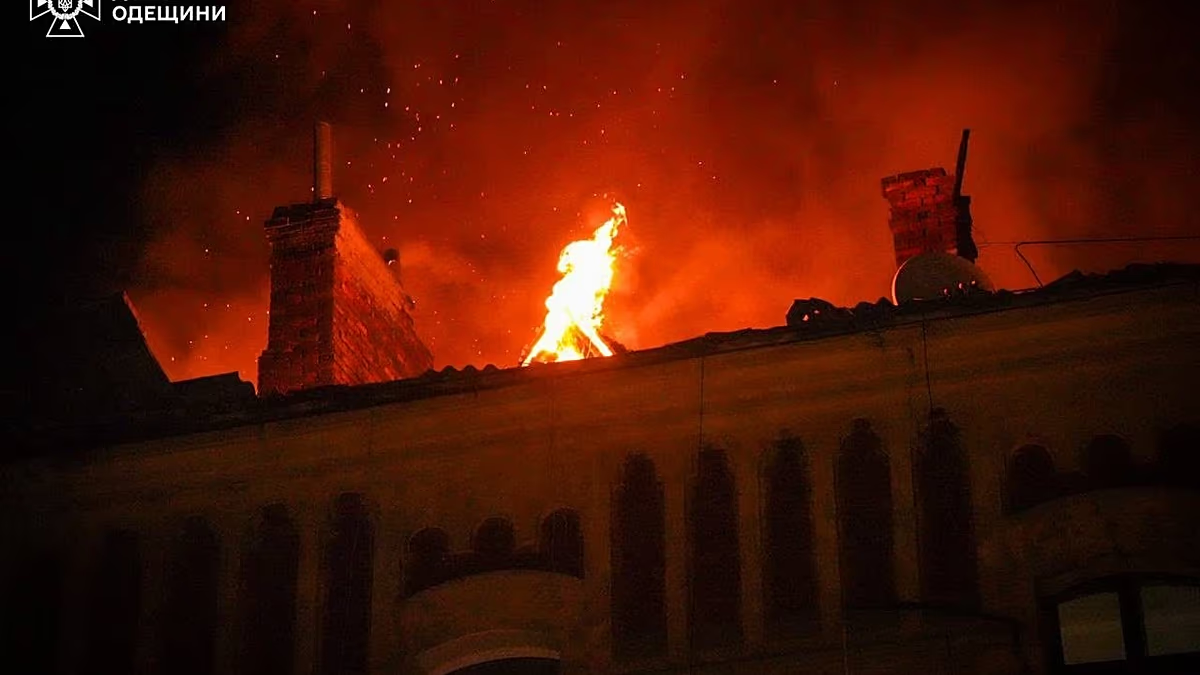
The scale of the destruction became heartbreakingly clear with the release of images by Ukraine’s emergency services. Photographs showed firefighters, faces grim with soot and exhaustion, battling fierce, towering blazes that lit up the night. Thick, black plumes of smoke rose like dark scars against the backdrop of apartment buildings, a visceral testament to the force of the impacts. Scenes of damaged homes, with shattered windows and broken walls, told a silent story of sudden terror and disrupted lives. These were not images of anonymous structures, but of residences where children had played and families had gathered just hours before.
The human cost of the bombardment was detailed by Ukrainian officials, who cataloged the heartbreakingly mundane targets that were struck. Apartments where people slept, a private house, rows of garages holding family belongings, and even a kindergarten—a place symbolizing innocence and community—were all hit in the attack. This targeting of a kindergarten, a space dedicated to the care and education of the youngest and most vulnerable, underscores a particularly cruel dimension of the warfare, striking at the very future of the community and leaving a psychological wound that runs deep.
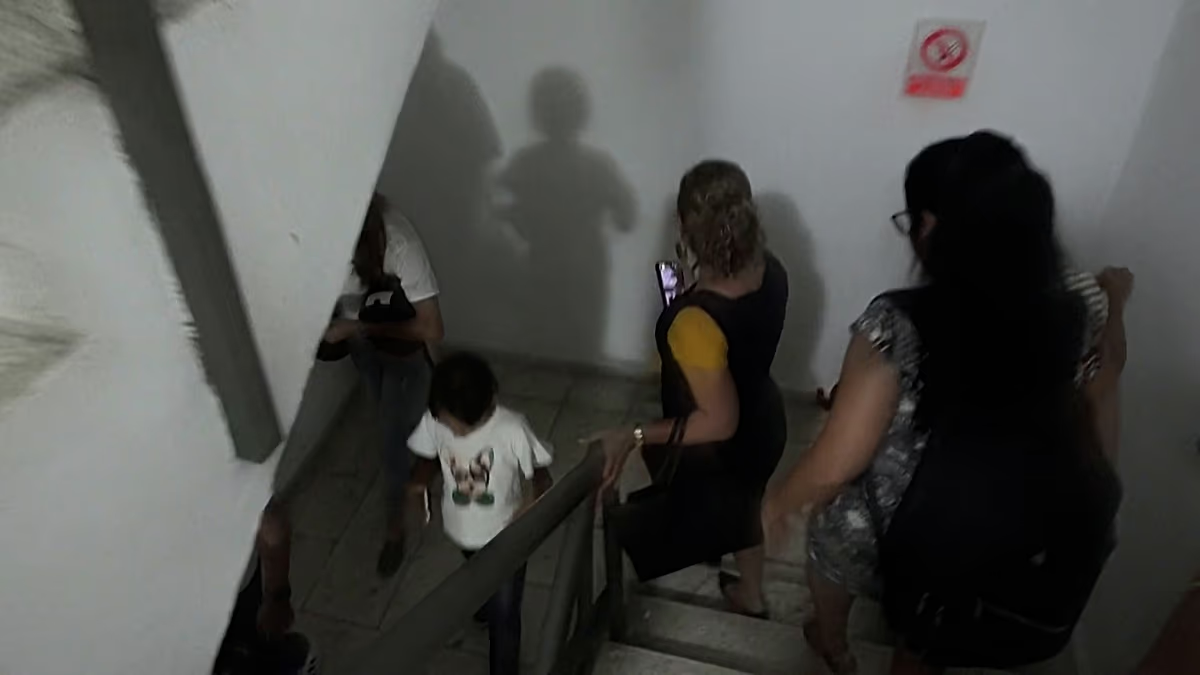
In the immediate aftermath, the human toll was measured in injuries and trauma. Authorities confirmed that at least 18 people were wounded, with several in serious enough condition to require hospitalization. But beyond the physical injuries, the attack left a community in shock. Recognizing the profound psychological impact, emergency crews worked alongside psychologists who were deployed to the scene to assist residents. These first responders addressed not only the smoldering ruins but also the invisible scars, offering comfort to those who had lost their sense of safety, their homes, and their peace of mind in a matter of moments.
The response on the ground was a testament to resilience amidst devastation. Firefighters and emergency personnel rushed into danger to control the blazes and search for survivors, while utility workers labored to restore basic services. Neighbors likely emerged to help one another, offering shelter and support in a spontaneous show of solidarity. Each act of assistance, from medical care to a comforting word, became a small defiance against the chaos, weaving a fragile network of hope and human connection amid the debris.
Ultimately, this attack on Odesa transcends statistics of damaged infrastructure or casualty counts. It represents another violent incision into the daily life of a city and its people, a forced upheaval of normalcy. The images of fire and smoke will fade, but the memories of fear, the disruption of lives, and the loss of security will linger long after the rubble is cleared. This event is not merely a military report but a deeply human story of a community confronting the sudden, violent intrusion of war into its quiet streets, and the enduring strength required to endure and rebuild.