



Paragraph 1: A Somber Gathering of Survivors
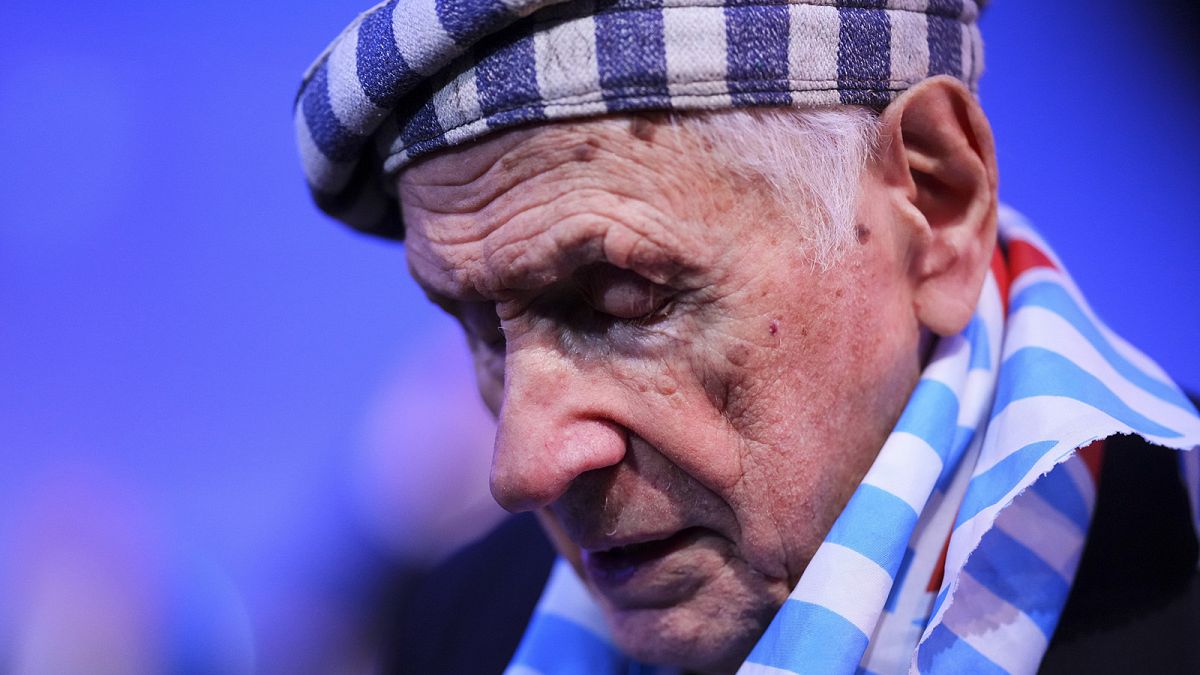
The 80th anniversary of the liberation of Auschwitz-Birkenau, the notorious Nazi death camp, was commemorated in southern Poland on January 27, 2025. This year’s gathering carried a profound weight, as it may be the last time survivors, now aged and frail, assemble at the site to mark the day Soviet troops liberated the camp in 1945, freeing the remaining 7,000 prisoners. The horrors witnessed within those barbed-wire fences remain etched in their memories, a constant reminder of the depths of human cruelty. The 1.1 million lives extinguished at Auschwitz-Birkenau, predominantly Jewish men, women, and children, serve as a chilling testament to the systematic brutality of the Nazi regime.
Paragraph 2: Voices of Remembrance and Warning
Recognizing the significance of this potentially final gathering, organizers decided to center the commemorations on the survivors themselves, requesting politicians to refrain from speaking. The survivors’ voices, filled with the weight of history and the urgency of their message, took center stage. Among them, Tova Friedman, a mere six years old at the time of liberation, shared her harrowing memories of watching her friends being led to death, the cries of their parents echoing in the air. Her poignant question, "Am I the only Jewish child left in the world?", encapsulated the profound loss and isolation experienced by so many.
Paragraph 3: The Resurgence of Antisemitism
A recurring theme in the survivors’ testimonies was the alarming rise of antisemitism in the present day. They drew a direct line from the hatred that fueled the Holocaust to the contemporary resurgence of antisemitic rhetoric and violence. Marian Turski, another survivor, emphasized this connection, stating that it was precisely antisemitism that paved the way for the systematic extermination of 6 million Jews during World War II. This warning resonated throughout the ceremony, serving as a stark reminder of the dangers of complacency in the face of prejudice and intolerance.
Paragraph 4: Vigilance Against Extremism
Leon Weintraub, also an Auschwitz survivor, highlighted the need for vigilance against the increasing popularity of far-right movements in Europe. He cautioned against dismissing the rhetoric of these groups, urging the world to learn from the mistakes of the 1930s, when the Nazi regime’s pronouncements were not taken seriously. He emphasized the importance of recognizing the dangers posed by these ideologies, which often target minorities and those deemed "different" – chilling echoes of the Nazi’s persecution of Jews, Roma, the disabled, and political dissidents.
Paragraph 5: Global Leaders Gather in Remembrance
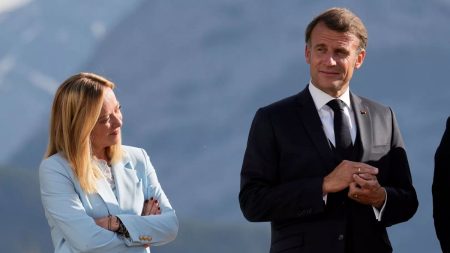
World leaders and dignitaries joined the survivors at Auschwitz-Birkenau to pay their respects and reaffirm their commitment to never forgetting the atrocities committed there. Among them were Polish President Andrzej Duda, Ukrainian President Volodymyr Zelenskyy, French President Emmanuel Macron, German Chancellor Olaf Scholz, and King Charles III of the United Kingdom. Each leader spoke of the importance of remembrance and the ongoing fight against hatred and intolerance. Notably absent were Russian representatives, excluded due to Russia’s ongoing invasion of Ukraine, a stark reminder of the fragility of peace and the enduring presence of conflict in the world. German Chancellor Scholz’s words, acknowledging Germany’s responsibility for the horrors of Auschwitz, resonated deeply, emphasizing the need for remembrance and atonement.
Paragraph 6: A Duty to Remember and Act
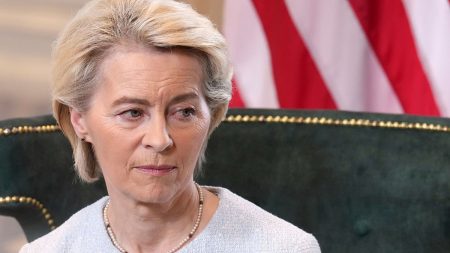
The 80th anniversary of the liberation of Auschwitz-Birkenau served as a poignant reminder of the darkest chapter in human history. As the survivors age and their voices begin to fade, the responsibility to remember and learn from the Holocaust falls upon subsequent generations. World leaders and dignitaries echoed this sentiment, recognizing the duty to ensure that such atrocities never happen again. European Commission President Ursula von der Leyen’s words encapsulated this shared responsibility, emphasizing the importance of remembering the unspeakable crimes and honoring the victims as the last survivors pass away. The ceremony at Auschwitz-Birkenau was not merely a commemoration of the past but also a call to action for the present and future – a call to combat hatred, intolerance, and all forms of discrimination, safeguarding the values of humanity and ensuring a world free from genocide.