



Paragraph 1: A New Chapter in UK-EU Relations?
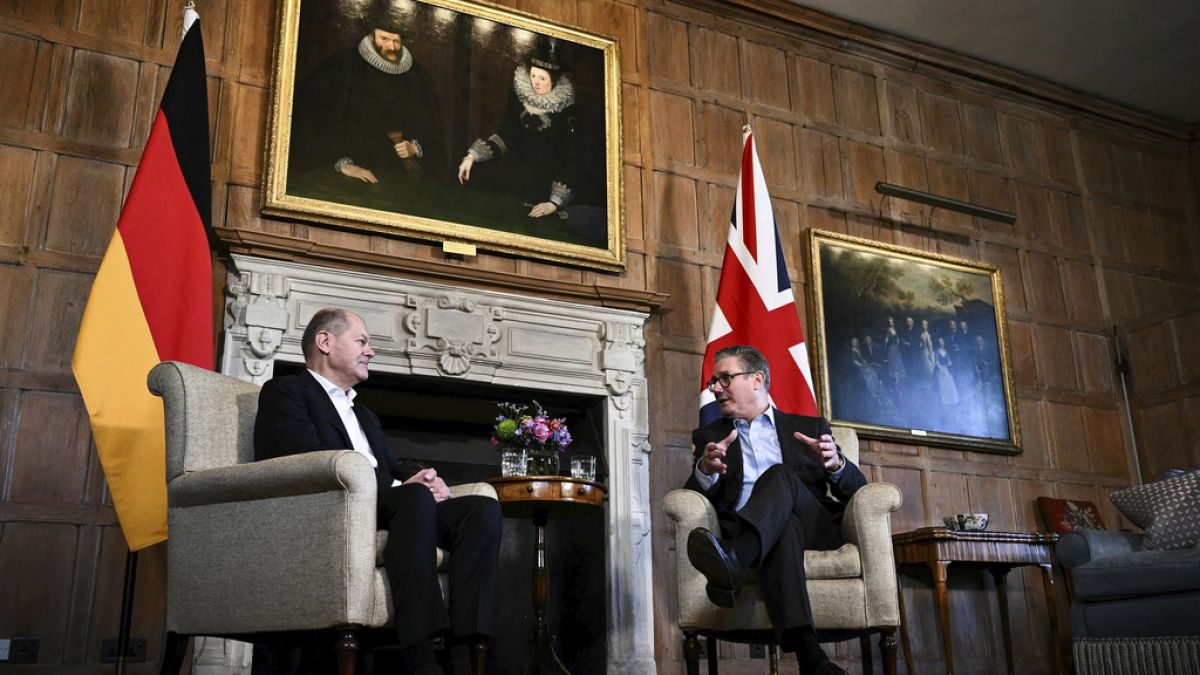
Five years after the UK’s tumultuous departure from the European Union, a new chapter in the relationship between the two entities is unfolding. Prime Minister Keir Starmer, in a significant diplomatic move, hosted German Chancellor Olaf Scholz at Chequers, the Prime Minister’s official country retreat, signifying a concerted effort to reset and strengthen ties with the EU. This meeting served as a prelude to Starmer’s subsequent visit to Belgium, where he engaged with EU leaders to explore avenues for closer cooperation. While unequivocally ruling out the possibility of rejoining the EU, its single market, or the customs union, Starmer emphasized the importance of forging stronger partnerships in crucial areas such as defence, energy, and trade, reflecting a pragmatic approach to navigating the post-Brexit landscape.
Paragraph 2: Setting a Different Tone:
Starmer’s approach marks a departure from the often-fractious relationship that characterized the immediate aftermath of Brexit. He has consciously sought to establish a more constructive and cooperative tone in interactions with European counterparts. This shift in approach is intended to build trust and facilitate productive dialogue on shared interests and challenges. The meeting with Scholz, characterized by a relaxed atmosphere including a stroll through the Chequers grounds and a working lunch, symbolized the desire for a more amicable and collaborative relationship. Scholz himself acknowledged the positive nature of the meeting, highlighting the strong ties between the two countries and their leaders.
Paragraph 3: Focusing on Shared Priorities:
Beyond the symbolic importance of the meeting, the discussions between Starmer and Scholz focused on substantive policy areas of mutual concern. Ukraine emerged as a central topic, with both leaders reaffirming their unwavering support for Kyiv as the conflict with Russia continues. This shared commitment to assisting Ukraine underscores the alignment of UK and German foreign policy objectives in the face of a major geopolitical challenge. The discussions also encompassed the complex situation in the Middle East, further demonstrating the breadth of shared interests and the potential for coordinated action on global issues.
Paragraph 4: Rethinking Trade and Security:
While the UK’s departure from the EU has created new barriers to trade and cooperation, Starmer’s government recognizes the enduring importance of the economic and security relationship with Europe. The focus on forging closer ties in areas like trade, even outside the framework of EU membership, reflects a pragmatic understanding of the interconnectedness of the UK and European economies. Similarly, the emphasis on enhanced cooperation in defence highlights the shared security challenges faced by both sides and the need for collaborative approaches to address them. This pragmatic approach suggests a recognition that, despite Brexit, close cooperation with the EU remains vital for the UK’s prosperity and security.
Paragraph 5: A Long Road Ahead:
Despite the positive signals emanating from Starmer’s diplomatic initiatives, rebuilding trust and establishing a new framework for UK-EU relations will be a complex and potentially lengthy process. The legacy of Brexit, with its associated divisions and disagreements, continues to cast a shadow over the relationship. Moreover, navigating the complexities of divergent interests and priorities within the EU will require careful diplomacy and negotiation. While the meeting with Scholz represents a significant step forward, it is just the beginning of a long road toward establishing a more stable and productive partnership.
Paragraph 6: The Future of the Relationship:
The future of the UK-EU relationship remains uncertain, but Starmer’s efforts to reset the tone and focus on areas of mutual interest offer a glimmer of hope. The success of this endeavor will depend on the willingness of both sides to compromise and work together constructively. The focus on pragmatic cooperation in areas like defence, energy, and trade suggests a recognition that, despite the political and economic separation brought about by Brexit, close collaboration remains essential for addressing shared challenges and ensuring the prosperity and security of both the UK and the EU. The coming months and years will reveal whether this new approach can translate into a truly mutually beneficial partnership.