



Donald Trump’s Claims and Controversies Regarding the Ukraine War
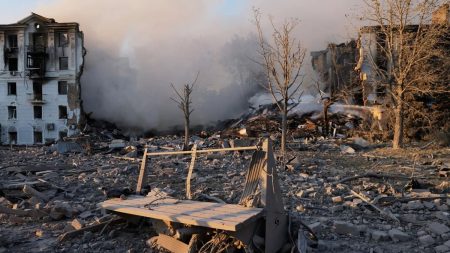
Former US President Donald Trump has consistently asserted that the war in Ukraine would not have occurred if he had remained in office. This claim, however, contradicts the reality of escalating tensions and military buildup in eastern Ukraine during his presidency, culminating in Russia’s full-scale invasion in 2022. Trump’s pronouncements on the conflict have been marked by criticism of Ukrainian President Volodymyr Zelenskyy, whom he accuses of failing to negotiate a deal with Russian President Vladimir Putin to avert the war. Trump has mocked Zelenskyy’s "bravery" while highlighting Ukraine’s dependence on US aid, which accounts for a significant portion of the country’s military needs. Trump has also downplayed the severity of Russia’s aggression, labeling it a "crisis" rather than a full-blown war.
Trump’s interactions with Putin have been a subject of intense scrutiny. He has claimed to have engaged in "very serious" discussions with Russia regarding the war, hinting at potential "significant" actions to resolve the conflict. While Trump remains vague about the specifics of these discussions and his direct communication with Putin, he maintains that talks are ongoing. This ambiguity has further fueled speculation about the nature of their relationship, particularly given Trump’s past praise of Putin’s intelligence and his questioning of US intelligence findings regarding Russian interference in the 2016 elections. Putin himself has lauded Trump as a "clever and pragmatic man" and echoed Trump’s assertion that the war could have been avoided had Trump won the 2020 election. This mutual admiration raises concerns about potential undisclosed agreements or understandings between the two leaders.
The exchange of accolades between Trump and Putin underscores the former president’s ongoing efforts to challenge the legitimacy of the 2020 election results. Trump continues to allege widespread voter fraud, a claim repeatedly debunked by election officials, courts, and even his own attorney general. Putin’s endorsement of this narrative further aligns the two leaders against the established findings of US democratic processes.
Trump’s stance on the Ukraine war has become a central theme of his 2024 presidential campaign. He has pledged to end the war "within a day" if elected, criticizing the Biden administration’s substantial financial aid to Ukraine. This contrasts sharply with the bipartisan consensus in Congress supporting Ukraine’s defense against Russian aggression. Trump’s rhetoric suggests a potential shift in US foreign policy towards a more conciliatory approach to Russia, possibly at the expense of continued support for Ukraine.
Trump’s history with Putin dates back to his 2016 campaign, when he publicly called on Russia to release Hillary Clinton’s deleted emails. This unusual request from a presidential candidate to a foreign power raised eyebrows and fueled suspicions about Trump’s relationship with Russia. His subsequent public siding with Putin over US intelligence assessments regarding Russian election interference further deepened these concerns.
The confluence of Trump’s claims about preventing the war, his ambiguous discussions with Putin, his criticisms of US aid to Ukraine, and his ongoing challenges to the 2020 election results creates a complex and concerning picture. His rhetoric raises questions about his potential foreign policy decisions if re-elected, particularly regarding US support for Ukraine and the broader relationship with Russia. The implications of his statements extend beyond domestic politics, impacting international perceptions of US reliability and its commitment to defending democratic values abroad.
Trump’s continued insistence on his ability to single-handedly resolve the Ukraine conflict within a day lacks concrete details and ignores the intricate geopolitical realities of the situation. It appears more as a campaign slogan than a well-defined policy proposal. The intricacies of the conflict, involving not only Russia and Ukraine but also a complex network of international alliances and interests, demand a more nuanced and comprehensive approach than a simplistic promise of immediate resolution. Trump’s past actions and statements regarding Putin and Ukraine raise doubts about his ability to effectively navigate these complexities and achieve a lasting peace.
Trump’s criticisms of Zelenskyy and his focus on US aid to Ukraine reveal a transactional view of international relations. His emphasis on financial contributions overlooks the broader strategic importance of supporting a democratic nation against an authoritarian aggressor. This perspective undermines the principle of collective security and the US’s role in upholding international norms and defending against threats to democracy globally.
The ongoing dialogue between Trump and Putin, while shrouded in secrecy, raises concerns about potential concessions Trump might make to Russia if returned to office. Given his past praise of Putin and his questioning of US support for Ukraine, there is a legitimate fear that he might prioritize a rapprochement with Russia over maintaining a firm stance against its aggression. Such a policy shift could have profound implications for the future of Europe and the global balance of power.
The ongoing debate surrounding Trump’s relationship with Russia and his stance on the Ukraine war highlights the importance of transparency and accountability in foreign policy. The American public deserves to know the full extent of any communications or agreements between Trump and Putin, as well as a clear understanding of his plans for resolving the conflict if elected. Without such transparency, it is difficult to assess the potential risks and benefits of his proposed policies and make informed decisions about the future direction of US foreign policy.