



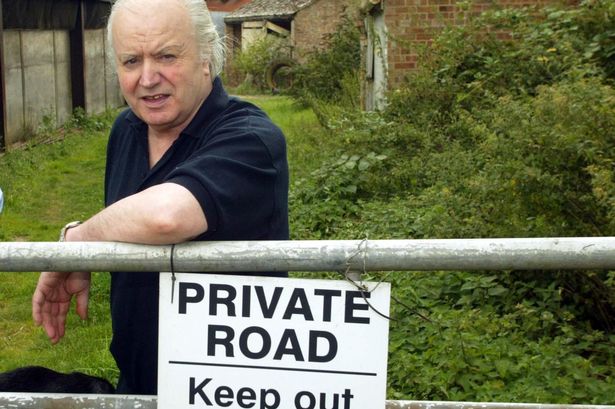
The death of Tony Martin at the age of 80 marks the final chapter in a complex and controversial case that continues to ignite debate about the rights of homeowners to defend their property and the limits of self-defense. Twenty-five years prior, Martin was thrust into the national spotlight when he shot and killed 16-year-old Fred Barras and wounded 29-year-old Brendan Fearon during a nighttime burglary at his isolated Norfolk farmhouse, Bleak House. This incident sparked a national conversation about the justifiable use of force, rural crime, and the perceived inadequacies of the criminal justice system in protecting vulnerable homeowners. Martin’s subsequent conviction of murder, later reduced to manslaughter on appeal, fueled public outcry and cemented his status as a folk hero to some and a vigilante to others. His case became a touchstone for anxieties surrounding rising crime rates and the perceived erosion of rural security.
The events of that fateful night in August 1999 remain shrouded in differing accounts. Martin, a reclusive farmer haunted by previous burglaries, maintained that he acted in self-defense, firing his shotgun from the stairs after being woken by the intruders. The prosecution, however, argued that Martin had lain in wait and shot the burglars as they fled, exceeding the reasonable force permissible for self-protection. The forensic evidence presented was complex and, to some, inconclusive, leaving room for differing interpretations. Fearon, the surviving burglar, provided testimony that further complicated the narrative, while the deceased Barras’s account was, tragically, forever silenced. The jury ultimately found Martin guilty of murder, a verdict that shocked many and ignited protests.
The subsequent appeal saw Martin’s conviction reduced to manslaughter on the grounds of diminished responsibility due to a personality disorder. This partial victory, while significant, did little to quell the ongoing debate. For many, the reduced sentence still represented a miscarriage of justice, punishing a man for defending his home against intruders. The case became emblematic of a perceived imbalance in the legal system, failing to adequately protect the rights of property owners against criminal activity. Support for Martin continued to swell, fueled by media portrayals that often cast him as a victim of circumstance, driven to desperate measures by repeated burglaries and a perceived lack of police protection in the isolated countryside.
The Martin case also illuminated deeper societal anxieties concerning rural crime and the changing landscape of law enforcement. The fear of becoming a victim in one’s own home resonated with many, particularly in rural communities where isolation and perceived vulnerability are often heightened. The case fueled calls for stronger legal protections for homeowners and a re-evaluation of the balance between the rights of the individual and the rights of the accused. The “Tony Martin” case became shorthand for a wider discussion on self-defense laws and the need for clearer guidelines on the permissible use of force in protecting one’s property and person. It forced a conversation around the efficacy of existing laws in addressing the anxieties and realities of rural crime.
Beyond the legal arguments and public discourse, the human cost of the tragedy remained. The loss of a young life, the trauma suffered by the injured burglar, and the lasting impact on Martin himself, paint a picture of a complex and multifaceted event with no easy answers. The case highlights the devastating consequences of fear and desperation, and the fine line between self-defense and excessive force. It underscores the need for a nuanced understanding of the circumstances surrounding such incidents, acknowledging the emotional toll on all involved while upholding the principles of justice and due process.
In the years following his release from prison, Martin remained a largely reclusive figure, forever marked by the events of that night. His death now closes a chapter on a case that continues to resonate in the public consciousness. The legacy of the “Tony Martin” case remains multifaceted and complex. It serves as a cautionary tale about the limits of self-defense, the intricacies of the legal system, and the enduring challenges of balancing the rights of individuals with the need for public safety. It also stands as a reminder of the human cost of crime, the fear it engenders, and the ongoing debate about how best to address these complex issues in a just and equitable manner. The questions raised by the case continue to challenge our understanding of justice, self-defense, and the role of the law in protecting both individuals and society as a whole.