




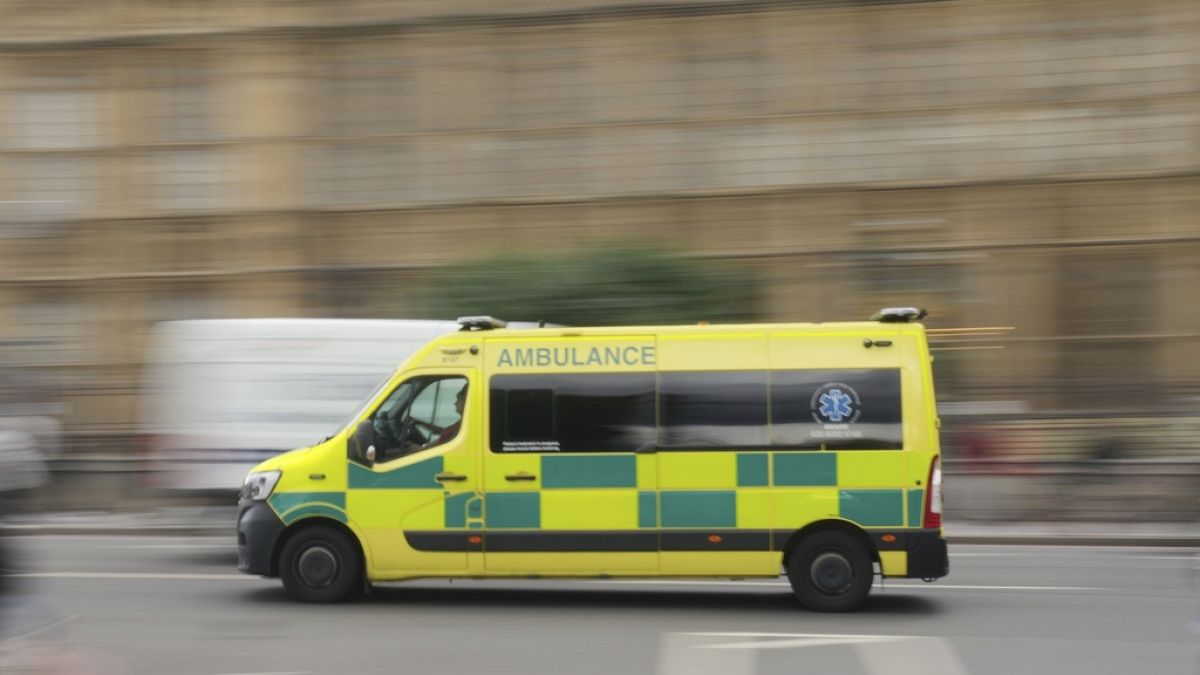
The UK’s ambulance services are facing a significant challenge: a deluge of non-emergency calls that are straining resources and potentially jeopardizing the lives of those facing genuine medical emergencies. The sheer volume of these inappropriate calls is staggering, with services reporting that a substantial percentage, often exceeding 15%, do not warrant ambulance dispatch. These calls range from the mildly inconvenient, such as a chipped tooth or a minor cut, to the outright absurd, including requests for assistance with lost walking sticks, escaped pet alligators, and even bad dreams. This misuse of the emergency system diverts precious resources, including dispatchers, paramedics, and ambulances, away from those in critical need, where a timely response can be the difference between life and death.
The nature of these non-emergency calls reveals a disconnect between public perception and the intended purpose of emergency services. While some callers may genuinely misjudge the severity of their situation, others appear to view the ambulance service as a catch-all solution for any problem, regardless of its medical relevance. This misunderstanding is exemplified by calls regarding locked-out individuals seeking warmth, pets in distress, and individuals with minor electrical shocks who exhibit no symptoms. These scenarios, while potentially inconvenient or distressing, fall far outside the scope of life-threatening emergencies that require immediate medical intervention. The burden of these calls is substantial, adding up to hundreds of unnecessary dispatches daily, each consuming valuable time and resources.
Dispatchers, like Emma Worrall in Wales, are on the front lines of this challenge, fielding a constant stream of calls, some of which defy belief. Worrall recounted an unforgettable call involving an escaped pet alligator, highlighting the absurdity of some requests. The caller, unconcerned about any injuries, simply wanted paramedics to retrieve the reptile. Worrall’s firm refusal and the caller’s incredulous response underscore the disconnect between the caller’s expectations and the reality of the ambulance service’s limited resources and mandate. Such calls, while occasionally humorous in retrospect, represent a significant drain on the system, diverting attention from genuine emergencies. Worrall emphasizes the importance of utilizing alternative pathways for non-urgent issues, reserving the ambulance service for life-threatening situations.
The impact of these non-emergency calls extends far beyond the inconvenience they pose to dispatchers. They create a ripple effect throughout the entire emergency medical system. Ambulances dispatched to non-urgent calls are unavailable for genuine emergencies, potentially leading to delayed responses for those in critical condition. This delay can have devastating consequences, especially in cases of heart attacks, strokes, and severe injuries, where every minute counts. The strain on resources also affects paramedics, who are forced to spend valuable time on non-medical calls, increasing their workload and potentially leading to burnout. Furthermore, the financial burden of these unnecessary dispatches is substantial, diverting funds that could be used to improve emergency services and patient care.
The UK’s ambulance services are actively working to address this issue through public awareness campaigns and education initiatives. They emphasize the importance of understanding what constitutes a genuine emergency and encourage the public to seek alternative resources for non-urgent medical needs, such as pharmacies, general practitioners, and NHS 111, a non-emergency medical helpline. These efforts aim to clarify the role of the ambulance service and encourage responsible use of this critical resource. The goal is to ensure that ambulances are available for those who truly need them, ultimately saving lives.
The issue of non-emergency calls to ambulance services highlights a crucial need for greater public understanding and responsible utilization of healthcare resources. While individual situations may vary, it is essential to recognize that the ambulance service is designed for life-threatening emergencies. By reserving this vital service for genuine medical crises, we can collectively ensure that those in dire need receive timely and effective care, maximizing the chances of positive outcomes and preserving the integrity of the emergency medical system. This requires a collective effort from the public, healthcare providers, and government agencies to promote awareness and encourage responsible behavior, ultimately contributing to a more efficient and effective healthcare system for all.