



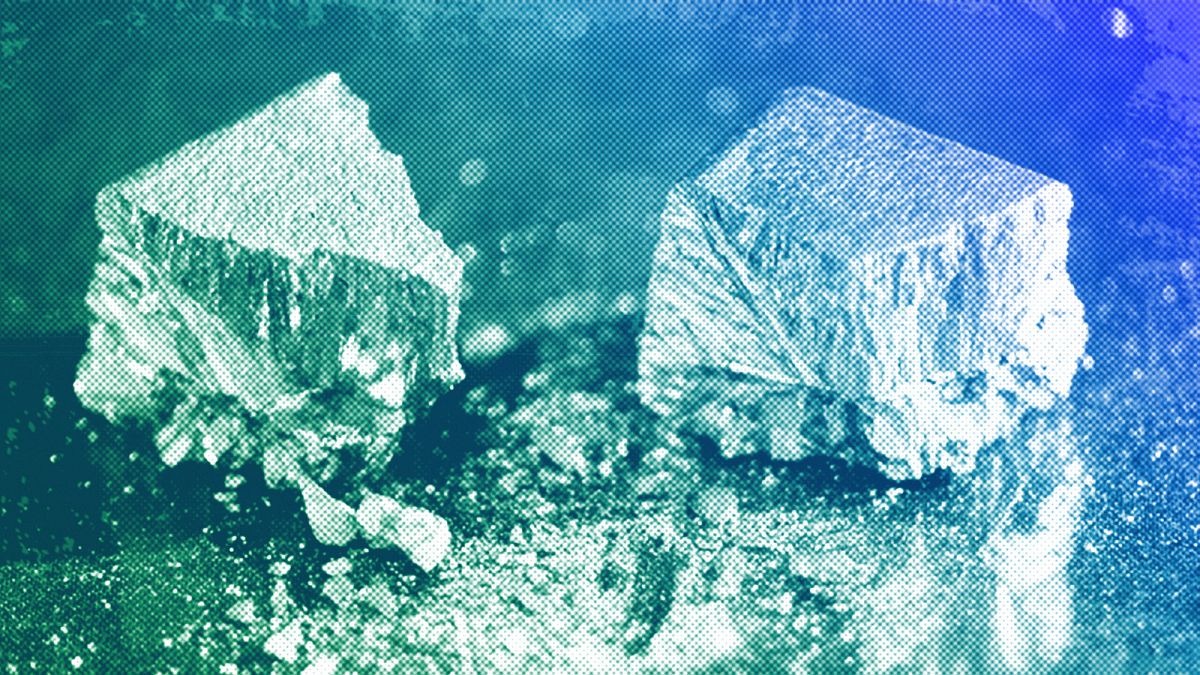
Europe’s green transition and economic future are inextricably linked to its access to critical raw materials, particularly rare earth elements. The continent’s current dependence on China for these resources poses a significant vulnerability, especially as geopolitical tensions escalate and China asserts its dominance in the global supply chain. The recent near-bankruptcy of Northvolt, a European battery manufacturer, highlights the precariousness of Europe’s position in the burgeoning electric vehicle (EV) market. While China has strategically invested in its EV industry for two decades, resulting in market dominance and control over a significant portion of rare earth production and processing, Europe lags behind, lacking the industrial capacity and secure access to raw materials necessary to compete. This dependence not only hinders Europe’s green ambitions but also exposes it to potential supply disruptions, posing a systemic risk to its industries. The “de-risking” strategy proposed by European Commission President Ursula von der Leyen underscores the urgent need for diversification and securing reliable sources of rare earths.
Europe faces a dual challenge: achieving its green transition goals and maintaining economic competitiveness in a rapidly changing global landscape. Without access to rare earth resources and control over the entire supply chain, from extraction to processing, Europe’s green ambitions are unlikely to materialize. Furthermore, the intensifying trade tensions between the US and China, and their respective relations with Europe, necessitate a proactive European strategy to secure its own access to these critical resources. Central Asia, rich in rare earths and other essential minerals, presents a strategic opportunity for the EU to diversify its supply chains and reduce its reliance on China. Building robust partnerships with resource-rich nations like Mongolia, which currently relies heavily on China for its exports, is crucial to counteracting China’s and Russia’s influence in the region.
Despite Chinese and Russian overtures in Central Asia, Europe possesses distinct advantages that can foster more stable and mutually beneficial relationships with these countries. Unlike China and Russia, Europe can offer stable trade relations, reliable contracts, and price guarantees, without compromising the political independence or national sovereignty of its partners. This approach is particularly appealing to countries like Mongolia, which seeks to diversify its trade relationships and reduce its dependence on China. Mongolia’s recent hosting of Vladimir Putin, in defiance of the International Criminal Court’s arrest warrant, underscores the extent of Russian influence over the country and highlights the strategic importance for Western democracies to support Mongolia’s independence from revisionist states.
Europe must proactively position itself as a dependable partner for countries seeking to diversify their economic and political relationships. Beyond Mongolia, Kazakhstan represents another key partner, and French President Emmanuel Macron’s visit to Kazakhstan and Uzbekistan signals a positive step toward strengthening ties in the region. However, further efforts are needed to solidify these relationships, especially as Turkey and the US also recognize the strategic importance of Central Asia’s resources. In this context, Europe must demonstrate that its commitment to strategic autonomy is not mere rhetoric but a concrete policy objective.
The outcome of the war in Ukraine carries significant implications for Europe’s access to critical resources. Ukraine itself possesses substantial reserves of rare earths, including a significant portion of Europe’s lithium resources. A Russian victory in Ukraine would not only endanger these resources but also solidify Russia’s influence in Central Asia, further bolstering China’s reach in the region. A peace agreement that fails to restore Ukraine’s territorial integrity and hold Russia accountable for its actions would be perceived as a sign of weakness by Central Asian countries, potentially pushing them further into the orbit of Russia and China. Such an outcome would undermine Europe’s security and its access to vital resources.
Europe stands at a critical juncture. With geopolitical tensions escalating and the prospect of a less friendly US administration, the EU must prioritize strategic partnerships with resource-rich countries, particularly in Central Asia. Decisive action is imperative. Europe must move beyond rhetoric and demonstrate its commitment to strategic autonomy through concrete actions, including securing access to critical resources, fostering mutually beneficial partnerships, and diversifying its supply chains. Only then can Europe achieve its green transition goals and maintain its economic competitiveness in an increasingly challenging global landscape. The time for bold and coordinated action is now. Europe’s future depends on it.