



Here is a humanized and expanded summary of the provided content, structured into six paragraphs as requested.
In a significant move for consumer safety, UK food authorities and major supermarkets have issued urgent recalls for several popular products, underscoring the constant vigilance required in our food supply chain. These actions, while concerning, demonstrate the system working as it should—identifying potential risks and communicating them clearly to the public to prevent illness. The recalls span a range of items, from a nutritious salad to a classic dessert and a convenient seafood product, highlighting that food safety is a universal priority regardless of the type of food. For consumers, the immediate guidance is clear and consistent: check your kitchens and refrigerators, and if you have purchased any of the affected items, do not consume them. Instead, return them to the point of purchase for a full refund, even without a receipt in most cases, as supermarkets prioritize customer well-being over formalities in such situations.
The most serious alert comes from the brand Good4U, which has recalled its “Super Sprouts Super Greens” salad, sold in 60g packs with a use-by date of May 3, 2026. This product, available at virtually every major UK retailer including Tesco, Sainsbury’s, Morrisons, Ocado, and Waitrose, may be contaminated with Salmonella. This bacteria is not to be taken lightly; infection typically causes unpleasant and sometimes severe symptoms including fever, diarrhoea, and abdominal cramps, which can be particularly dangerous for the very young, elderly, or those with compromised immune systems. The Food Standards Agency (FSA) has been unequivocal in its warning: “If you have bought the above product, do not eat it.” This isn’t a matter of slight quality concerns but a direct threat to health. Consumers are advised to return the product to the store and can contact Good4U directly for further information.
In a separate but equally important notice, retail giant Marks and Spencer has recalled its 500g pots of “Authentic Greek Yoghurt with Vanilla,” bearing a use-by date of May 12, 2026. The issue here is the undeclared presence of gluten, a protein found in wheat, barley, and rye. For the vast majority of people, this would pose no problem. However, for individuals with coeliac disease or a serious gluten intolerance, consuming this yogurt could trigger a harmful immune response, damaging the gut and causing a host of debilitating symptoms. M&S’s statement rightly emphasizes that customer safety is “of paramount importance,” and this recall reflects the critical need for accurate labelling. For those with these specific conditions, food labels are not just informational but essential medical guides, and any error can have serious consequences.
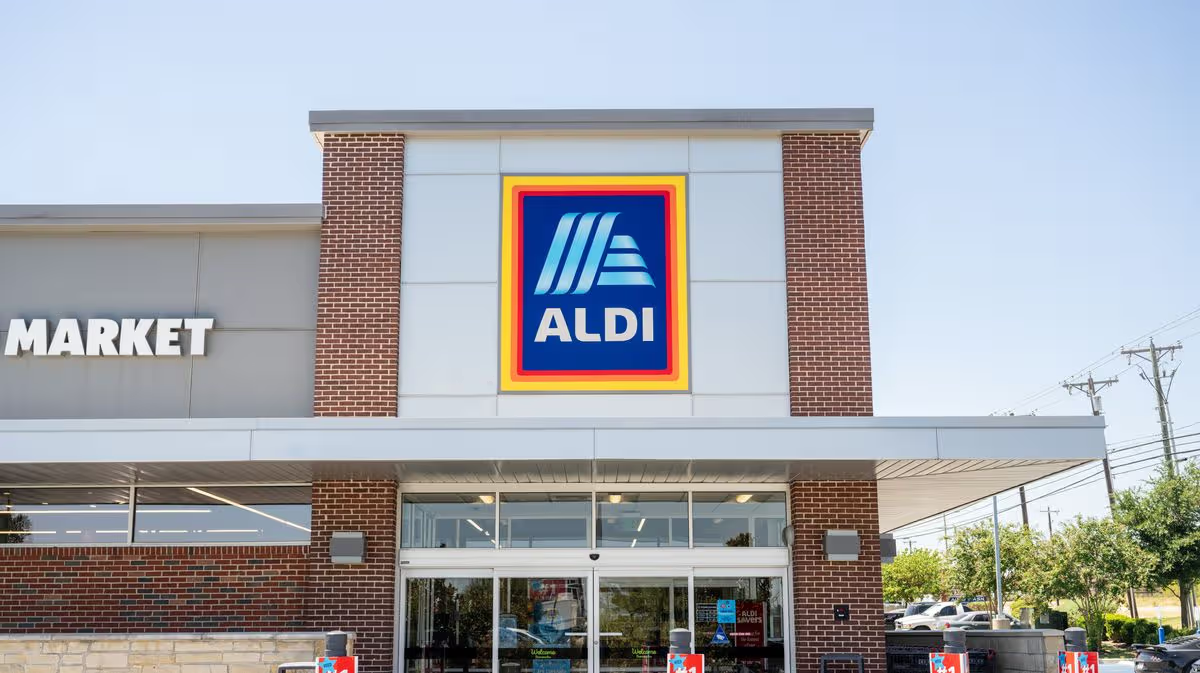
A third recall, from discount supermarket Aldi, involves “The FishMonger Hot Smoked 2 Salmon Fillets – Honey Roasted” in 180g packs. This situation is slightly different, acting as a poignant reminder of the importance of accurate date labelling. The product incorrectly displays a use-by date of June 25, 2026, while the correct date by which it should be consumed was actually April 25, 2026. Aldi has stated this is a “precautionary measure” due to the printing error. Use-by dates are fundamentally about safety, indicating when a product may no longer be safe to eat, unlike ‘best before’ dates which relate to quality. Consuming perishable foods like smoked salmon past their true use-by date risks food poisoning. This recall, while perhaps less alarming than a pathogen contamination, is a crucial intervention to prevent consumers from inadvertently eating a product that may have spoiled.
For anyone who discovers they have one of these products at home, the course of action is straightforward and designed to be as hassle-free as possible. Simply take the item back to the supermarket where it was purchased. A receipt is helpful but typically not mandatory in recall situations; retailers understand the urgency and are focused on removing the product from circulation. You will be offered a full refund. It is also advisable to check the official Food Standards Agency website or the specific supermarket’s recall page for the most detailed and up-to-date information, including full product details and batch codes. These coordinated efforts between manufacturers, regulators, and retailers form a vital safety net, catching potential issues before they can lead to widespread harm.
Ultimately, while news of food recalls can be unsettling, it is also a sign of a responsive and responsible food safety culture. These events remind us of the complex journey our food takes to reach our tables and the multiple checks involved. They also empower us as consumers, providing clear instructions on how to protect ourselves and our families. The key takeaways are to stay informed, heed official warnings without delay, and never hesitate to return a product if a recall is announced. By doing so, we participate in a shared commitment to public health, turning a moment of potential risk into an example of effective precaution and collective care.