




Paragraph 1
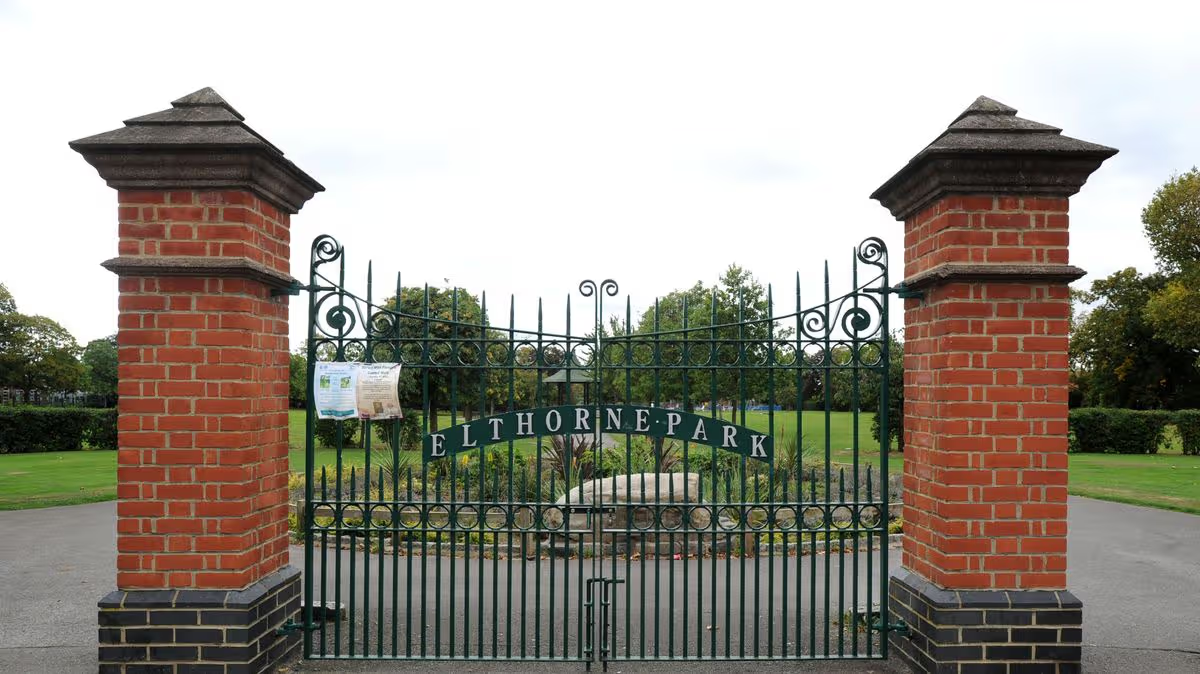
On a quiet afternoon in the London borough of Ealing, a devastating tragedy unfolded, claiming two precious lives. Just before 4:30 PM on April 25, 2026, emergency services were called to Elthorne Park, a community green space, following reports of individuals in distress in the water. The swift response of police, firefighters, and paramedics brought them to a heartbreaking scene. A woman and a young child, believed to be a mother and her son, were recovered from the water. Despite the best efforts of all involved, both were pronounced dead at the scene, leaving a profound silence where moments before there had been an urgent scramble to save them. This sudden loss in a place of leisure and beauty has sent shockwaves through the local community, turning an ordinary park into the site of an unimaginable personal catastrophe.
Paragraph 2
In the immediate aftermath, the Metropolitan Police confirmed the core facts with a heavy heart, focusing first on the human toll. Detective Superintendent Pete Thackray, from the local West Area Command Unit, gave voice to the collective sorrow, stating, “This is a tragic incident in which a woman and her young child have lost their lives. Our thoughts are with their loved ones.” The primary focus of the authorities swiftly turned to the arduous task of formal identification and locating the next of kin, a procedural step that underscores a deeply personal reality: somewhere, families were about to receive news that would change their lives forever. The police emphasized that, while a standard investigation is proceeding, all initial indications suggest the circumstances are not suspicious, pointing toward a terrible accident rather than criminal intent.
Paragraph 3
Amidst the grief, a poignant acknowledgment emerged for the bravery and compassion displayed in those critical moments. Detective Superintendent Thackray extended his gratitude, saying, “I would also like to acknowledge the efforts of the first responders and members of the public who did their very best in an incredibly challenging situation.” This recognition highlights the human impulse to help that surfaced during the crisis. Whether it was a passerby raising the alarm, a park-goer attempting an assist, or the professional responders working under immense pressure, these individuals confronted a deeply traumatic event in their efforts to avert the worst outcome. Their “very best,” as noted by police, stands as a testament to community spirit even in the face of profound helplessness.
Paragraph 4
The incident forces a sobering reflection on the hidden dangers that can exist in seemingly tranquil community spaces. Elthorne Park, like countless others, is a venue for family outings, playful afternoons, and peaceful strolls. The specific details of how the pair came to be in difficulty in the water—whether related to a pond, lake, or other feature within the park—have not been detailed, but the tragedy serves as a stark, sorrowful reminder of how quickly leisure can turn to peril. It underscores the ever-present need for vigilance around water, regardless of its apparent calmness or depth, and will likely prompt local authorities to review safety measures and signage in public parks.
Paragraph 5
As the formal investigations continue to piece together the final moments, the broader impact begins to settle. The community of Ealing is left to grapple with a shared sense of loss and vulnerability. Such an event transcends a mere news item; it touches a universal nerve of parental protectiveness and the fragility of life. Neighbors, local parents, and regular visitors to the park will feel the weight of this tragedy personally, a somber shadow now cast over a familiar place. The collective mourning extends beyond the immediate families to encompass all who are haunted by the thought of such a loss, reminding us of the invisible threads that connect us within a community.
Paragraph 6
In an age of instant information, this story emerged as a piece of breaking news, a raw and unfiltered report of tragedy. The initial bulletins, while necessarily concise and factual, carry the emotional weight of sudden death. As the story develops, the narrative will hopefully shift from the shocking headline to a more nuanced understanding of the lives lost, memorializing the individuals beyond their final moments. For now, the public is left with the bare, sorrowful facts: two lives, a bond of family, cut short on an April afternoon in a London park. The deepest condolences reside with the grieving family, while the community and city offer a collective, mournful sigh, reminded once again of life’s unpredictability and preciousness.