



As European ambassadors convene to prepare for an upcoming leaders’ summit in Cyprus, the agenda is once again being hijacked by the relentless drumbeat of geopolitical emergencies. The original, more mundane but crucial topics—such as the EU’s long-term budget, the complex process of enlargement, and boosting continental competitiveness—are being pushed to the margins. Instead, the meeting will be overwhelmingly consumed by managing the dangerous fallout from the conflict involving Iran. This shift highlights a recurring theme in modern EU politics: the struggle to advance a forward-looking, unified project when constantly forced into reactive crisis management. Furthermore, with Hungary’s Viktor Orbán having somewhat tempered his role as the bloc’s primary disruptor following compromises on issues like Ukraine aid, an intriguing question hangs in the air: which leader might now step into the vacuum to become the new “bad boy” around the summit table, challenging consensus and capturing headlines?
Amidst these high-stakes tensions, a quieter, more constructive diplomatic story is unfolding. It involves the burgeoning alliance between Finnish President Alexander Stubb and former Bank of England Governor Mark Carney, who is now a candidate for leadership of Canada’s Liberal Party. The two, described as running partners and close friends who text regularly, represent a breed of pragmatic, center-ground statesmanship. Their mission, along with other like-minded leaders from so-called “middle powers,” is to forge a new transatlantic coalition. This alliance would focus on bolstering economic security, defending democratic values, and providing stable leadership in an era often defined by populist volatility. Their partnership symbolizes an effort to build bridges based on shared liberal democratic principles, offering a counter-narrative to the fragmentation and confrontation dominating the headlines.
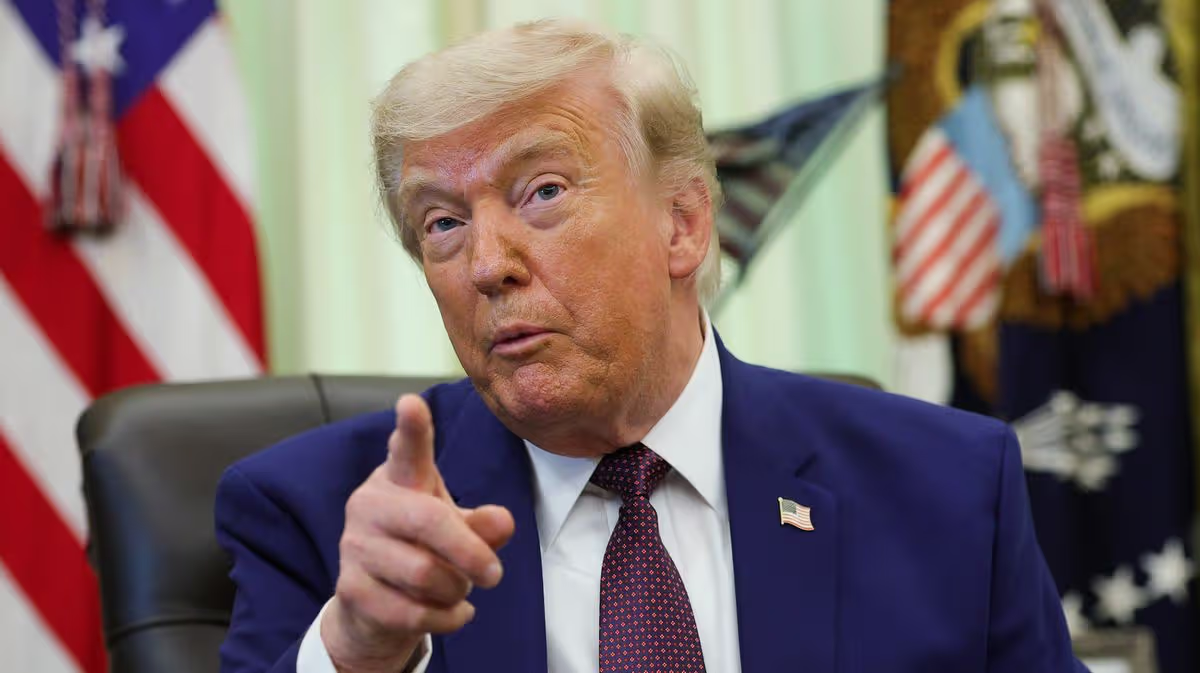
Meanwhile, across the Atlantic, the surreal theater of U.S. presidential politics provides a stark contrast. Former President Donald Trump found himself in a familiar cycle of posting and then backpedaling after a social media video surfaced that appeared to depict him with a stylized, Christ-like halo. The subsequent scramble to distance himself from the imagery led us to dig through the political archives, recalling the classic, often laughable excuses politicians have used throughout history. From blaming overzealous interns and mysterious hackers to claiming posts were “taken out of context” or were mere “social media experiments,” the playbook for digital damage control is well-worn. These episodes, while seemingly trivial, underscore the profound challenges of authenticity, accountability, and spectacle in the age of viral content and permanent campaigning.
On a lighter, yet passionately contested note, the so-called “halloumi wars” continue to simmer. This delicious conflict centers on the protected designation of origin for the iconic Cypriot cheese, a matter of national pride, economic interest, and culinary identity. The debate isn’t just about cheese; it’s about cultural heritage, trade regulations, and the very real economic impact on local producers. Our co-host Ryan Heath is ready to weigh in with his own “cheesy” take on the matter, reminding us that even within the grand arena of geopolitics, the EU must also make room for disputes that, while less explosive, are deeply felt and symbolically rich. These issues highlight the daily work of the Union in harmonizing regulations and protecting the interests of its diverse member states.
What ties these disparate threads together is the multifaceted reality of modern governance and diplomacy. At the highest level, leaders are forced to navigate an unending series of external shocks, from regional wars to global economic tremors. Simultaneously, they must nurture the patient work of building alliances and shaping a positive, collective future, as seen in the Stubb-Carney initiative. All of this plays out under the unforgiving glare of a digital public square, where a political message can be a meme, a gaffe, or a diplomatic incident in seconds. And beneath it all run the constant, detailed negotiations over everything from budgetary allocations to the rightful home of a beloved cheese.
We are keen to hear your thoughts on these converging stories. Which issue do you believe should truly dominate the EU’s agenda? Are alliances of pragmatic centrists the key to stabilizing transatlantic relations? How should leaders navigate the pitfalls of the online world? Do you have a side in the halloumi debate? Share your questions and perspectives with us; your insights help ground these discussions in the real-world concerns and curiosities of our audience.