




Of course. Here is a humanized and expanded summary in 6 paragraphs, adhering to the requested structure.
The air fryer has cemented its place as a true kitchen hero in British homes, joining the ranks of the humble kettle and microwave as an essential appliance. With an estimated two-thirds of UK households now owning one, its appeal is undeniable. For many, it’s not just a supplementary gadget; it has transformed weeknight cooking, with a significant number of owners using it more than their main oven and some abandoning their conventional oven entirely. Its promise of faster, more energy-efficient meals with a satisfying crisp has captured our collective imagination. Yet, as with any beloved tool that sees daily use, there comes the inevitable, less glamorous task of maintenance. The very features that make it a success—its high heat and compact design—also mean that cleaning it correctly is not just about hygiene, but about safety and preserving the appliance’s life.
This necessity has spawned a whirlwind of dubious “cleaning hacks” across social media, promising effortless, sparkly results. Among the most alarming is the suggestion to fill the drawer with soapy water and run the appliance. This is profoundly dangerous and should be avoided at all costs. Introducing large amounts of liquid to a live electrical heating element is a recipe for disaster, posing serious risks of electrical short-circuits, damaging the internal components beyond repair, or even sparking a fire. These viral shortcuts confuse convenience with carelessness, tempting users with a quick fix that could ultimately lead to a costly replacement or a hazardous situation in the heart of the home. It’s a stark reminder that when it comes to electrical appliances, the path of least resistance is often the most risky.
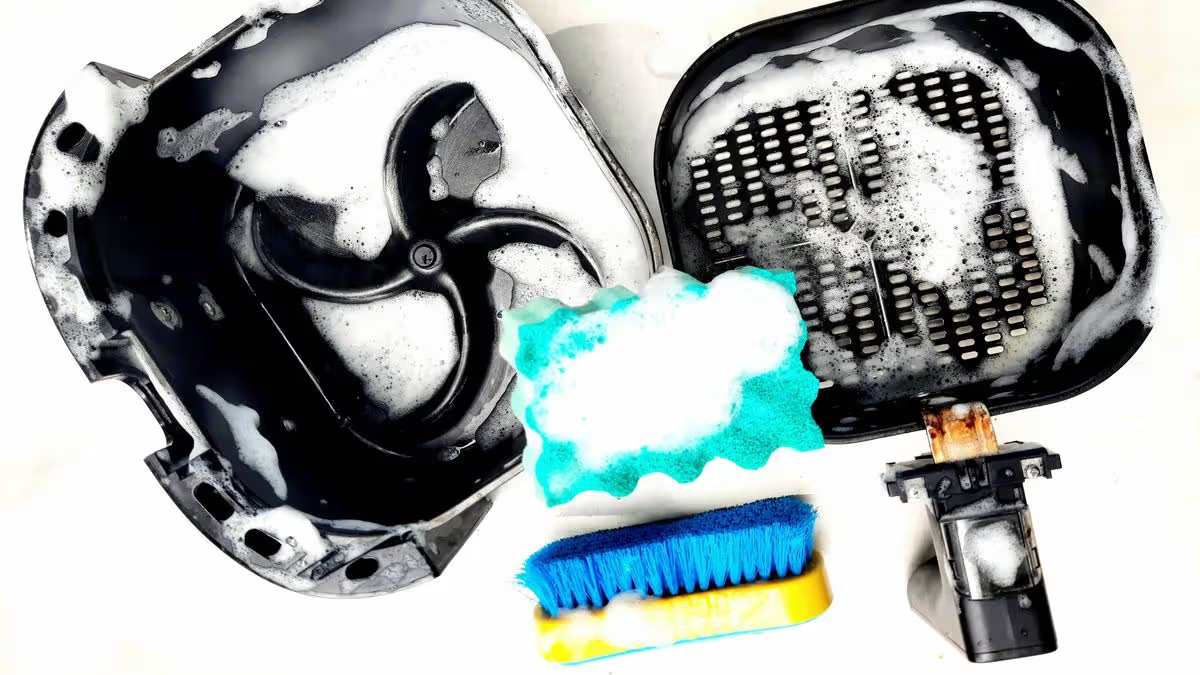
So, what is the right way? According to experts like those at Which?, the best approach is refreshingly straightforward and hinges on consistency rather than clever tricks. The golden rule is to clean your air fryer after every use. While this might sound demanding, it actually requires the least effort over time. Begin by always unplugging the appliance and allowing it to cool completely. However, don’t leave it so long that food residues and oils solidify into a cement-like state. Once cool, start by mopping up any pooled oil or grease with a paper towel—this simple step prevents it from washing down and potentially clogging your kitchen pipes. The core of the cleaning process is as traditional as it gets: a sink of warm, soapy water. Gently washing the basket and tray with a soft sponge or cloth effectively removes food particles without causing harm.
A few critical “don’ts” accompany this simple routine. Firstly, resist the temptation to place the air fryer basket in the dishwasher, even if the manual suggests it might be safe. The intense heat and powerful jets of a dishwasher can gradually degrade the vital non-stick coating on the basket over many cycles, leading to premature wear and poorer cooking performance. Secondly, avoid abrasive tools like metal scouring pads or harsh scrapers at all costs. Using these on stubborn, baked-on grime can permanently scratch the non-stick surfaces and the heating element itself. Scratches on the coating can cause food to stick worse in the future, while damage to the element can create safety hazards and uneven cooking. For stubborn spots, a bit of gentle soaking and a soft-bristled brush, like an old toothbrush, is a far safer bet.
Beyond the daily wipe-down, your air fryer deserves a monthly deep clean to ensure it operates at its best and safest. This involves carefully checking and cleaning the interior cavity of the appliance, where splatters of grease and tiny food particles can accumulate on the walls and around the heating element. With the appliance unplugged and cool, use a damp cloth to wipe the interior. For the heating coil, a damp cloth draped over a non-metal utensil can be used for gentle wiping, or that trusty old toothbrush can help dislodge any debris. The key here is to be gentle and to avoid using excessive water near the electrical components. This regular maintenance prevents the build-up of old grease, which can not only create unpleasant smoke and odours during future cooking sessions but also becomes a fire risk over time.
Finally, where you place your air fryer while in use is a crucial part of safety that complements a good cleaning routine. Nottinghamshire Fire and Rescue Service has urgently warned against placing air fryers under kitchen cabinets, in tight corners, or too close to other appliances and flammable materials like tea towels or wooden utensil holders. The intense, concentrated heat they emit upwards and from the rear vent requires ample space for airflow to prevent overheating. In just ten months, their service attended nine fires directly caused by air fryers, highlighting that proper use is as important as proper cleaning. By combining consistent, gentle cleaning with mindful placement and operation, we can ensure this beloved gadget remains a source of convenient, crispy joy for years to come, rather than a hidden hazard.