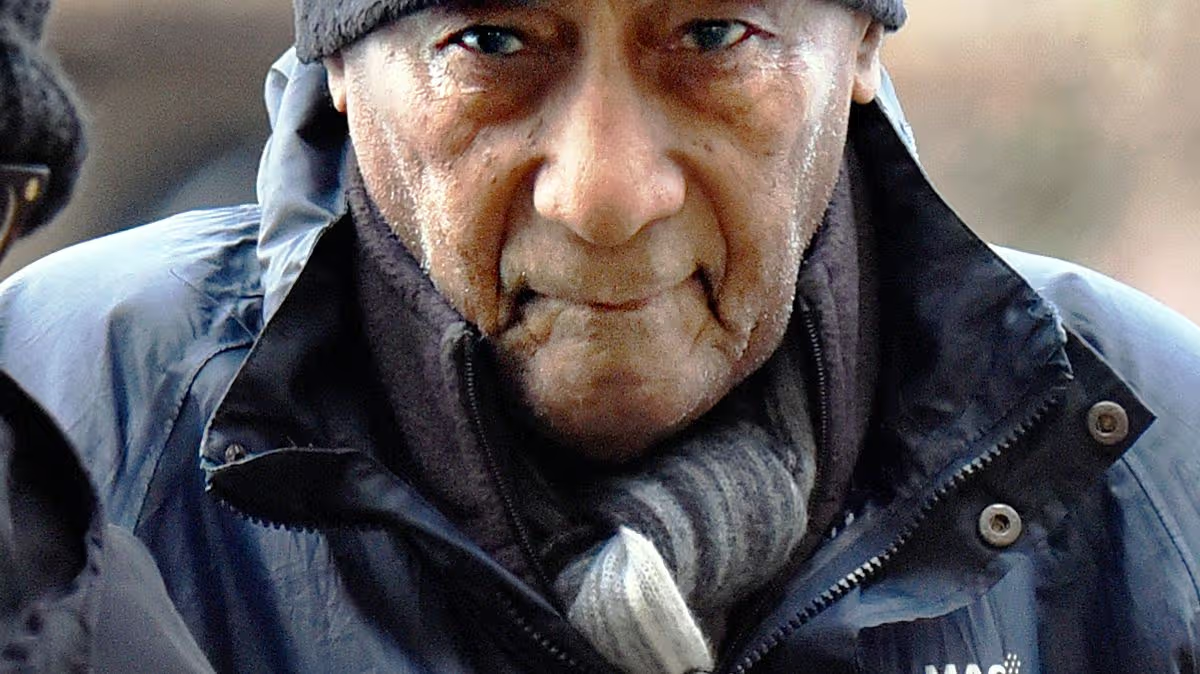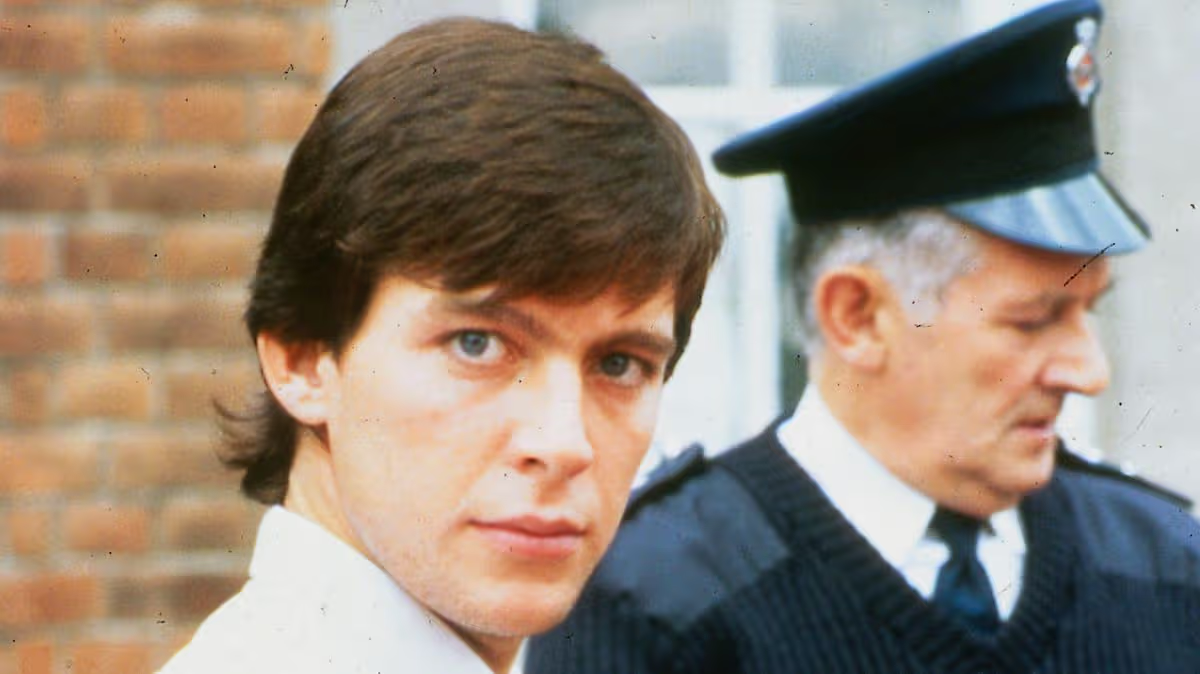




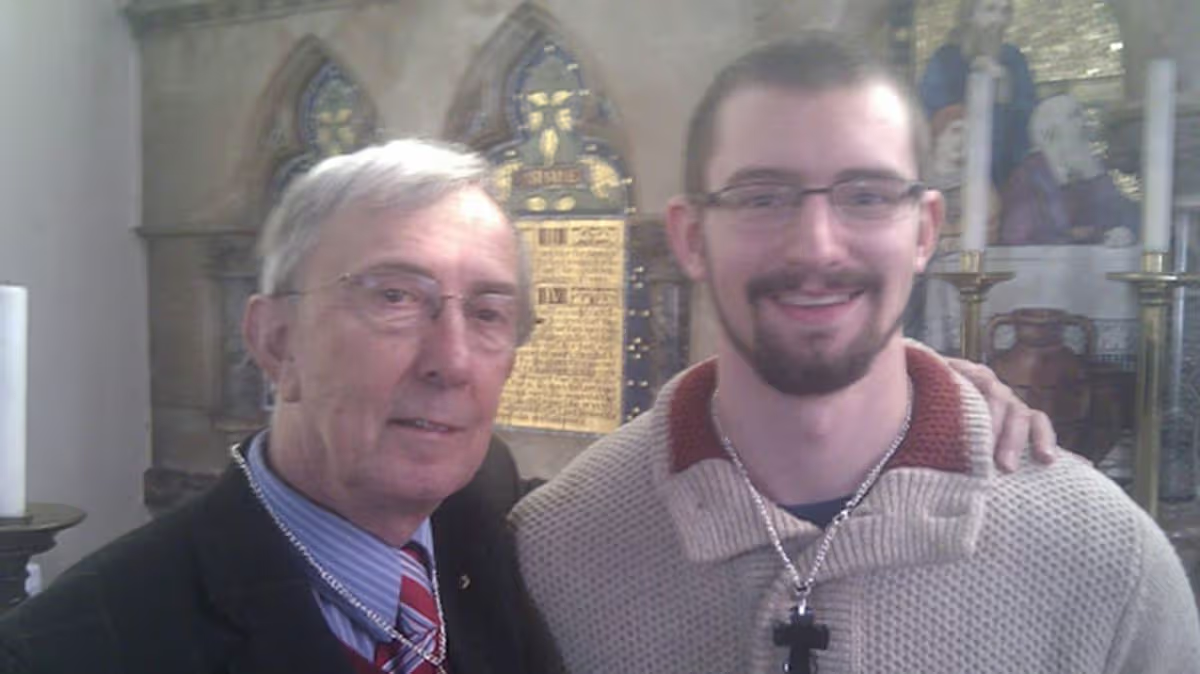
In a stunning legal reversal, the murder conviction of Benjamin Field, a former church warden serving a life sentence for the murder of 69-year-old university lecturer Peter Farquhar, has been overturned by the Court of Appeal. The case, which captivated public attention and was later dramatized in the BBC’s critically acclaimed series “The Sixth Commandment,” has taken an unexpected turn seven years after Mr. Farquhar’s death and five years after Field’s initial conviction. On Thursday, three senior judges quashed the 2019 conviction and ordered a retrial, introducing a profound new layer of complexity to a story already steeped in themes of manipulation, betrayal, and tragic vulnerability.
The original trial painted a harrowing picture of calculated evil. Prosecutors successfully argued that Field, a seemingly devout and charming young man, had insinuated himself into the life of the retired, lonely academic with a sinister long-term plan. The crown alleged that Field feigned a romantic relationship and even participated in a betrothal ceremony with Mr. Farquhar, all while orchestrating a campaign of psychological torture. He was convicted of secretly administering drugs and spiking the lecturer’s whisky to induce confusion and suicidal despair, aiming to make Mr. Farquhar’s eventual death in October 2015 appear as a suicide or accident, thereby inheriting his victim’s house and savings. The jury found Field guilty of murder and he was sentenced to serve a minimum of 36 years.
However, the foundation of that conviction has now been called into question. The case was referred to the Court of Appeal by the Criminal Cases Review Commission, an independent body that investigates potential miscarriages of justice. During hearings in March, Field’s legal team mounted a forceful challenge to the core narrative of coercion. They argued there was “no evidence” that Peter Farquhar had been “forced or deceived” into consuming the whisky or medication that contained the drugs. This argument strikes at the heart of the prosecution’s theory of murder, suggesting an alternative interpretation of events in the lead-up to Mr. Farquhar’s death.
The ruling by Lord Justice Edis, Mr. Justice Goose, and Mr. Justice Butcher acknowledges the substantial weight of this argument, finding it sufficient to render the original conviction unsafe. In a further highly unusual procedural move, the judges also announced they would allow the Crown Prosecution Service to seek permission to appeal this very decision to the Supreme Court before any retrial is staged. This creates a suspended reality for all involved—the prosecution seeks to reinstate the murder conviction at the highest court, while the defense prepares for the possibility of arguing the entire case anew before a fresh jury.
This development is emotionally seismic for all touched by the tragedy, particularly for the family and friends of Peter Farquhar, who must now endure the reopening of a wound they believed had been legally resolved. The dignified and brilliant lecturer, remembered as a kind and passionate teacher, becomes once again a central figure in a contentious legal battle rather than a settled case of justice served. For Benjamin Field, who has consistently denied murder while admitting to fraud related to wills, the ruling offers a fraught path to potential freedom, albeit one that leads first to the uncertainty of either a Supreme Court appeal or a daunting new trial.
Ultimately, the quashing of the conviction transforms a true-crime story into an ongoing legal enigma. It underscores the immense difficulty of proving intent and coercion in cases involving complex interpersonal dynamics and isolated victims. Whether the Supreme Court upholds the appeal or a retrial proceeds, the quest for definitive truth about Peter Farquhar’s final days continues. The human story—of loneliness exploited, trust shattered, and a life brutally cut short—remains painfully clear, even as the precise legal culpability for that loss must now be determined all over again.