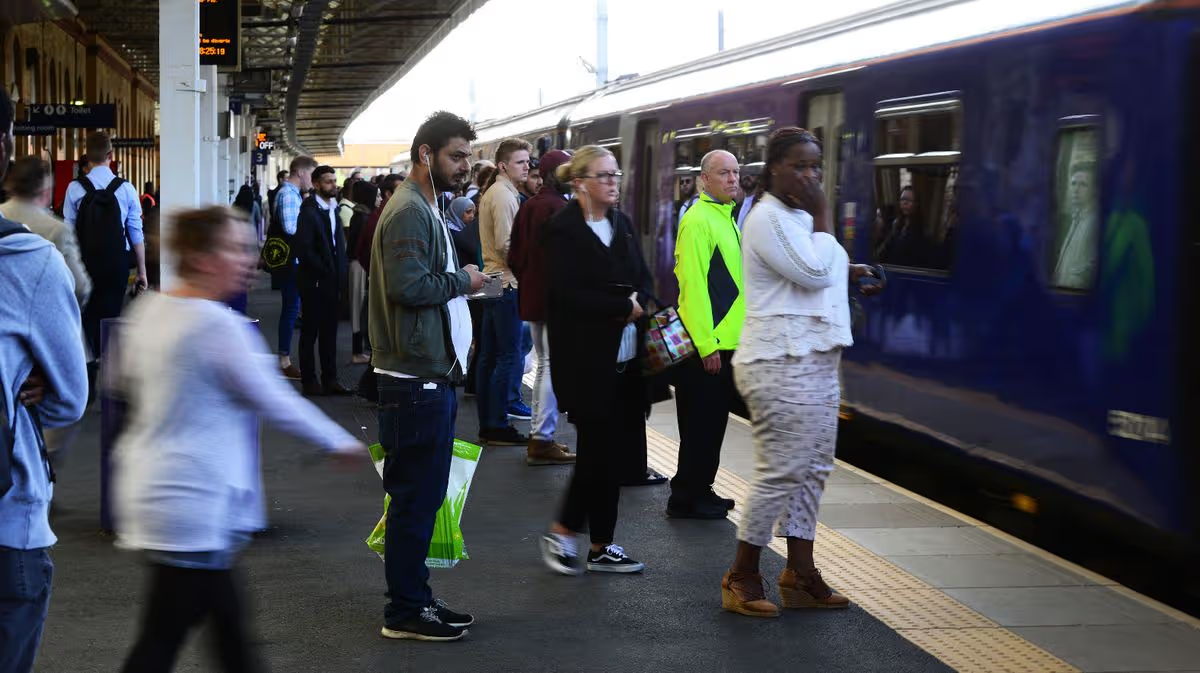



A significant and unexpected disruption has struck rail travellers in the North West of England today, as a crucial transport artery has been abruptly severed. Network Rail, the body responsible for Britain’s railway infrastructure, has confirmed the immediate and necessary closure of the Sough Tunnel, the vital underground passage that connects the towns of Blackburn and Bolton. This is not a minor signal failure or a temporary delay; it is the complete shuttering of a key piece of infrastructure, effectively halting all passenger services that rely on this critical link. The decision, while disruptive, stems from an overriding priority: passenger and worker safety. Engineers have been dispatched to conduct a thorough and urgent inspection of the tunnel’s structure, indicating that concerns have been raised that require immediate attention before any more trains can safely pass through.
The impact of this closure is profound and far-reaching, creating a cascade of inconvenience for countless individuals. Commuters who rely on this line for their daily journey to work, students travelling to college, and families with weekend plans now find their routines upended. The railway line is expected to remain closed for the entirety of the day, a substantial period that will test the patience and resilience of the travelling public. Network Rail has extended a sincere apology to all those caught up in this unforeseen event, acknowledging the frustration and disruption this essential engineering work inevitably causes. This apology is coupled with a request for understanding, thanking passengers for their patience as the complex and critical checks are carried out beneath the ground, out of sight but fundamentally important to everyone’s safety.
In response to the standstill on the rails, a contingent effort has been swiftly mobilised to keep the region moving, albeit at a slower pace. Rail replacement bus services have been activated, operating between affected stations to provide a lifeline for stranded passengers. While these buses cannot match the speed or capacity of a train service, they represent a vital bridge, ensuring people are not left completely stranded. Passengers are being advised to anticipate significantly longer journey times and potential crowding, as the road network now absorbs the burden of the railway’s temporary absence. This logistical switch is a standard but challenging procedure, aiming to soften the blow of the closure and provide a tangible, if imperfect, alternative for those who must travel today.
For anyone considering a journey on this line, the advice from authorities is unequivocal: plan ahead with extreme care. The official and most reliable source for live travel information is the National Rail website, where the status of the line will be updated in real time as engineers assess the situation within the tunnel. Checking this resource before setting out is not merely a suggestion; it is an essential step to avoid a wasted trip to a closed station. The situation remains fluid, and the promised timeframe of “most of the day” is an estimate, subject to change based on what the inspection reveals. Therefore, maintaining a flexible mindset and allowing for substantial extra time is the most prudent approach for any essential travel in the area.
The core of this disruption lies in the silent, unseen world of railway engineering. Sough Tunnel, like all such structures, is subject to immense physical pressures and requires meticulous, ongoing maintenance. The decision to close it for an emergency inspection is never taken lightly, as the ripple effects are fully understood. It indicates that the engineers and controllers have received data or spotted signs that necessitate a hands-on, detailed examination. This could relate to the integrity of the brickwork, drainage issues, or the stability of the surrounding earth. The work being done today, while causing surface-level hassle, is a profound act of preventative care—a necessary intervention to ensure the long-term reliability and, above all, the safety of this transport link for thousands of passengers in the months and years to come.
Once the teams inside the tunnel complete their meticulous checks, a clearer picture will emerge. Network Rail has committed to sharing further information at that point, which will outline the findings and, crucially, the path forward. This will determine whether the tunnel can reopen promptly or if more extensive repairs are immediately required, potentially prolonging the disruption. For now, the community serviced by this line is unfortunately bound together in a day of shared inconvenience, reliant on buses and their own adaptability. The incident serves as a stark reminder of the complex, aging infrastructure that hums beneath our daily lives and the critical, often thankless, work required to keep it safe and functional, even when that means bringing it to a temporary halt for the greater good.