


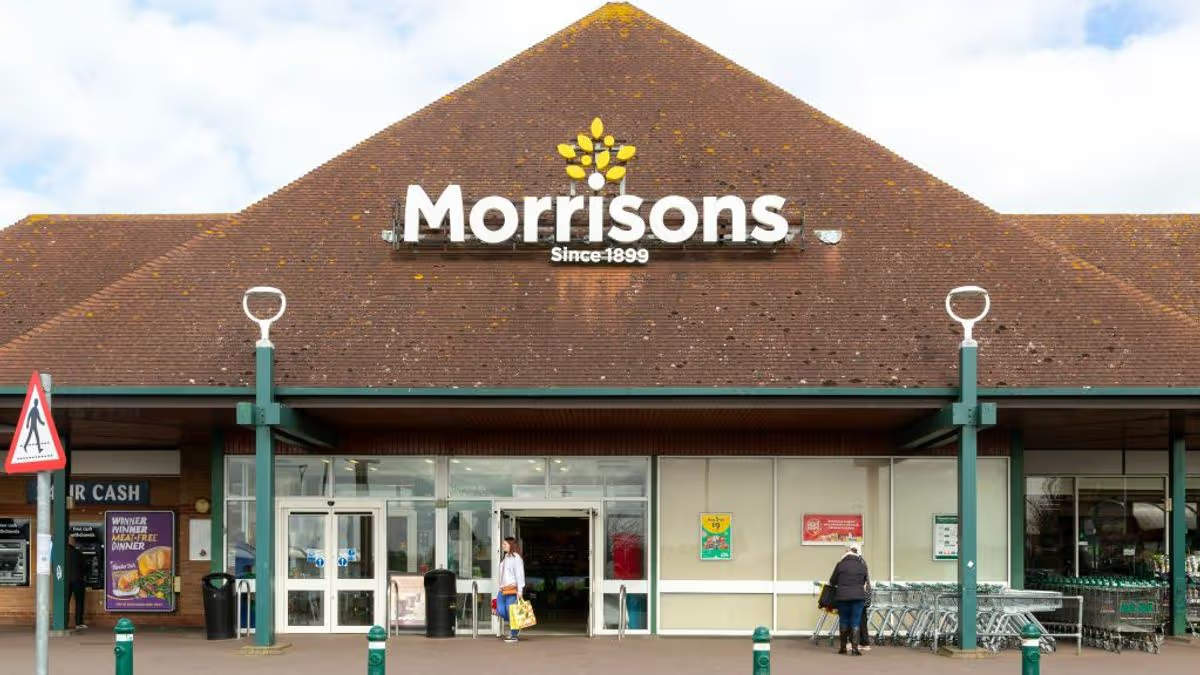
In an innovative partnership aimed at public health, the supermarket chain Morrisons has launched a first-of-its-kind initiative in collaboration with the NHS. Throughout this month, shoppers will begin to notice a subtle but significant change on the packaging of several Morrisons own-brand bath and shower products. Instead of just vibrant images and product descriptions, these everyday items will now carry clear, encouraging messages like “be body aware” and “know the signs of cancer.” This initiative, a supermarket first, is designed to seamlessly integrate vital health reminders into the daily routines of millions. By placing this information directly on products people use while washing, the campaign transforms a private moment of self-care into a potential opportunity for early health detection, empowering customers to become more familiar with their own bodies.
The core purpose of this collaboration is to encourage early cancer detection by normalizing the act of checking for symptoms. As Professor Peter Johnson, National Clinical Director for Cancer at NHS England, explains, the campaign is about turning an everyday routine into a simple health check. The messaging is intentionally gentle and reassuring, reminding people that while most unusual signs won’t be cancer, finding it early when it is can make all the difference. The specific symptoms highlighted are those one might naturally notice while bathing or showering, such as a new lump or swelling anywhere on the body, unexplained skin changes, persistent aches, or unusual bruising. This direct yet non-alarmist approach seeks to reduce fear and hesitation, making it more likely that someone will contact their GP practice with a concern.
This new wave of health-conscious packaging will appear on nine products within Morrisons’ popular own-brand range, including items like the Muscle Soothe Sea Minerals bath soak, Tingly Mint Shower Gel, and Lavender and Water Lily Herbal Bath. The messages will be visible both in the aisles of approximately 450 physical stores and on digital storefronts online, ensuring wide reach. The initiative builds upon a successful precedent set just last year, when Morrisons partnered with the NHS to feature advice on checking for breast and testicular cancer on its Nutmeg-branded underwear. This continuity demonstrates a committed, long-term strategy from both the supermarket and the health service to embed life-saving information into the fabric of everyday consumer life.
The rationale behind choosing bath and shower products is deeply practical and psychological. These are moments of privacy and routine where individuals are most likely to notice subtle changes in their own bodies. By linking the advice to this specific context, the campaign makes the action step feel immediate and relevant. The NHS notes that other important symptoms people should be aware of extend beyond what might be seen in the shower, including persistent heartburn or bloating, changes in bowel or bladder habits, unexplained bleeding, night sweats, extreme tiredness, or a lasting cough. The packaging serves as a gateway to this broader awareness, directing worried individuals to the full resources available on the NHS website or to a conversation with their doctor.
Government officials have praised the partnership as a powerful example of cross-sector cooperation for public good. Public Health Minister Sharon Hodgson commended the move as a simple but powerful way to build a healthier Britain, where business and the NHS work hand-in-hand. David Scott, Corporate Affairs Director at Morrisons, echoed this sentiment, expressing pride in the partnership and emphasizing the supermarket’s role in helping the NHS reach as many people as possible. The underlying belief is that corporations have a responsibility and a unique platform to contribute to societal well-being, and that public health messages can be effectively disseminated through the trusted, everyday touchpoints of shopping.
Ultimately, this initiative represents a quiet revolution in health communication. It moves cancer awareness out of clinic posters and into the domestic space, meeting people where they already are. It reframes a daunting topic into a manageable part of a daily ritual, emphasizing vigilance without panic. As shoppers reach for their favorite shower gel or bath soak, they are now met with a reminder of their own agency in health monitoring—a small nudge that has the potential to spark a crucial conversation with a GP. In this blend of commerce and care, a routine shopping trip and a simple shower become intertwined with the profound possibility of early intervention and saved lives.