



Of course. Here is a humanized and expanded summary of the content, structured into six paragraphs as requested.
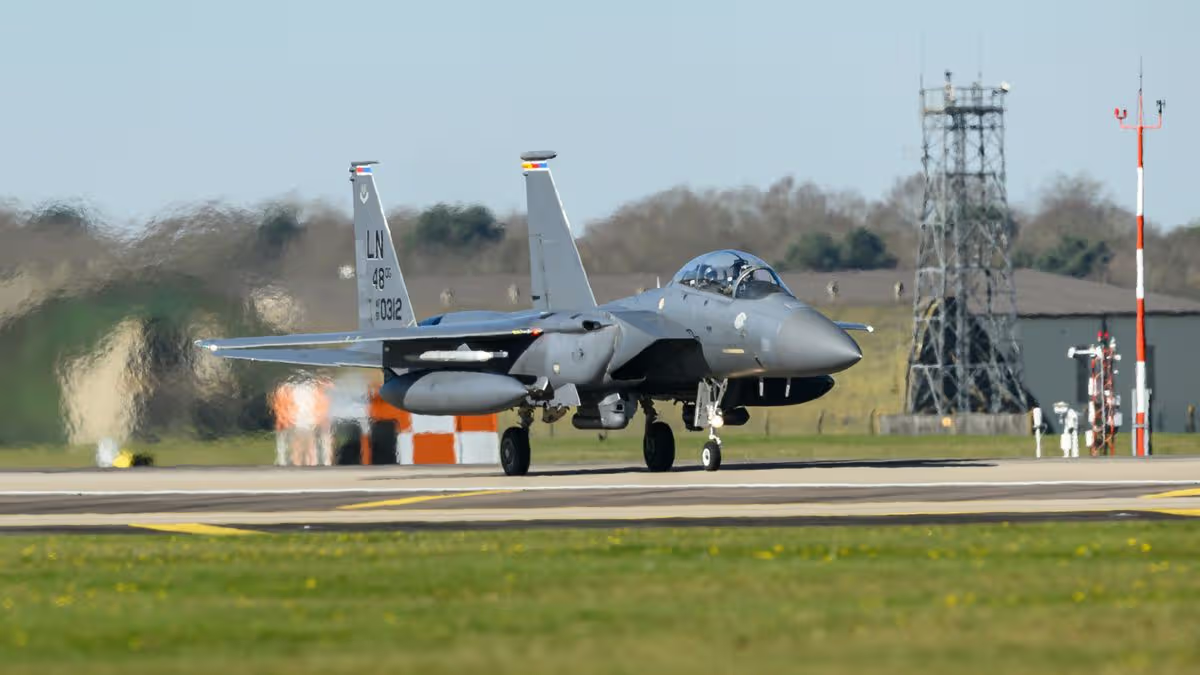
The rhythm of a military base is one of controlled, predictable routine, a symphony of training schedules, maintenance checks, and the distant roar of jet engines. This orderly atmosphere at RAF Lakenheath, a crucial hub for the U.S. Air Force’s 48th Fighter Wing in Suffolk, England, was abruptly fractured just before 8 a.m. today. In a moment, the mundane transformed into a high-security incident, plunging the vast installation into an immediate and precautionary lockdown. The trigger was a single, alarming report: an individual, operating a vehicle, had approached one of the base’s access points—specifically Gate 2—and allegedly attempted to gain entry without presenting the proper, verifiable identification required to step onto sovereign, secured ground.
In the face of such a potential breach, protocol and training take instantaneous precedence. The security forces stationed at the gate, whose daily vigilance is often unseen, reacted with swift and decisive precision. Their primary objective was containment and prevention. Before the vehicle could proceed any further into the installation, the physical gate barriers were deployed, a hardened line of defense sliding into place to physically block the path forward. Simultaneously, security personnel moved to intercept and detain the individual, ensuring that not only was entry denied, but that the situation was brought under direct control. This rapid response, measured in moments, highlights the ever-present, layered security that protects such sensitive locations.
The immediate physical threat neutralized, the process of formal custody and investigation began. According to a base spokesperson who addressed the East Anglian Daily Times, the individual was taken into custody by the Ministry of Defence Police. This handover signifies the transition from initial on-site containment to the official judicial and investigative procedures of the host nation. The MoD Police, responsible for policing the Defence estate in the UK, will now lead the inquiry into the individual’s motives, background, and intent. Determining whether this was a case of simple confusion, a deliberate attempt at trespass, or something more sinister is the critical next phase, one that will unfold behind the scenes.
For the thousands of military personnel, their families, and civilian employees who live and work within the confines of RAF Lakenheath, the lockdown represents a palpable disruption. It means halted movements, delayed commutes, and a collective holding of breath until the “all clear” is given. The community inside the wire is reminded of the unique reality of their environment—a home that is also a high-value target, a neighborhood protected by armed force. These incidents, however swiftly resolved, reverberate through the base, reinforcing a shared awareness of the serious stakes involved in safeguarding the advanced aircraft and critical operations housed there.
To the outside world, the incident arrives as a stark, breaking news alert—a brief glimpse into a normally opaque world. For news outlets like The Mirror, which reported the development, the priority is to convey the essential facts as they are confirmed: the where, the when, and the initial how. They serve the public’s right to know about a significant security event in their region, while responsibly acknowledging that details are preliminary. The article’s inclusion of links to follow for future updates underscores the evolving nature of such stories, inviting readers to stay informed as the situation progresses from initial reaction to fuller understanding.
As the lockdown at RAF Lakenheath is presumably lifted and daily operations carefully resume, the event leaves a dual legacy. Externally, it serves as a public reminder of the constant, unseen vigilance maintained at military installations, especially those hosting allied forces and cutting-edge fighter wings. Internally, it will be reviewed as a test of protocols, a validation of training, and a case study for future preparedness. While the individual in custody faces the legal consequences, the base itself will return to its rhythm, its defensive posture subtly reinforced by the morning’s events—a quiet testament to the fact that security is not a static condition, but a continuous, active duty.