



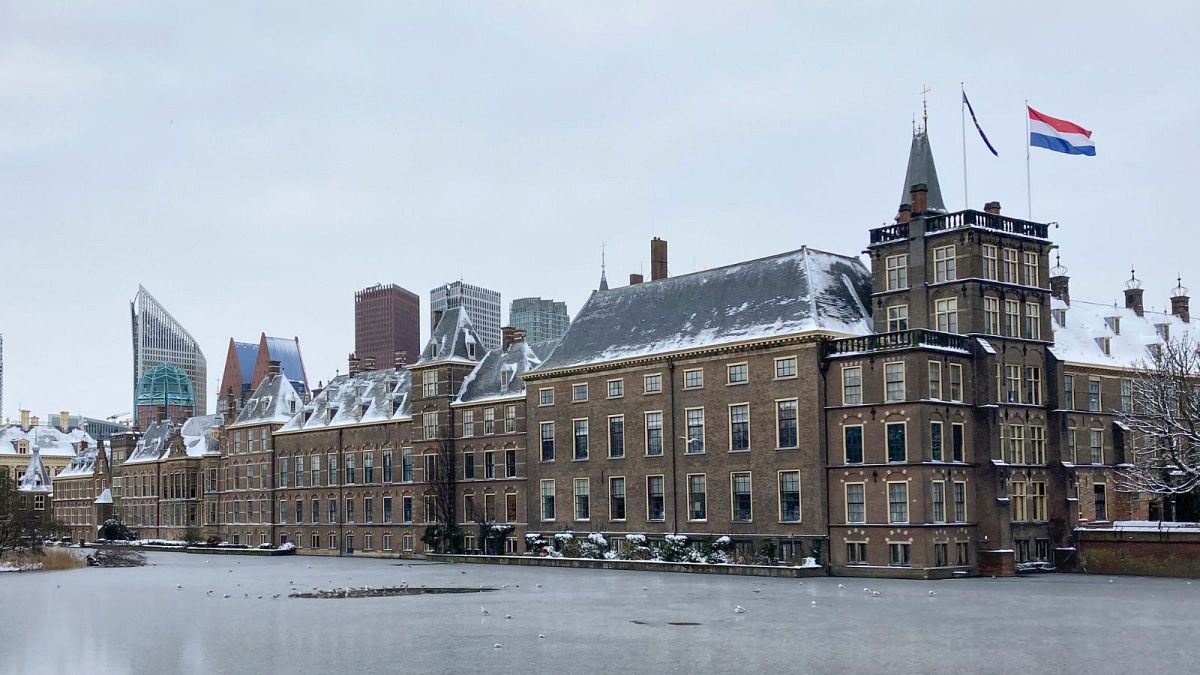
The Netherlands is on the brink of implementing some of Europe’s most stringent asylum regulations, sparking significant debate and raising concerns about their legal feasibility and potential impact on vulnerable populations. The proposed measures, championed by the coalition government, represent a notable departure from existing policies and aim to drastically reduce the influx of asylum seekers into the country. Central to these proposals is a three-pronged approach that distinguishes between refugees based on their reasons for seeking asylum, restricts family reunification, and criminalizes non-cooperation with deportation procedures.
The first pillar of this new framework, the Asylum Emergency Act, proposes to abolish permanent residency permits for refugees. This significant shift would replace permanent status with temporary permits valid for only three years, subject to periodic reviews. This precarious status would create ongoing uncertainty for refugees, potentially hindering their integration and long-term stability within Dutch society. Furthermore, the Act seeks to limit the number of family members permitted to join refugees permanently, potentially separating families and exacerbating the emotional hardship faced by those seeking refuge. This measure raises concerns about the potential violation of the right to family unity, a fundamental principle enshrined in international human rights law. Finally, the Act proposes an expansion of the declaration of undesirability, a measure that effectively bars individuals from entering the Netherlands.
The second proposed law introduces a controversial distinction between asylum seekers based on the nature of their persecution. Differentiating between those fleeing persecution based on ethnicity, sexual orientation, or religion, and those fleeing generalized war and violence creates a two-tiered system. This categorization assumes that those fleeing war and violence will eventually return to their countries of origin, an assumption that may not always hold true given the complex and protracted nature of many conflicts. This differentiation raises concerns about the adequacy of protection afforded to those fleeing generalized violence, who may face significant risks upon return even in the absence of direct persecution. This categorization also raises questions about the practicality of accurately assessing the specific reasons for flight in situations where multiple factors may be intertwined.
The third element of the proposed legislation seeks to criminalize individuals who do not cooperate with deportation procedures. This measure raises concerns about the potential criminalization of vulnerable individuals who may have legitimate reasons for resisting deportation, such as fear of persecution or lack of safe and dignified return options. It also raises questions about the proportionality of such measures and the potential for human rights violations.
These proposed changes have ignited considerable criticism from various quarters, highlighting the contentious nature of the proposed reforms. The Dutch Bar Association, a key stakeholder in the legal system, has expressed strong reservations about the differentiation between asylum seekers and the stricter conditions imposed on family reunification. Their concerns underscore the potential legal challenges and ethical implications of these measures. The Council of State, an independent advisory body, has previously raised concerns about the potential increase in litigation arising from the new rules, further emphasizing the complexity and potential unintended consequences of the proposed changes.
The government’s justification for these stringent measures centers on the need to manage the influx of asylum seekers and ensure the sustainability of the asylum system. They argue that the current system is overburdened and that these measures are necessary to deter unfounded asylum claims and prioritize those most in need of protection. However, critics argue that these measures are disproportionate, discriminatory, and potentially violate international human rights obligations. They argue that the focus should be on improving the efficiency and fairness of the asylum process rather than erecting barriers that prevent vulnerable individuals from accessing protection.
The debate surrounding these proposed changes reflects a broader tension within European societies regarding migration and asylum. As European countries grapple with increasing numbers of asylum seekers, governments face pressure to implement measures that address public concerns while upholding their international obligations. The Dutch government’s proposals represent a particularly hardline approach, raising fundamental questions about the balance between national interests and the protection of human rights.
The fate of these proposed changes remains uncertain. The Council of State’s assessment will be crucial in determining their legal viability, and the ongoing public debate will likely shape the final outcome. The implementation of these measures could have far-reaching consequences for asylum seekers in the Netherlands and set a precedent for other European countries considering similar restrictive policies. The international community will be watching closely as the Netherlands navigates this complex and sensitive issue. The government’s ability to reconcile its stated goals with its human rights obligations will be a critical test of its commitment to international law and the protection of vulnerable populations.