

The Rift Widens: Trump Announces Major Troop Drawdown from Germany Amid Transatlantic Tensions
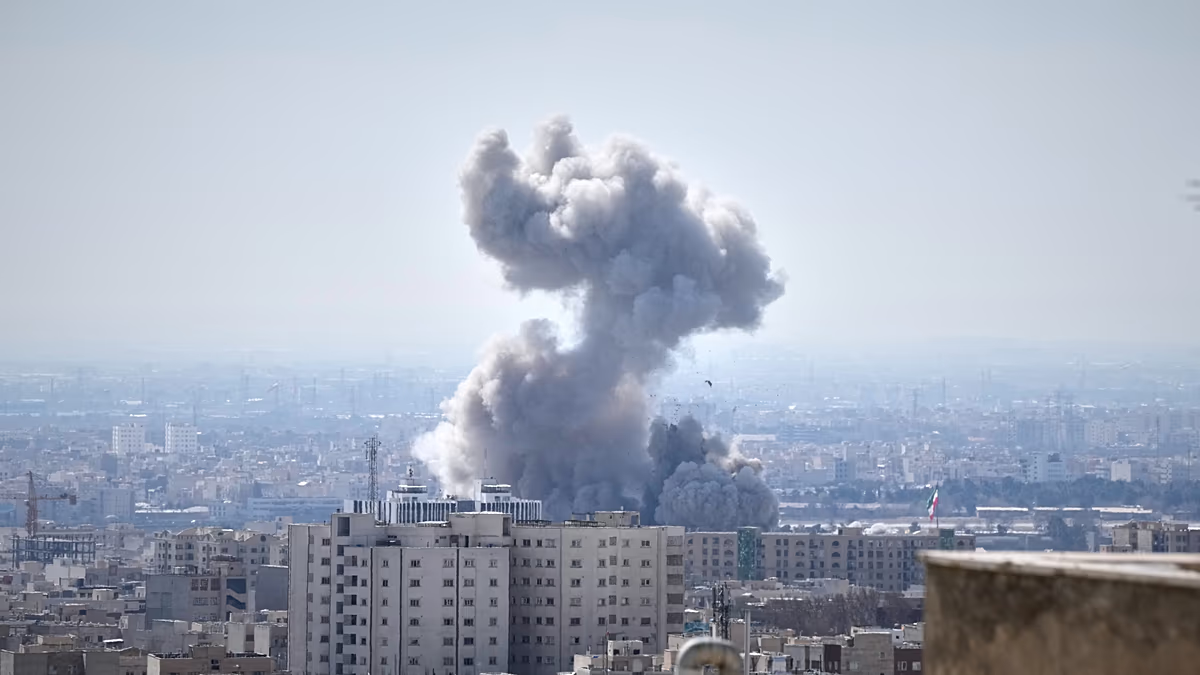
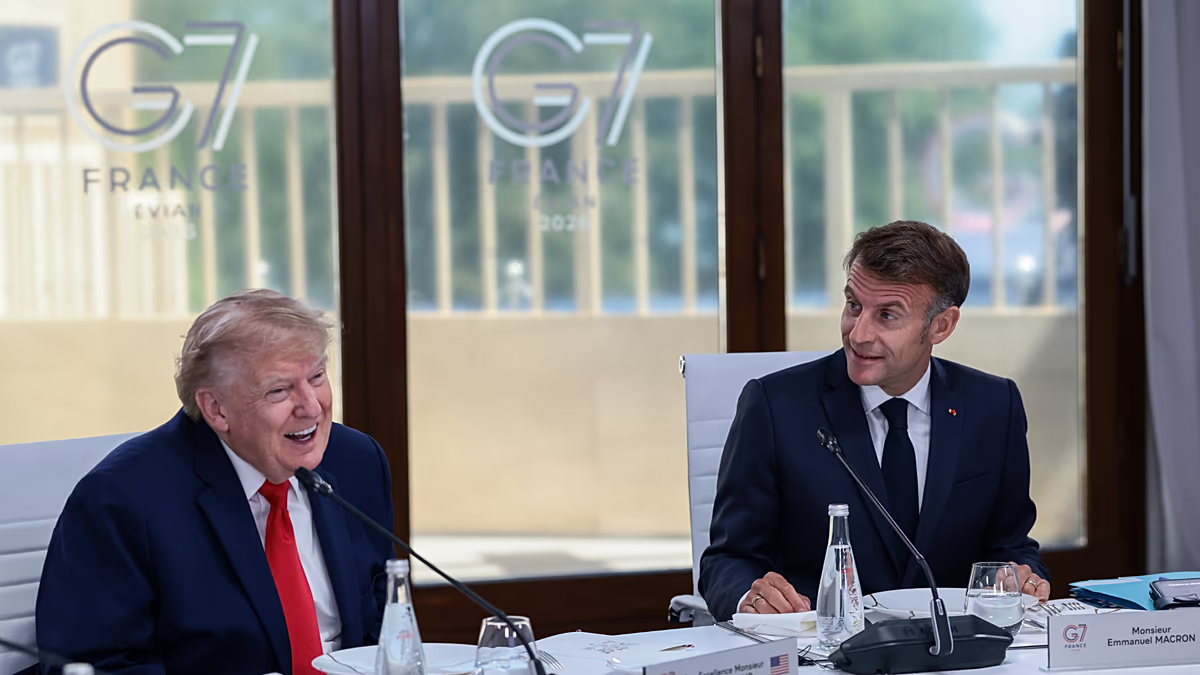
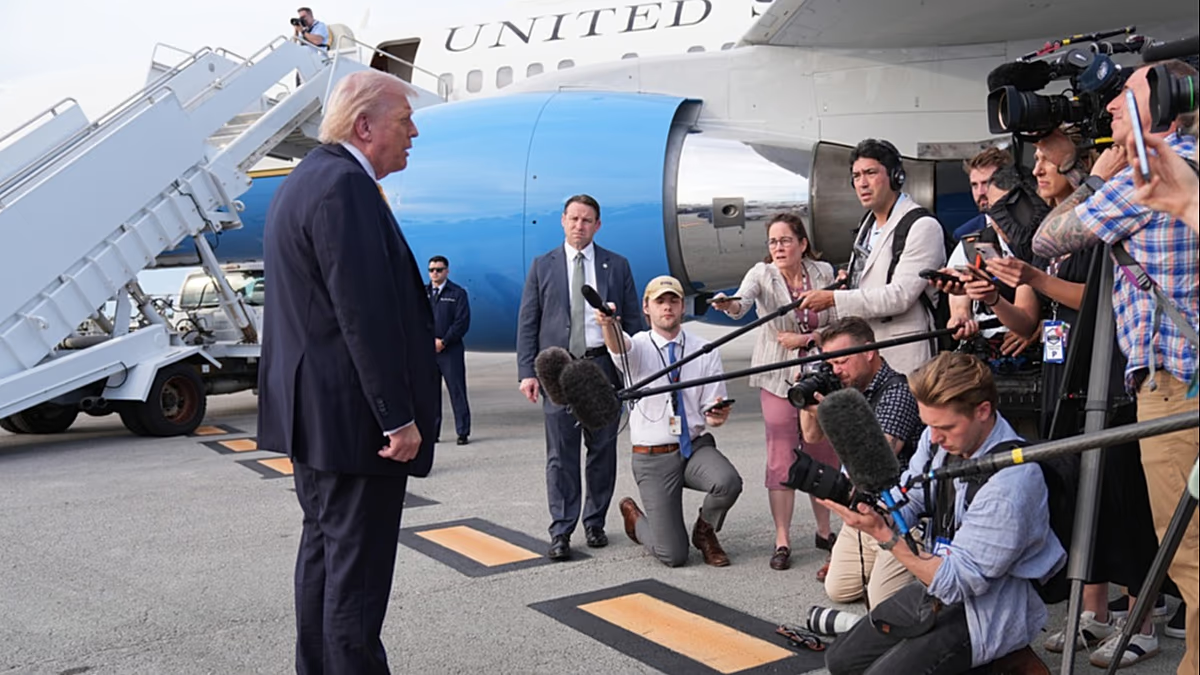
In a move that significantly escalates growing diplomatic friction, former US President Donald Trump announced late Saturday a substantial reduction of American military forces stationed in Germany. This decision, confirmed by the Pentagon to involve an initial withdrawal of 5,000 troops within the next year, marks a concrete step in Trump’s long-standing ambition to scale back US commitments to European security. The announcement follows public criticism from German Chancellor Friedrich Merz regarding the US-Israeli military campaign in Iran, with Merz stating Washington lacked a clear strategy or exit plan. When pressed for details on the troop reduction, Trump offered no specific justification but ominously promised cuts that would go “way down” and far exceed the initial 5,000, signaling a profound shift in the decades-old security partnership between the two nations.
The German government’s public response, led by Defence Minister Boris Pistorius, was one of measured acceptance. Pistorius stated the drawdown had been anticipated for years and underscored a need for European nations to assume greater responsibility for their own defence. However, he carefully balanced this sentiment by emphasising the mutual benefits of the trans-Atlantic alliance, asserting that the US military presence in Germany served both American and European interests. This calibrated reaction suggests Berlin is attempting to manage a recalcitrant ally while preparing for a future where European strategic autonomy becomes less an ideal and more a necessity, even as it braces for the tangible security implications of a diminished US footprint.
Back in Washington, the planned withdrawal triggered immediate and bipartisan concern. Lawmakers from both parties warned that such a move, especially amid Russia’s ongoing war in Ukraine, would send a dangerous signal of American disengagement to President Vladimir Putin. Critics argue that unilaterally pulling troops from a key NATO logistics and command hub like Germany undermines the alliance’s cohesion and defensive posture at a critically volatile time. Trump’s decision appears deeply intertwined with his personal grievances toward European leaders who have declined to support his administration’s hardline stance against Iran, with Merz, Spanish Prime Minister Pedro Sánchez, and British Prime Minister Keir Starmer all facing his ire.
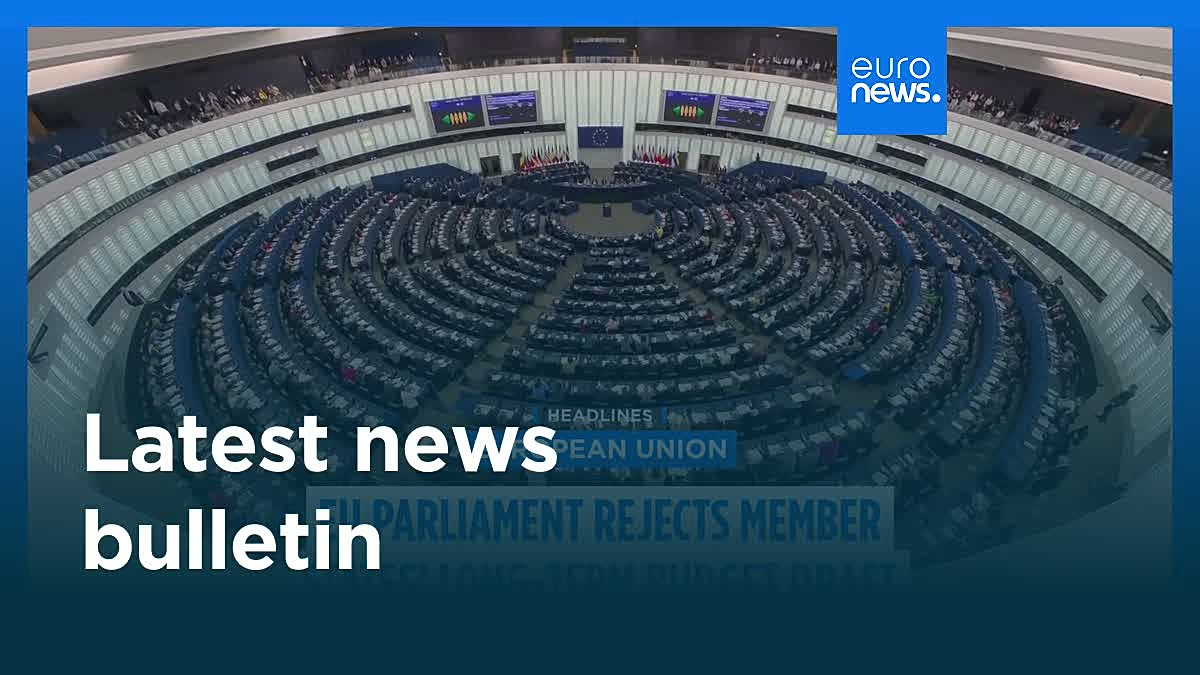
The troop dispute is merely one front in a rapidly widening transatlantic rift. In a simultaneous and economically provocative move, Trump announced plans to raise tariffs on European Union cars and trucks to 25%, a policy that would disproportionately impact Germany’s vital automotive industry. European officials reacted with alarm and frustration, with the EU Parliament’s trade committee chair, Bernd Lange, condemning the action as “unacceptable” and branding the US an “unreliable” trading partner. This one-two punch of military drawdown and threatened trade penalties frames the disagreement not as a simple policy difference, but as a fundamental questioning of the partnership’s value by the American leader, leveraging both security and economic pressure.
The practical implications of the withdrawal are substantial. Removing 5,000 personnel represents about one-seventh of the 36,000 US troops currently stationed in Germany, affecting key bases that have been central to operations for decades. The Pentagon provided scant details on which units or capabilities would be relocated, leaving allies to speculate on the operational gaps that may emerge. Furthermore, Trump hinted at potential future reductions in other allied nations like Italy and Spain, where recent diplomatic clashes over Iran have also occurred. This broader pattern suggests a strategic reorientation, potentially reversing the post-2022 buildup that saw US forces in Europe swell to between 80,000 and 100,000 in response to Russia’s invasion of Ukraine.
Ultimately, this episode crystallises a period of profound uncertainty for NATO and European security. While Berlin indicated it had expected some reduction, the scale and antagonistic context of Trump’s announcement introduces fresh volatility. The convergence of security posturing, trade threats, and personal diplomatic grievances creates a perfect storm that challenges the very foundations of post-war Western alliance structures. As Europe grapples with the reality of a more unilateral and transactional United States, the coming months will test its ability to forge a more independent defence capability while navigating the precarious dynamics of an increasingly fragmented and unpredictable geopolitical landscape.