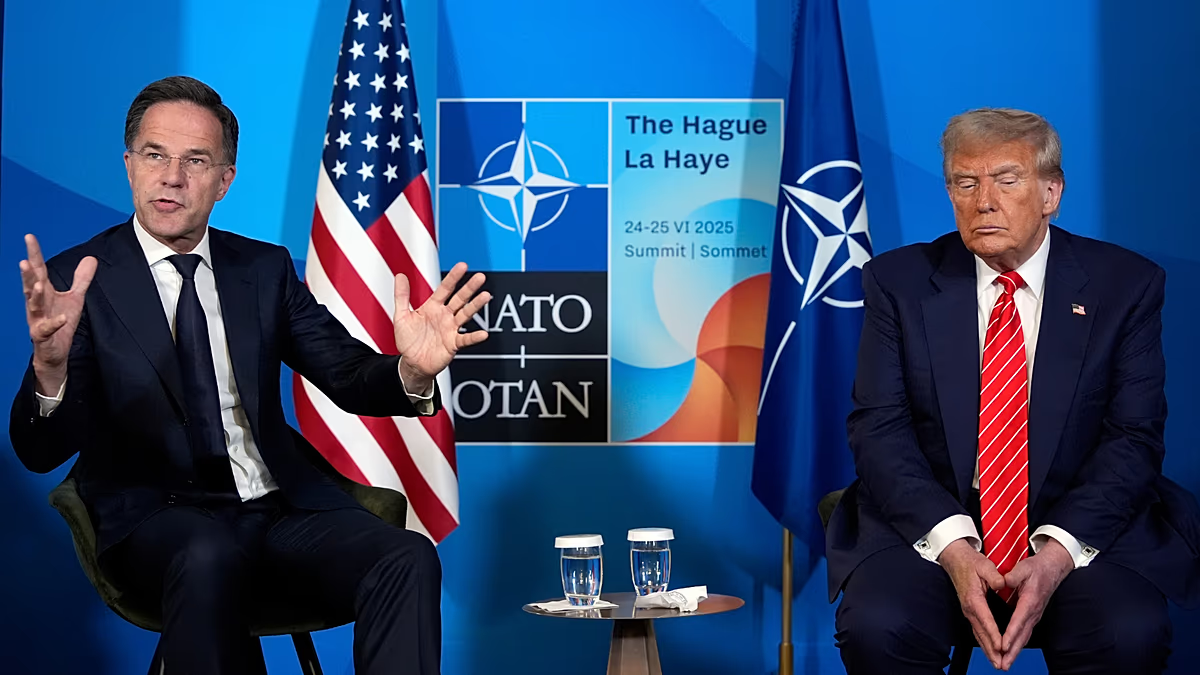



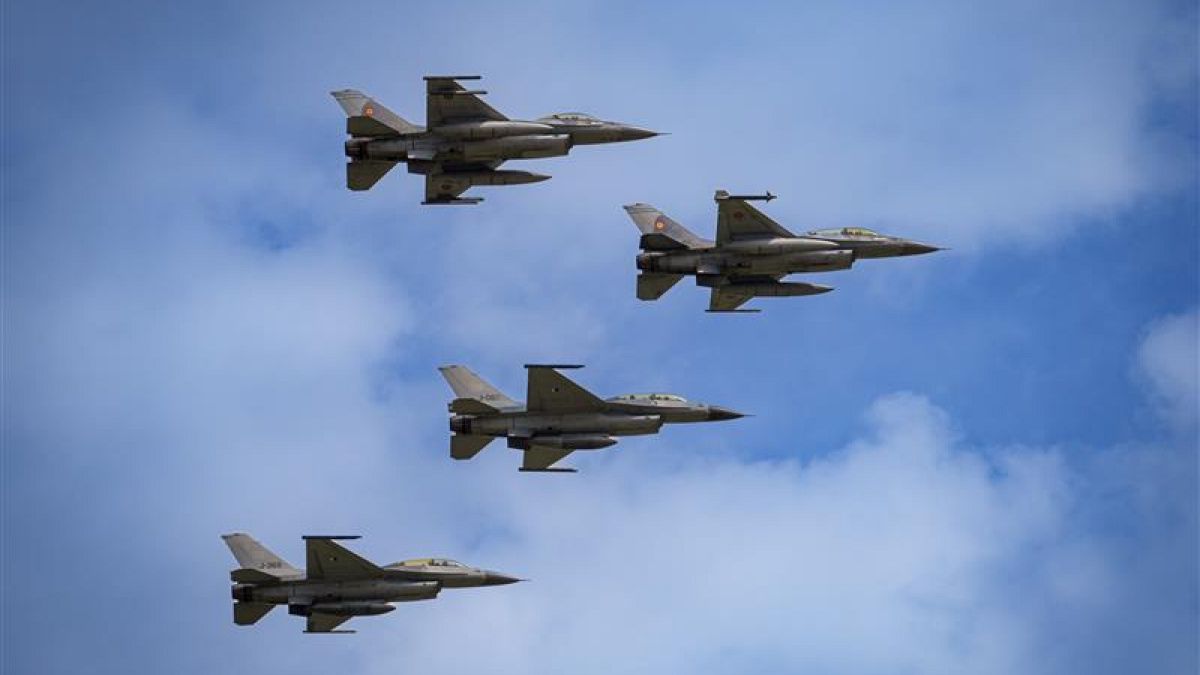
The European Union is navigating a complex challenge in bolstering its defense capabilities while balancing its reliance on foreign suppliers, particularly the United States. The bloc recognizes the imperative to strengthen its transatlantic partnership, especially given the perceived unity among potential adversaries such as Russia, China, Iran, and North Korea. However, the long-term goal is to reduce dependence on external partners and foster a more robust and independent European defense industry. This delicate balancing act is playing out against a backdrop of internal divisions among member states and lobbying efforts from prominent defense companies.
The EU acknowledges the current necessity of non-EU suppliers, particularly the US, in achieving short-term defense objectives. However, the significant influx of defense contracts awarded to companies outside the bloc underscores the urgency of nurturing European industry. Between February 2022 and mid-2023, a staggering 75% of new public defense orders went to non-European suppliers, highlighting the existing dependence and the potential drain on European taxpayer funds if this trend continues unchecked. The EU Commission, while committed to a strong transatlantic relationship, emphasizes the need to justify large defense investments to its citizens by demonstrably fostering European industrial growth and self-reliance.
A central point of contention within the EU revolves around access to new EU defense funds by third-country suppliers. Member states hold differing views on the stringency of conditions for these external partners. While some advocate for greater flexibility to allow access for foreign defense companies, others prioritize bolstering European industry. This divergence of opinion is evident in negotiations surrounding the proposed €1.5 billion European Defence Industry Programme (EDIP). The EU is currently aiming for a requirement that at least 65% of components for funded projects be sourced from within the bloc, a level deemed necessary to effectively support European industry and promote self-sufficiency.
Despite the internal debates, the EU maintains that its approach is not protectionist. The emphasis is on targeted investment in European defense capabilities, not on restricting member states’ individual procurement choices. Countries remain free to procure from any supplier they choose, but EU funds aimed at strengthening European defense will be directed towards projects that prioritize European components. This distinction is crucial in understanding the EU’s strategic approach. The goal is not to isolate or exclude partners, but to create a strong and vibrant European defense ecosystem capable of collaborating effectively with allies while reducing strategic vulnerabilities arising from excessive dependence.
The lobbying efforts by major European defense companies further complicate the situation. A consortium of 28 prominent companies, including industry giants like Airbus, Leonardo, and Rheinmetall, has advocated for prioritizing EU financial support for domestic industries. These companies are pushing for stringent rules of origin requirements, ranging from 65% to as high as 80% in some cases, for projects to receive EU funding. Their arguments center on the need to safeguard and strengthen European industry, ensuring sustained investment and innovation within the bloc. While acknowledging the importance of collaboration with non-EU partners like the UK, they believe that EU funds should primarily benefit the European defense sector.
The ongoing negotiations within the EU represent a critical juncture for the future of European defense. Balancing the need for a strong transatlantic partnership with the imperative of reducing dependence on foreign suppliers is a complex task. The internal divisions among member states, combined with the lobbying efforts of major defense companies, add further layers of complexity. The outcome of these deliberations will significantly shape the European defense landscape, determining the extent to which the EU can achieve both strategic autonomy and effective collaboration with international partners. Striking the right balance will be crucial for the EU’s security and its role in the global arena.