


Paragraph 1: A Wave of Cancellations Disrupts Holiday Plans
As families across the UK and Europe finalize their half-term holiday arrangements for late May, a significant wave of flight cancellations threatens to upend travel plans. Global airlines have announced the cancellation of approximately 13,000 flights scheduled for May, directly impacting the traditional holiday period. According to recent data from aviation analytics firm Cirium, carriers have already removed nearly two million seats from May’s flight schedules in just the past two weeks. This reduction—from 132 million to 130 million available seats globally—signals a challenging start to the peak travel season, leaving many passengers scrambling to adjust their itineraries or seek alternatives.
Paragraph 2: Major Airlines Adjust Schedules Amid Growing Uncertainty
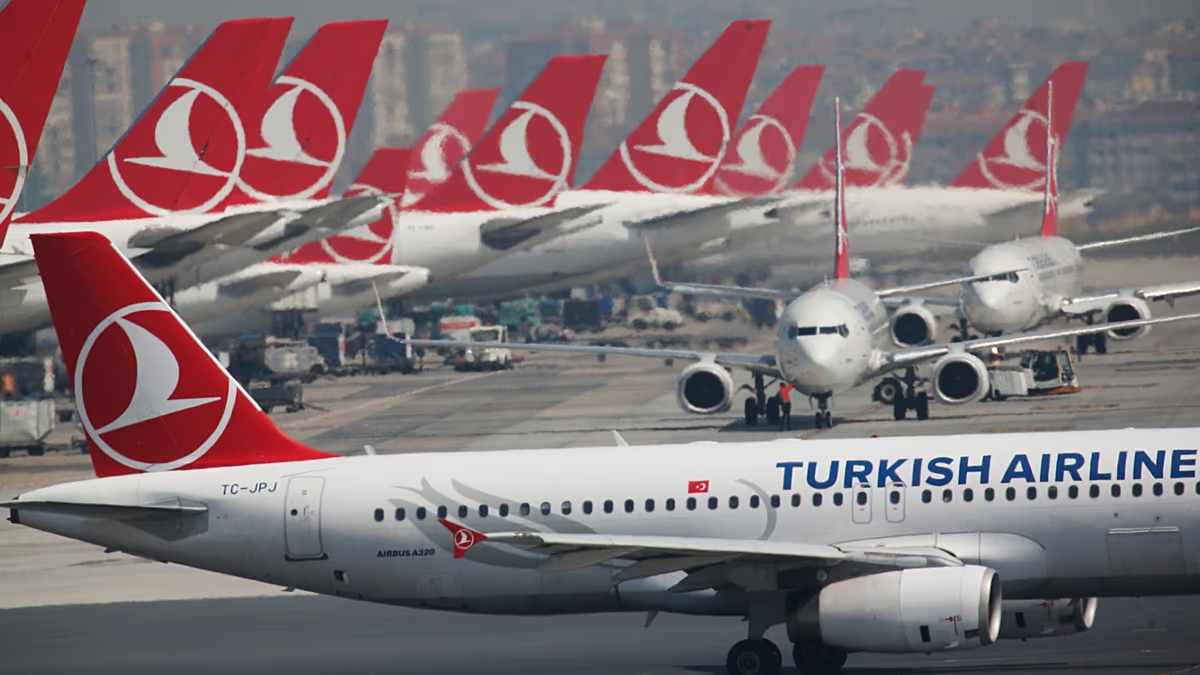
Several prominent European carriers are among those scaling back operations, including Turkish Airlines, Lufthansa, British Airways, and KLM. These cancellations are not isolated incidents but part of a broader trend that could extend well into the summer. While the current figures are concerning, they do not account for the additional disruptions anticipated in the coming months, suggesting that travelers may face further complications. For families who have invested time and resources into planning their getaways, these changes introduce unwelcome stress and uncertainty, potentially transforming what should be a relaxing break into a logistical challenge.
Paragraph 3: Fuel Shortages and Geopolitical Tensions Drive Changes
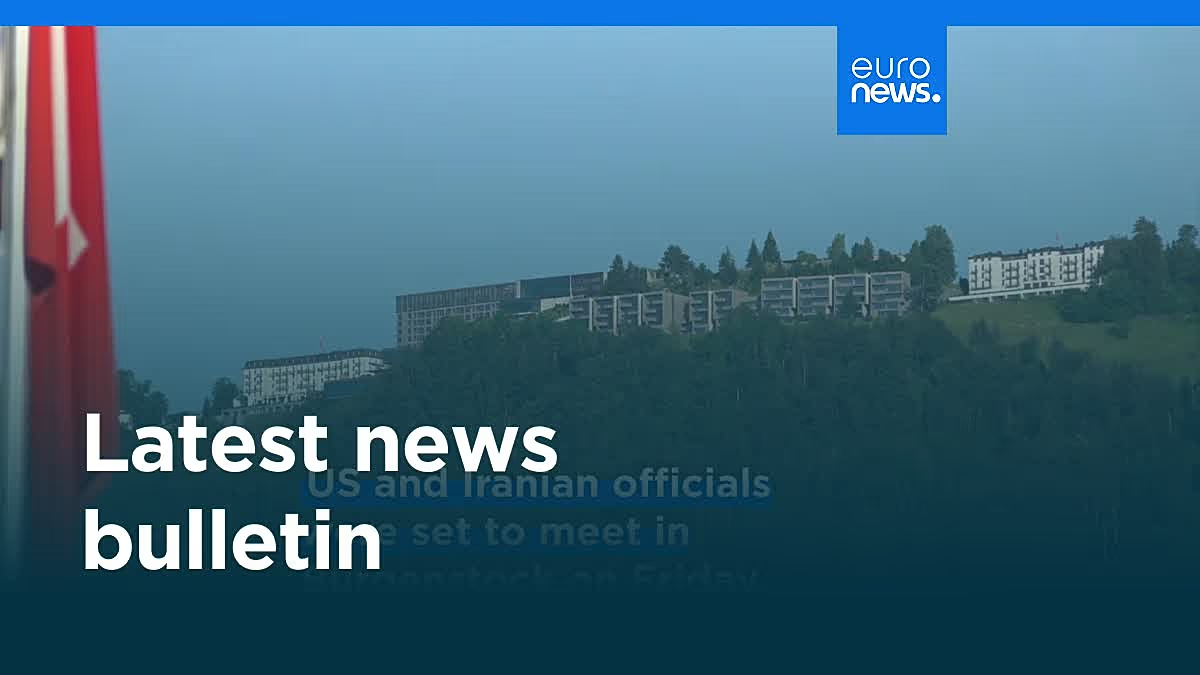
The root cause of these disruptions lies in a deepening jet fuel shortage, largely linked to ongoing conflict involving Iran. Since tensions escalated in February, the cost of jet fuel has more than doubled, partly due to the closure of the Strait of Hormuz—a critical maritime route that typically handles about one-fifth of the world’s oil supply. This shortage has forced airlines to adopt conservation measures, such as switching to smaller aircraft and canceling less profitable routes. Carriers like Lufthansa have been particularly affected, cutting around 20,000 short-haul flights from their summer schedules to manage fuel constraints.
Paragraph 4: Operational Adjustments and Passenger Impacts
In response to these pressures, airlines worldwide are implementing various strategies to navigate the crisis. Many have raised fares on popular routes, fully canceled services on less desirable ones, and continued to deploy smaller planes to conserve fuel. These adjustments, while necessary from an operational standpoint, have tangible consequences for passengers. Even those whose flights are not canceled may experience changes, such as being rebooked onto services on different days, which could shorten their holidays or disrupt carefully planned itineraries. The cumulative effect is a travel environment marked by unpredictability and inconvenience.
Paragraph 5: Regulatory Flexibility and Industry Adaptation
Recognizing the severity of the situation, regulatory bodies have introduced measures to provide airlines with greater flexibility. In the UK, Transport Secretary Heidi Alexander announced the temporary suspension of the “use it or lose it” rule, which typically requires airlines to operate their allocated flight slots or risk losing them to competitors. This change allows carriers like British Airways to reduce flights without penalty, offering some relief as they navigate the fuel shortage. While this adaptation may help airlines manage resources more effectively, it also underscores the scale of the challenge facing the aviation sector this spring and summer.
Paragraph 6: Looking Ahead to a Challenging Summer Season
As the spring progresses into summer, the aviation industry braces for continued turbulence. The current cancellations and seat reductions are likely just the beginning, with further disruptions expected in the coming months. Passengers are advised to stay informed about schedule changes, consider travel insurance, and maintain flexibility in their plans. While the situation presents significant hurdles for both airlines and travelers, it also highlights the interconnected nature of global events and their impact on everyday life. For now, the hope is that stability will return to the skies, but in the interim, patience and preparedness will be essential for anyone planning to travel.