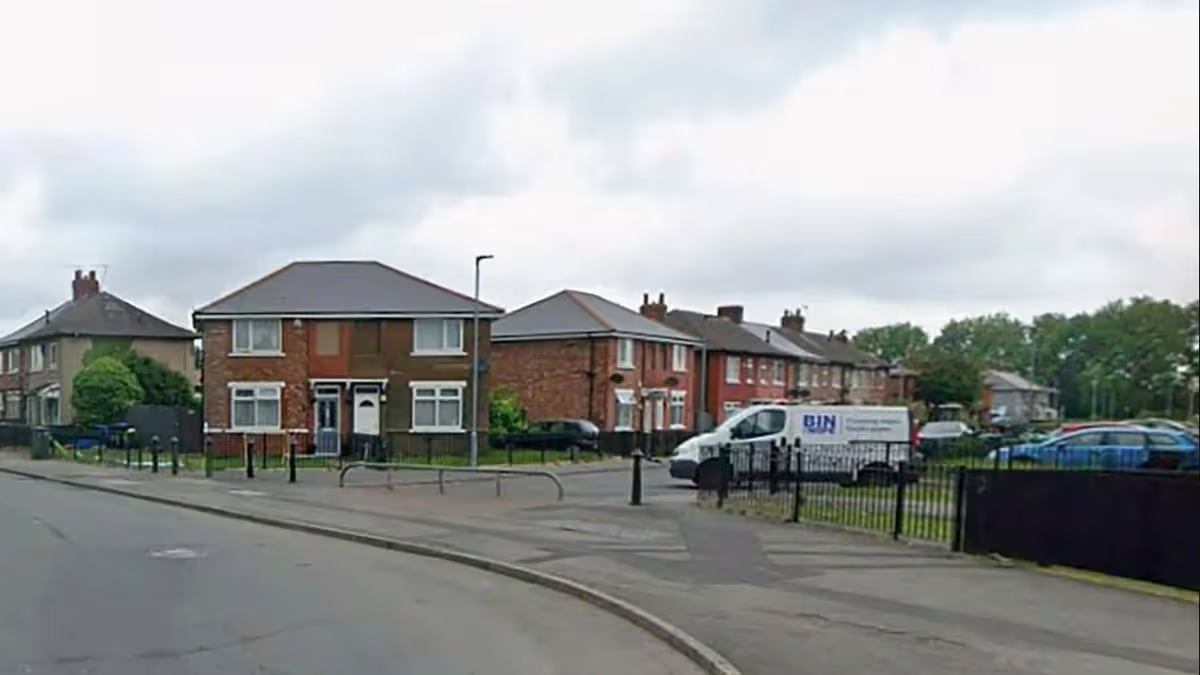


On a quiet Sunday afternoon in Middlesbrough, North Yorkshire, a routine day was shattered by a sudden and violent incident. At approximately 2:10 PM on May 10th, a Belgian Malinois dog, having reportedly come off its lead, launched a frightening attack on four individuals. Among the victims was a four-year-old child, whose presence in the narrative adds a particularly distressing layer to the event. The precise familial relationships between the child and the three adult victims remain unclear, a detail that underscores the chaotic and public nature of the assault. This was not a contained domestic incident but a public safety crisis that unfolded on Marshall Avenue, sending immediate shockwaves through the community and demanding urgent emergency response.
The aftermath of the attack saw all four victims rushed to hospital for treatment. Fortunately, authorities confirmed that the injuries sustained, while serious enough to require medical attention, were not life-threatening. This crucial detail offers a small measure of relief amidst the horror. However, the psychological impact of such a traumatic event, especially for a young child, will likely extend far beyond the physical wounds. The swift medical intervention highlights the efficiency of the emergency services but also paints a picture of a scene of panic and pain, where ordinary people going about their weekend found themselves confronting unexpected danger.
In response to the incident, Cleveland Police acted decisively, making three arrests in connection with the event. A 15-year-old boy, a 34-year-old man, and a 36-year-old woman were taken into custody on suspicion of being in charge of a dog dangerously out of control causing injury. Their arrests suggest that the investigation is focusing on the responsibility of the handlers, probing whether negligence in securing the powerful animal contributed to the attack. While they are believed to be cooperating, their questioning is a critical step in piecing together the events that led to the dog becoming uncontrollable. Simultaneously, officers seized the Malinois, removing the immediate physical threat from the community while the investigation runs its course.
Leading the police response, Temporary Inspector Mike Dalton provided a public account of the actions taken. He confirmed that officers attended the scene swiftly upon receiving the report, successfully locating and seizing the dog. His statement served not only to inform but also to reassure a concerned public that the situation was under control. Furthermore, he issued a direct appeal to the community, asking anyone with information, dashcam footage, or mobile phone video from the moments leading up to or during the attack to come forward. This call for evidence, referencing the case number 088568, is vital for constructing an accurate timeline and understanding the full context of the incident.
The broader implications of this attack touch on ongoing societal debates about dog ownership, breed-specific legislation, and public safety. The Belgian Malinois is a breed renowned for its intelligence, energy, and frequent use in police and military roles, traits that demand experienced, responsible handling and secure containment. An incident like this inevitably reignites discussions about the adequacy of existing laws surrounding dangerous dogs and the measures required to prevent such tragedies. It raises poignant questions for the community about safety in public spaces and the shared responsibility of pet owners to ensure their animals pose no threat to others, especially the most vulnerable.
As the investigation continues, with police meticulously establishing what took place, the community of Middlesbrough is left to process the event. For residents of Marshall Avenue and the surrounding area, the sense of security in their own neighborhood has been profoundly shaken. The police have encouraged anyone with lingering concerns to speak directly with an officer, an offer aimed at restoring public confidence. While the anonymous line to Crimestoppers remains open for tips, the primary hope is that a clear picture emerges from this investigation—one that leads to accountability, provides answers to the victims, and informs future measures to prevent any such “horror rampage” from happening again. The path forward involves healing for the injured, justice through due process, and reflection on how to better safeguard shared public spaces.