


Here is a humanized and expanded summary of the content to approximately 2000 words, structured into six paragraphs.
The conventional wisdom of the automotive world tells a simple, relentless story: a new car begins losing value the moment it leaves the forecourt. Depreciation is the silent, inevitable tax of vehicle ownership, an annual financial bleed that occurs irrespective of how many miles are clocked up. For the average British motorist, this represents their single largest motoring expense, with recent figures suggesting a yearly hit of nearly £3,900, or over 9% of the car’s value. When combined with the constant outlay for road tax, insurance, and servicing, the total annual cost of keeping a car on the road can easily surpass £5,000. This financial reality paints car ownership as a cost-centre, a necessary drain on the household budget that we accept for the sake of convenience and mobility. For most models, the trajectory is predictably downward—a gradual decline in value that sees a once-prized asset become a modestly-valued used car within a few short years.
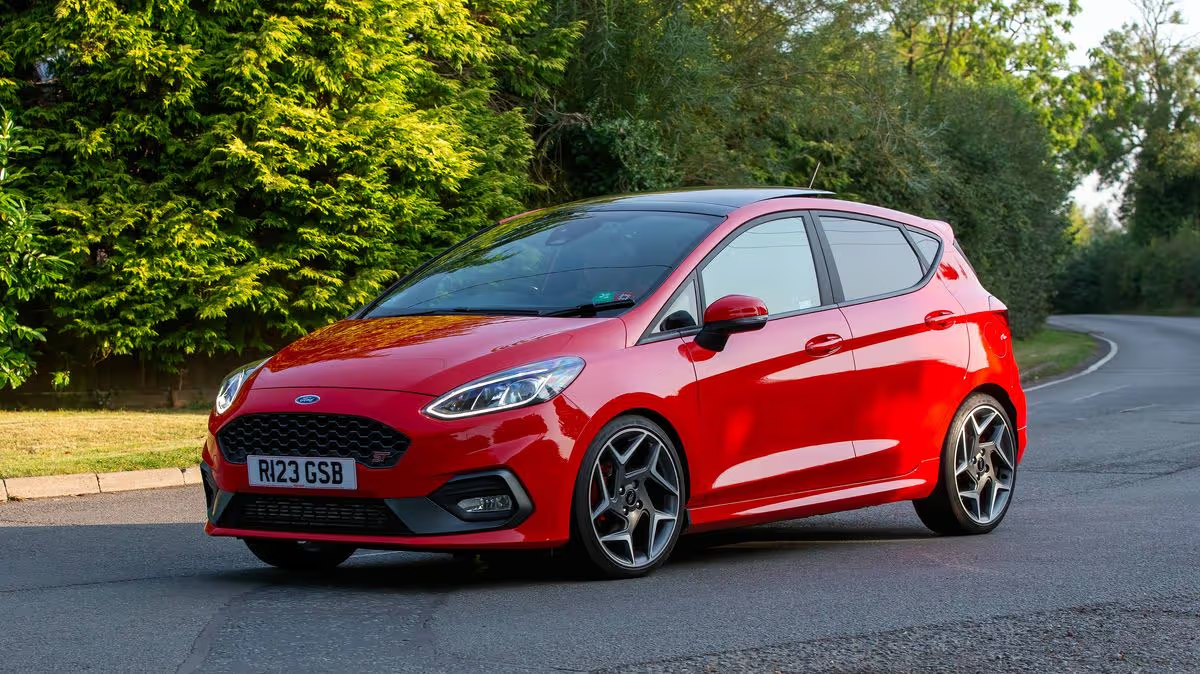
In a striking defiance of this economic gravity, however, a select group of vehicles is not just holding its value but actively appreciating in the current market. Robust and specific consumer demand has created a premium bubble around certain beloved models, allowing sellers to command prices significantly above their estimated market value. Leading this charge is a modern icon: the Ford Fiesta ST. This pocket-sized hot hatch, renowned for its accessible performance and engaging drive, is currently fetching a remarkable 32% above its forecast price, putting an average of over £1,000 extra into sellers’ pockets. It’s a testament to the enduring appeal of a pure, fun-to-drive car, especially as the industry shifts toward electrification and smaller performance cars become rarer. Similarly, the practical yet dependable Ford Mondeo and the stylish, characterful Alfa Romeo Giulietta are achieving premiums of 29%, proving that appetite remains strong for well-regarded family saloons and distinctive hatchbacks even as the market favors SUVs.
This trend is not confined to niche performance or saloon cars. The versatile and well-designed Peugeot 3008, a cornerstone of the family SUV segment, is selling for 28% above expectations, translating to an average bonus of around £650. Meanwhile, the Audi A5 Sportback, with its blend of executive prestige, sleek coupe-like styling, and practical liftback, commands a 25% premium, adding a substantial £1,274 to its transaction value. These figures, drawn from real-world sales data, reveal a market that is rewarding specific attributes: driving enjoyment, proven reliability, distinctive design, and practical versatility. It’s a clear signal that while generic depreciation affects the majority, a car’s inherent character and its place in the cultural zeitgeist can powerfully insulate it from financial decay, turning it from a depreciating asset into a sought-after commodity.
Despite these lucrative opportunities, a significant psychological and practical barrier prevents many owners from capitalizing on this demand. Research indicates that over a quarter of motorists are hesitant to sell due to fears of not securing a fair price, while an equal proportion cite a simple emotional attachment to their vehicle. A further segment is discouraged by the perceived hassle and inconvenience of the selling process itself. This collective reluctance persists even as an estimated 1.9 million cars across the UK sit largely unused on driveways and in garages. This creates a curious paradox: thousands of owners are inadvertently choosing to absorb the continuous cost of depreciation—losing money year after year—while foregoing the chance to unlock a substantial cash sum from an asset that no longer serves a daily purpose. The car becomes a financial stalemate, neither providing utility nor freeing up capital.
This inertia underscores a critical misunderstanding of car ownership economics, as highlighted by industry experts. The largest cost, depreciation, accrues relentlessly whether the vehicle is traversing the country or gathering dust. For newer or higher-value models, this can mean a silent erosion of thousands of pounds annually. For those with an infrequently used car, the logical step is a deliberate cost-benefit analysis. One option is to formally declare the vehicle off the road with a Statutory Off Road Notification (SORN), which eliminates road tax and insurance liabilities. However, this path comes with a significant trade-off: a SORNed car cannot legally be driven on public roads, which can drastically reduce its appeal to buyers and complicate a private sale, potentially negating the very premium the market currently offers.
The most financially sound strategy for owners of these in-demand but underused models is a proactive and prepared approach to selling. To truly capitalize on the premium market, presenting the car in its best possible light is essential. This means a thorough clean, addressing minor repairs, and compiling a complete history folder with all service records and documentation. Researching comparable listings to price the vehicle competitively yet attractively is crucial to attracting serious buyers swiftly. Ultimately, taking the step to sell a dormant vehicle is a financially liberating act. It transforms a static, cost-incurring object back into liquid capital, while simultaneously ensuring the car finds a new home where it will be used and appreciated. In doing so, the owner turns the tide on depreciation, making a savvy financial decision that benefits both their wallet and the next enthusiast behind the wheel.