




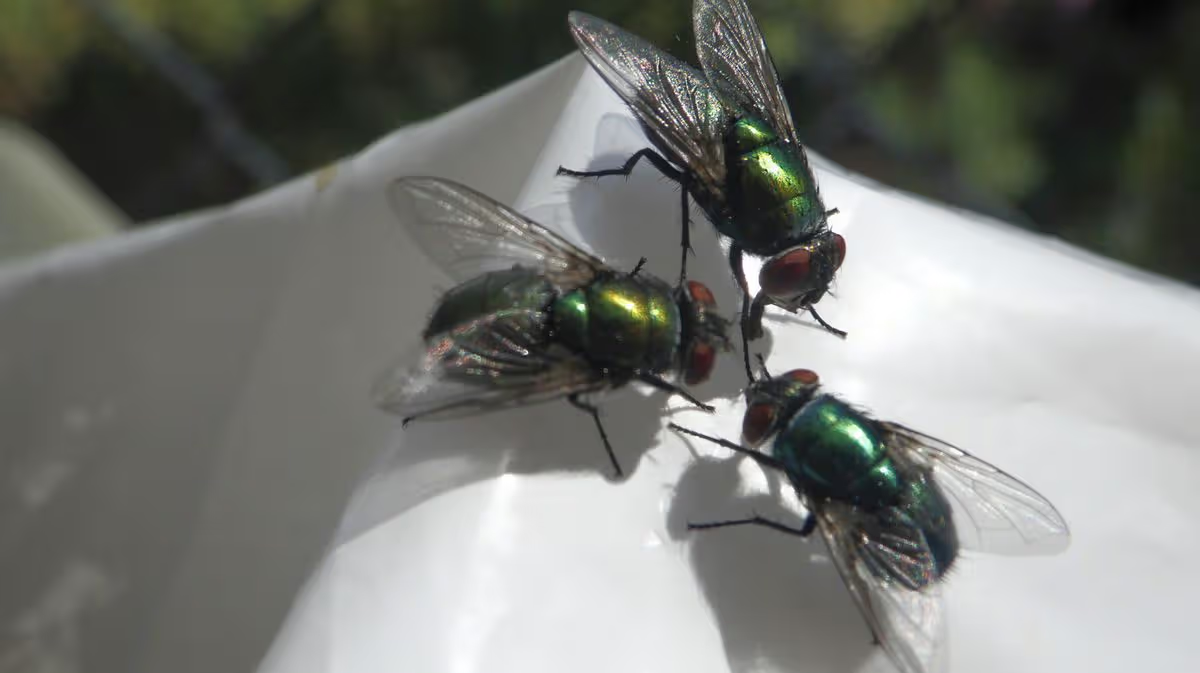
As the summer’s warmth intensifies, the outdoor bin can quickly transform from a simple waste receptacle into a buzzing hub of insect activity. Flies are naturally drawn to the scent of decomposing organic matter, particularly food scraps. An unclean bin or improperly covered waste acts as an open invitation for these pests to lay hundreds of eggs. In the warm, moist environment of a garbage bin, these eggs can hatch into maggots within a mere 24 to 48 hours. Without intervention, this cycle accelerates rapidly; the maggots feed on the waste, mature, and emerge as adult flies in about a week, turning a minor nuisance into a full-blown infestation. This escalating problem highlights the urgent need for simple, effective solutions to reclaim our outdoor spaces from these unwelcome visitors.
Fortunately, a powerful and readily available remedy exists, advocated by professional cleaner Claire from @sisterpledgecleans. Her go-to hack employs a common kitchen staple: ordinary table salt. Claire confidently claims that this method works for any bin, offering a natural and surprisingly effective barrier against flies. The science behind it is straightforward yet potent. Similar to how salt affects snails and slugs, it is deeply hostile to flies and maggots. Salt acts as a desiccant, aggressively drawing moisture out of their bodies. When applied generously, it creates an environment so dehydrating that it becomes lethal for these pests, disrupting their life cycle at the egg and larval stages.
Implementing this salt-based defense is incredibly simple. Claire’s instructions advise sprinkling a generous layer of table salt directly onto the bottom of the clean, dry bin. This layer serves a dual purpose: it acts as a deterrent that flies “hate,” discouraging them from landing and laying eggs, and it simultaneously soaks up any residual “bin juice” or moisture. By eliminating the dampness and altering the environment, the salt removes the very conditions that maggots need to thrive. This preventive step is crucial for stopping an infestation before it starts. For bins already compromised, a more direct approach is needed: completely cover the infested area and any visible maggots with a thick blanket of salt and, if possible, place the bin in direct sunlight for an hour. The combination of salt’s dehydrating power and the sun’s heat will efficiently dispatch the pests.
Once the salt has done its work, proper cleanup is essential to maintain a hygienic space. After the waiting period, rinse the bin thoroughly to remove all salt and debris. The dead maggots should be carefully collected and disposed of in a sealed plastic bag before being placed back in the bin. Following this deep clean, the preventive measure should be reinstated: apply a fresh, generous layer of salt to the dry bin bottom before any new rubbish is added. To maintain maximum effectiveness, this salt layer should be washed out and replaced regularly. During the peak heat of summer, when fly activity is highest and bins decay faster, this maintenance may need to be performed more frequently to stay ahead of any potential problems.
While salt is a highly effective primary defense, it can be part of a broader strategy for bin management. Since a leading attractant for flies is odor, combining forces with another kitchen cupboard powder can create an even stronger barrier. Baking soda, renowned for its odor-absorbing qualities, works similarly to salt in removing moisture and neutralizing smells. A light sprinkling of baking soda over new waste, or a layer alternated with salt, can further deodorize the bin’s contents. This makes the bin far less interesting to flies scouting for a prime egg-laying site. The goal is to create a dry, inhospitable, and scent-neutral environment that breaks the cycle of attraction, infestation, and regrowth.
Ultimately, battling bin flies is less about complex chemicals and more about understanding and disrupting their basic needs. By employing simple, natural substances like salt and baking soda, we can effectively protect our bins. This approach not only manages pest control in an eco-friendly manner but also promotes overall cleanliness, reducing foul odors and making the task of taking out the trash more pleasant. With consistent application and routine maintenance, particularly during the warmer months, it is entirely possible to say a permanent goodbye to pesky flies and the unhealthy cycle they represent, ensuring our outdoor areas remain peaceful and sanitary.