

A Tragedy in West London: Three Lives Lost in White City Blaze
On a summer Saturday evening in west London, a quiet corner of White City was shattered by tragedy. Just before seven o’clock on June 20th, 2026, a fierce fire erupted in a single-storey pavilion on New Zealand Way, its sudden fury piercing the weekend calm. The London Fire Brigade’s control room was immediately inundated, receiving a staggering 19 separate calls from alarmed members of the public, a flood of concern that underscored the severity of the unfolding disaster. This urgent cascade of reports triggered a massive emergency response, sending more than a dozen fire engines screaming through the streets as the sun began to set, their crews racing against time towards a growing column of smoke.
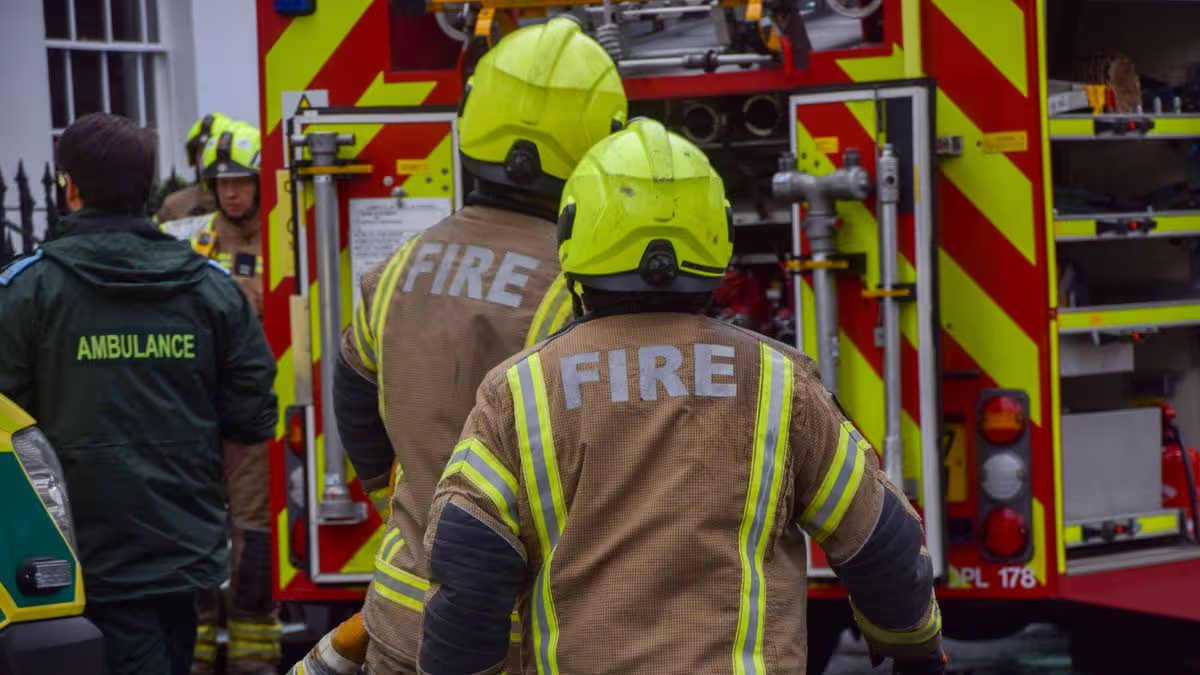
The scale of the response was a testament to the grave situation. Approximately 100 firefighters from stations including North Kensington, Acton, Chiswick, and surrounding areas converged on the scene, facing a building already fiercely alight. Assistant Commissioner Pat Goulbourne, speaking later at the charred site, described the scene firefighters encountered: a pavilion with well over half of its structure already consumed by flames. The primary and most harrowing mission amidst the heat and smoke was immediately clear—reports indicated people were trapped inside. With professional precision and profound bravery, crews plunged into the operation, their goal not just to extinguish the flames but to save lives.
In the midst of the roaring inferno, firefighters managed to achieve a desperate rescue, pulling three men from the beleaguered structure. Each was swiftly passed into the care of paramedics from the London Ambulance Service, who worked tirelessly on the scene. Despite these heroic efforts, the outcome was devastatingly sombre. Two of the men were pronounced dead at the location. The third, carrying the hope of his rescuers and medics with him, was rushed to a hospital for advanced treatment. Tragically, this hope was extinguished hours later, as he too succumbed to his injuries. Three lives were lost in a single evening, a profound loss that will resonate deeply within their families and the community.
The firefighting operation itself was a protracted and intense battle. From the first alarm at 6:52 p.m., it took nearly two and a half hours of relentless effort for the crews to fully bring the blaze under control, finally mastering the flames by 9:25 p.m. The final image left behind was one of stark destruction: a blackened, skeletal reminder of the pavilion that once stood, now a silent site of sorrow under the night sky. As the last embers cooled, the transition began from emergency response to the painstaking search for answers, the urgent noise of the firefight giving way to a quieter, more solemn determination.
The question hanging heavily in the air, beyond the grief, is simply: how did this happen? Assistant Commissioner Goulbourne confirmed that the cause of the fire is now the subject of a meticulous joint investigation. Specialist fire investigation officers from the London Fire Brigade, working in close cooperation with detectives from the Metropolitan Police Service, have begun the delicate forensic work. Their task is to piece together the events of that evening, examining the origins and the factors that allowed the fire to spread with such deadly speed, in hopes of preventing such a tragedy from occurring again.
This incident is a stark and heartbreaking reminder of the suddenness with which disaster can strike and the fragile line between an ordinary day and catastrophe. It also stands as a testament to the extraordinary courage and rapid response of the emergency services, who answered those 19 calls with unwavering commitment. Yet, their valiant efforts, while awe-inspiring, could not avert the ultimate human cost. As the community of White City mourns, and the investigations proceed, the memories of those three men lost, and the shared shock of that Saturday night, will undoubtedly linger long after the smoke has cleared.