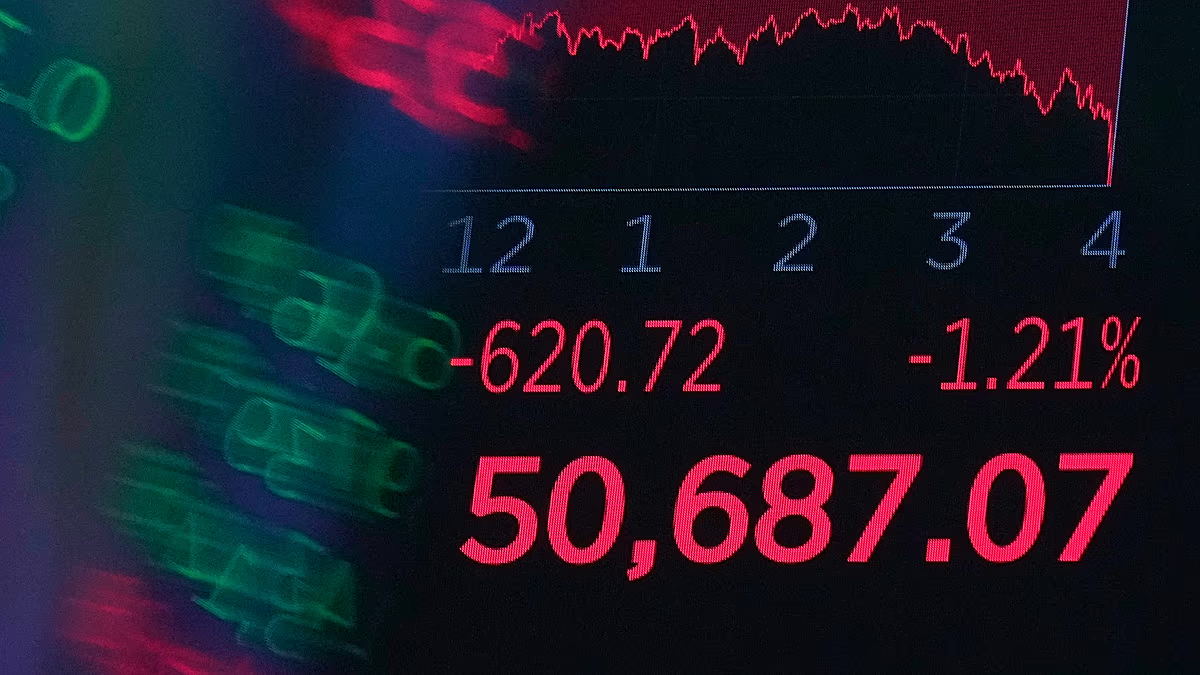




The American stock market, a barometer of both economic vitality and collective sentiment, has embarked on a remarkable ascent, reaching uncharted territory even as the world grapples with significant geopolitical strife. In a powerful display of forward-looking confidence, major indices like the S&P 500 and the Nasdaq Composite have surged to record highs, effectively entering what traders call “price discovery.” This upward sprint suggests that investors are choosing to look past the dark clouds of immediate crisis, focusing instead on the potential for diplomatic de-escalation and the underlying strength of corporate America. This resilience forms a striking contrast to the tense headlines emanating from global hot spots, presenting a narrative where hope and fundamentals are currently outweighing fear.
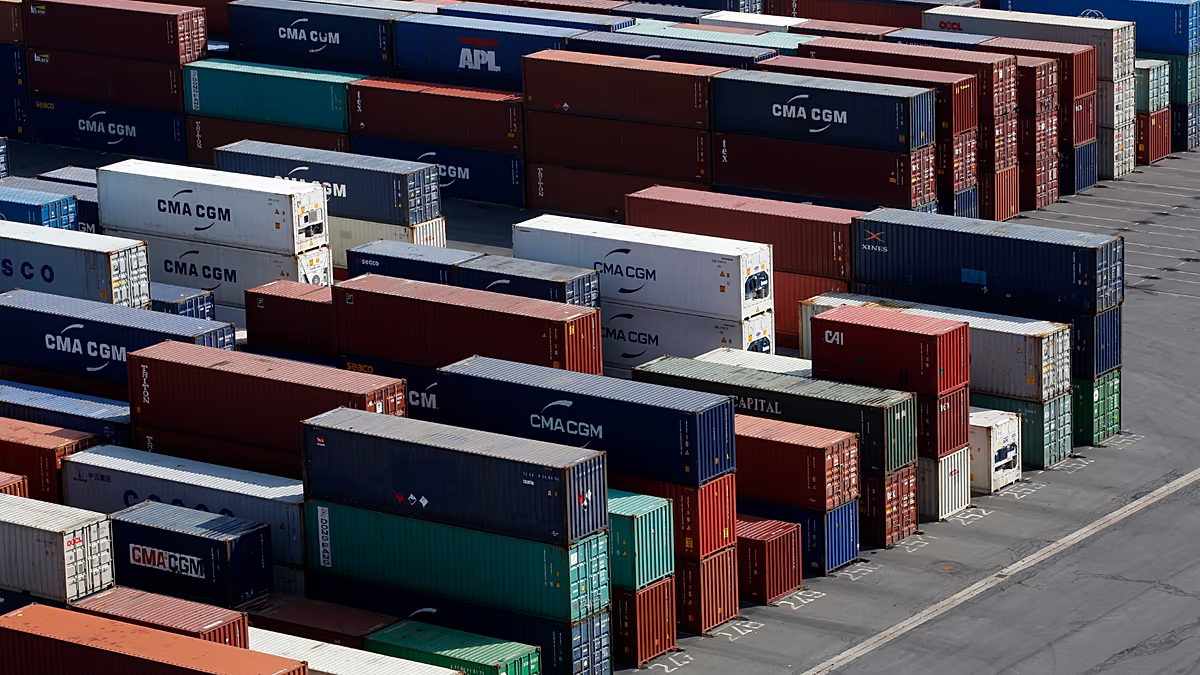
This optimism persists against a backdrop of serious and persistent headwinds. The most pressing is the severe disruption in the Strait of Hormuz, a maritime chokepoint critical to roughly one-fifth of the world’s oil supply. Following Iranian actions and a subsequent U.S. naval blockade, shipping traffic has plummeted, contributing to elevated oil prices that continue to fuel inflationary concerns. International bodies like the IMF have responded by downgrading global growth forecasts, warning of weaker economic expansion and stubbornly high prices if tensions persist. Yet, in recent weeks, a modest retreat in oil prices and the fragile hold of a two-week ceasefire have provided a glimmer of hope. Markets are subtly beginning to price in the possibility of a reopened strait and a contained conflict, encouraged by signals from Washington that negotiations for a lasting peace may soon resume.
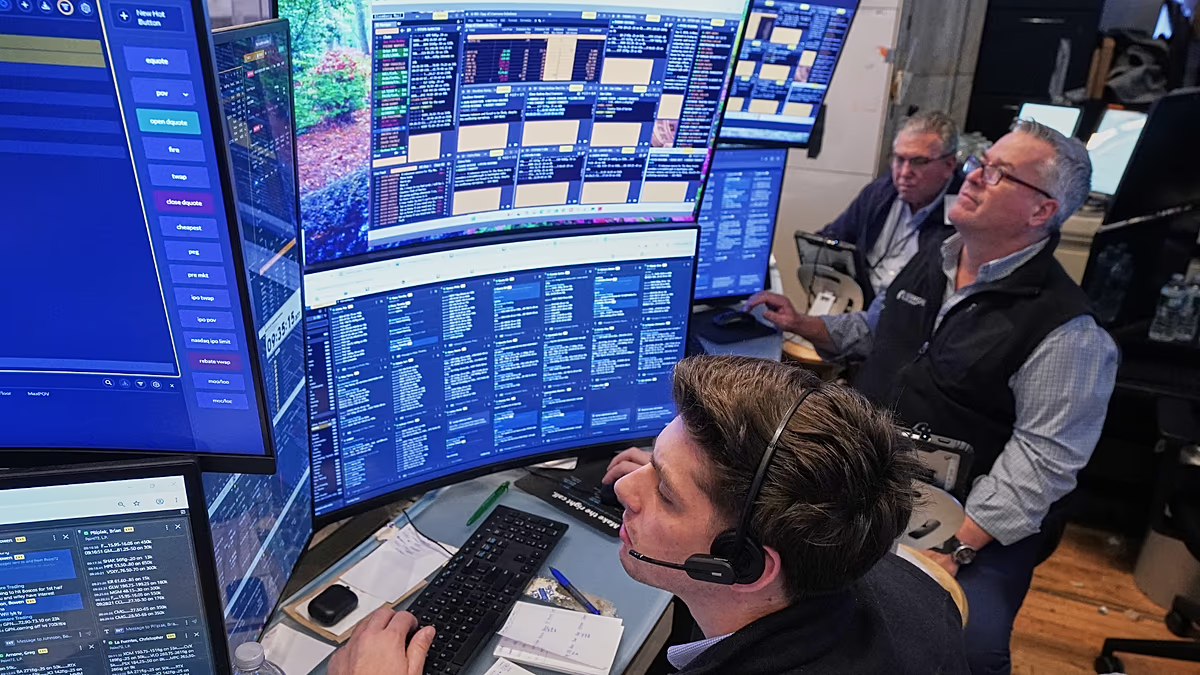
So, why are U.S. indices defying the odds and climbing a wall of worry? Analysts point to a confluence of supportive factors. Foremost is the budding hope that hostilities may conclude swiftly, limiting long-term economic damage. Simultaneously, reports from corporate America paint a picture of continued health; bank executives cite a resilient consumer and a robust pipeline for deals, while earnings expectations for S&P 500 companies have been revised upward. Furthermore, the ongoing fervor around artificial intelligence continues to provide rocket fuel, particularly for tech-heavy indices like the Nasdaq. As one investment chief noted, the capital spending boom driven by AI shows no signs of slowing, supporting economic growth. The market’s composition also plays a role, as defense companies within these indices have benefited from increased military spending in response to the conflict.
This is not the first time equities have demonstrated such resilience in the face of war. History offers a reassuring context for the current rebound. During past U.S.-involved conflicts, from the Gulf War to the Iraq invasion, stock markets have frequently experienced initial volatility followed by sustained recovery and gains. Data indicates that, across multiple historical conflicts, equities have risen in the first year of hostilities about 60% of the time. This pattern reveals a long-standing market tendency: to eventually focus on final outcomes and economic adaptability rather than getting bogged down in the immediate shock of geopolitical events. The current rally appears to be another chapter in this enduring story, where markets reward resolution and the enduring capacity for growth.
Of course, this bullish narrative is not without its caveats and palpable risks. The rally is built on a foundation of expectations—specifically, the expectation that diplomacy will succeed and the Strait of Hormuz will reopen. Should the ceasefire break down and the conflict escalate or prolong, the assumptions buoying the market could quickly unravel. The IMF’s warning of weaker growth and higher inflation under a prolonged scenario remains a sobering possibility. For now, however, investors are placing their bets on a best-case outcome, choosing to emphasize corporate strength and historical precedent over the drumbeat of negative news.
In conclusion, the record-breaking performance of U.S. stock indices is a complex tale of contradiction and confidence. It underscores a market that is adept at discounting known risks while pivoting toward future potential. Powered by optimism for peace, solid corporate earnings, and a relentless tech-driven investment cycle, Wall Street is writing a story of resilience. While the specter of escalation looms and could yet disrupt this chapter, the current message from the markets is clear: investors are betting that American corporate ingenuity and the pursuit of diplomatic solutions will, in the end, prevail over the forces of instability. The journey into this new price territory is a testament to that calculated faith.