

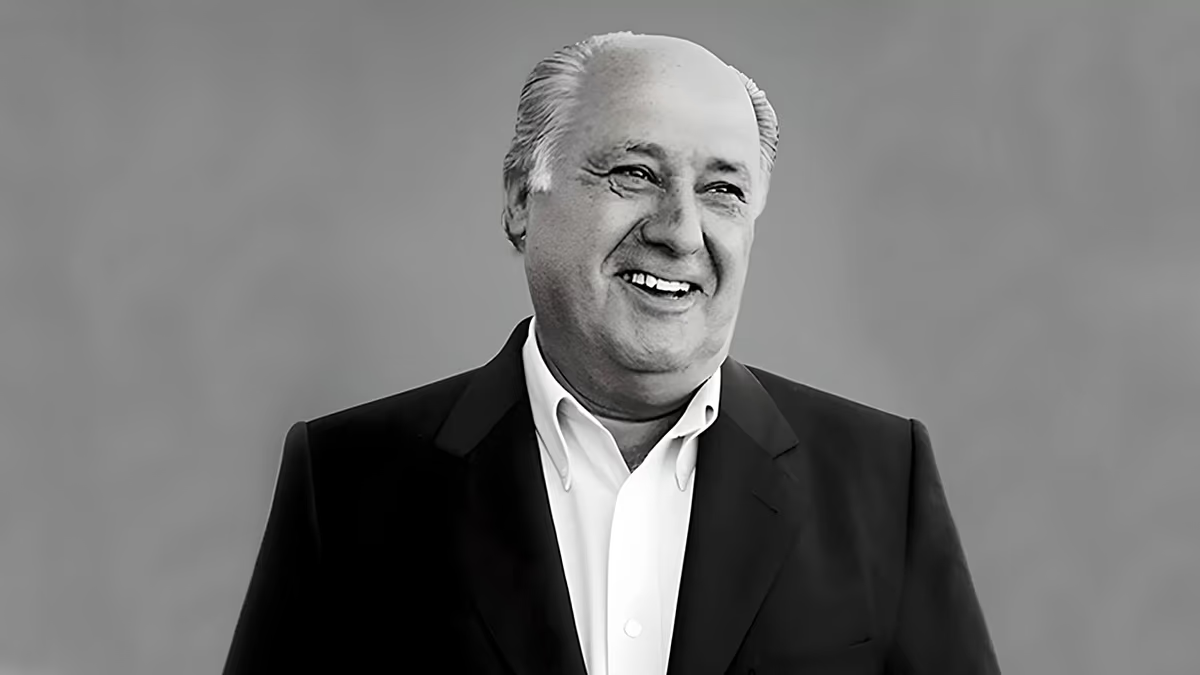
Amancio Ortega, the famously private Spanish billionaire best known for founding the Inditex fashion empire, has quietly conquered a new realm. Recent industry analyses now crown him as the world’s largest individual private real estate owner. This title, surpassing other major international property investors, solidifies a profound and deliberate transformation. Ortega is no longer just the architect of Zara; he has meticulously built a second, colossal empire of brick and mortar, demonstrating a strategic shift from fast fashion’s volatile tides to the enduring substance of prime real estate. This achievement marks the culmination of a long-term plan to translate the staggering dividends from his 59% stake in Inditex into a portfolio of tangible, high-value assets, securing his wealth for generations.
The scale of his property holdings is breathtaking. Through his family office, Pontegadea, Ortega has assembled a collection exceeding 200 assets, with an estimated total value of around $25 billion. This vast portfolio spans iconic office towers, luxury hotels, and prime retail complexes across the world’s most prestigious addresses. From the historic Apple Store on Chicago’s Magnificent Mile and the epicenter of tech wealth in Seattle’s Amazon headquarters to commanding buildings in Madrid, London, and New York, his investments are strategically planted in the heart of global commerce. This carefully curated collection provides a fortress of stability, generating reliable rental income from blue-chip tenants, which in turn funds further acquisitions. It is a self-reinforcing cycle of wealth preservation.
What is particularly remarkable about Ortega’s strategy is its disciplined and conservative nature. Unlike speculative developers, he acts as a permanent capital investor, favoring fully leased, iconic properties in established urban centers. At 90 years old, his approach is not about flashy speculation but about legacy and perpetual income. He seeks assets with undeniable intrinsic value—buildings that house the world’s leading technology giants, major banks, and luxury brands. This focus on “mission-critical” real estate occupied by creditworthy tenants minimizes risk and ensures a steady cash flow, regardless of economic cycles. In recent years, this activity has only intensified, showing a clear preference for assets tied to the resilient growth of the tech sector, future-proofing his investments.
This monumental real estate expansion is directly fueled by the enduring success of Inditex. The fast-fashion giant acts as a powerful financial engine, generating billions in dividends that are systematically channeled into Pontegadea. It is a masterclass in vertical diversification: the fluid capital from selling apparel is transmuted into owning the very streets and skylines where that apparel is sold and where global business is conducted. This symbiotic relationship allows Ortega to reinvest Inditex’s profits without needing to leverage the company itself, keeping the operational businesses separate while his personal wealth becomes increasingly anchored in physical, income-generating landmarks.
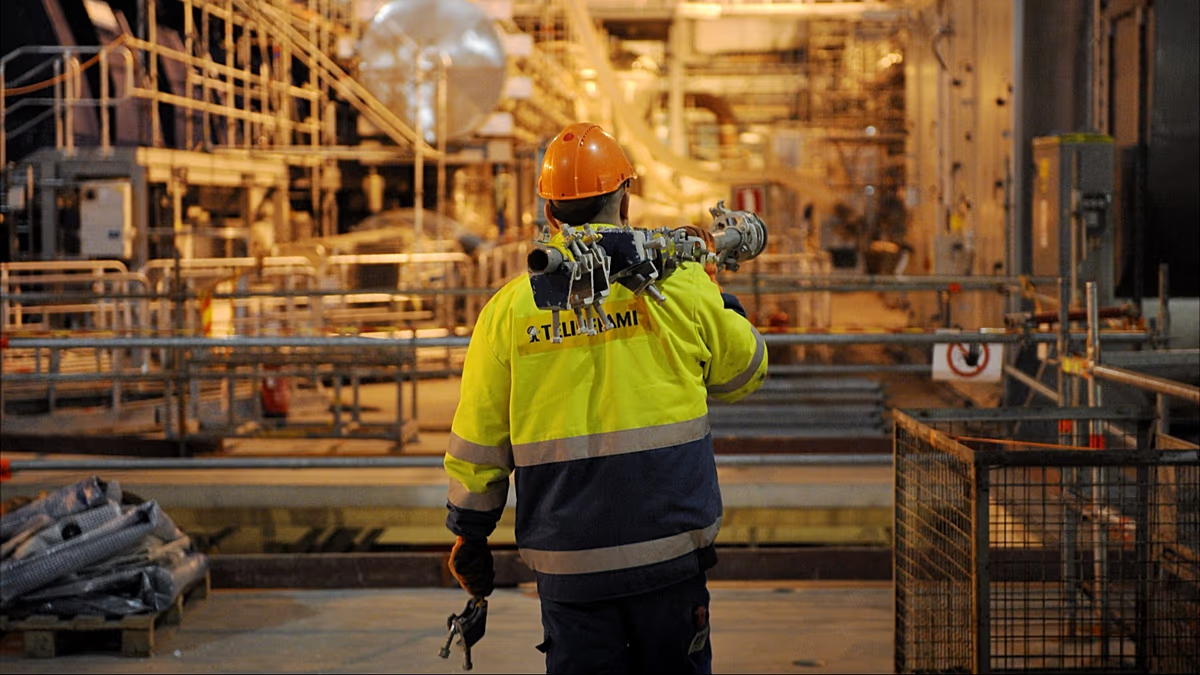
Furthermore, Ortega’s vision extends beyond skyscrapers and shopping districts. While real estate forms the core, his investment tentacles reach into other essential sectors. Through Pontegadea, he holds significant stakes in Spanish energy and telecommunications infrastructure, including renewable power projects and telecom networks. These forays into utilities and critical infrastructure represent a broader philosophy of investing in the fundamental veins of the modern economy—the spaces we work in, the energy that powers them, and the digital networks that connect them. It is a holistic strategy that builds a moat around his fortune, diversifying across assets that are essential to daily life and commerce.
In conclusion, Amancio Ortega’s journey from a humble draper’s assistant to the world’s premier private real estate holder is a narrative of two acts. The first was a revolution in retail, democratizing fashion on a global scale. The second, quieter act is a masterstroke in capital preservation. He has not merely accumulated wealth; he has transmuted it into a form designed to endure. By converting the dynamic profits of fashion into the timeless solidity of prime property and infrastructure, Ortega has built a legacy that is literally set in stone. His story redefines the arc of a billionaire’s ambition, moving from creating a ubiquitous brand to ultimately owning the very fabric of the world’s premier cities, ensuring his influence will loom large on the global landscape long into the future.