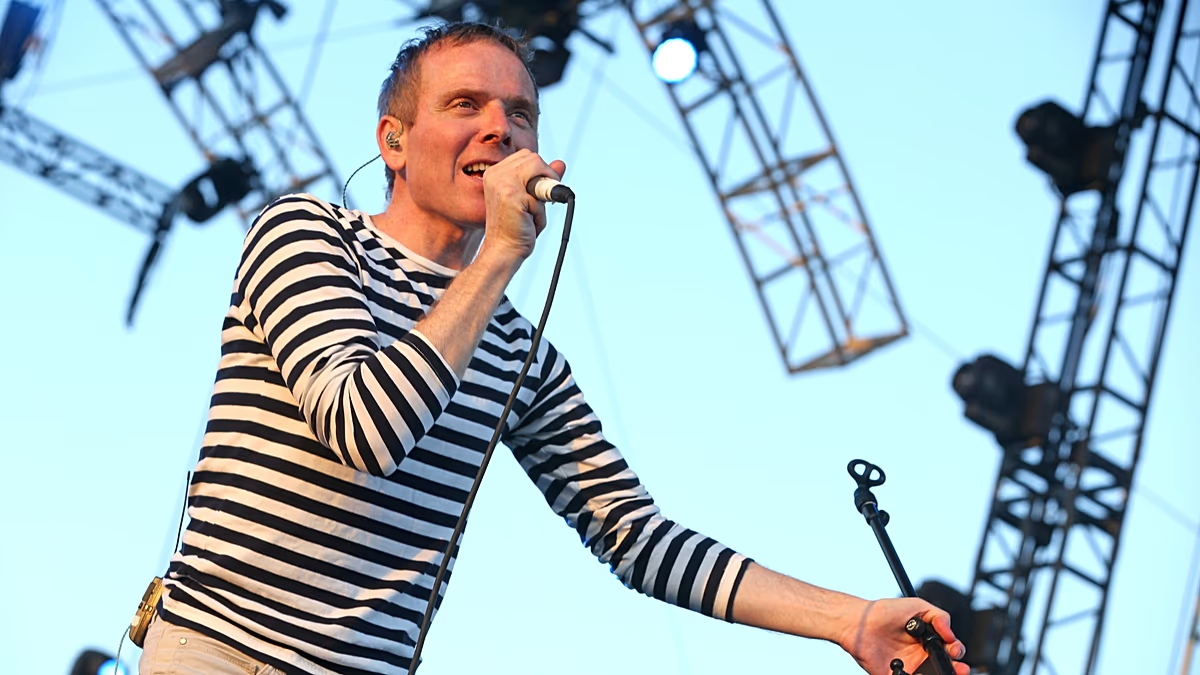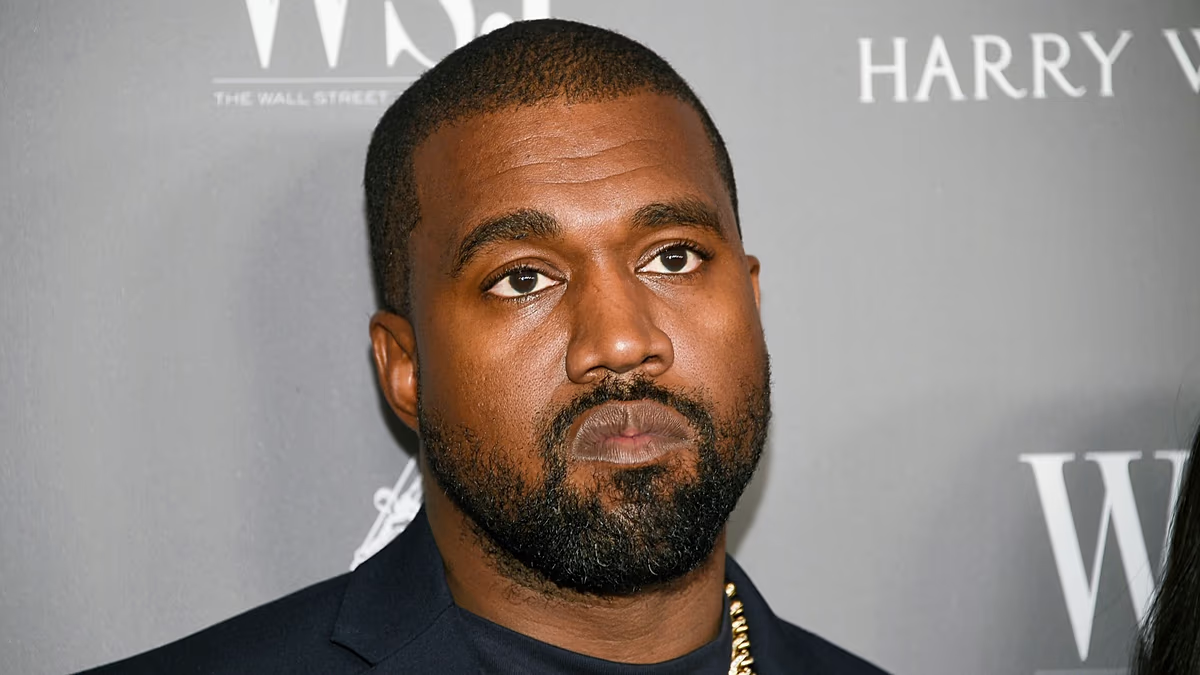




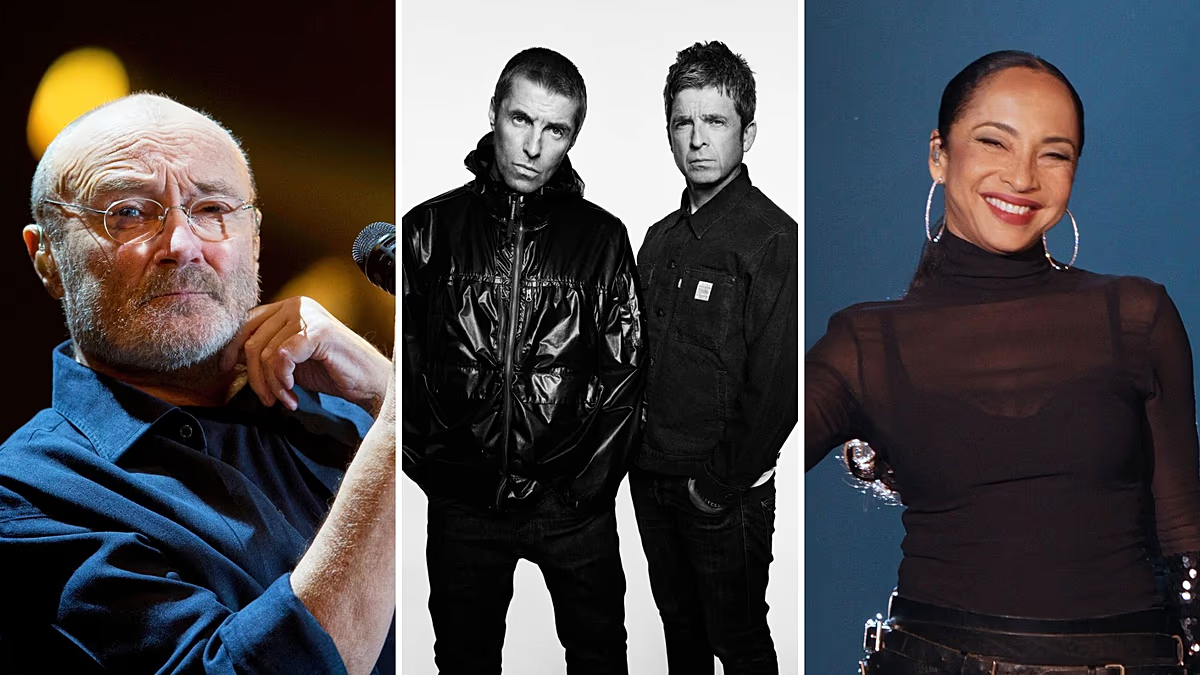
The Rock & Roll Hall of Fame’s Class of 2026 is a resonant celebration of musical diversity and enduring influence, proving once again that the institution’s definition of “rock and roll” is wonderfully broad. This year’s induction list reads like a journey through the defining sounds of the last four decades, uniting arena anthems, intimate soul, punk swagger, and groundbreaking hip-hop under one hallowed roof. Headlining the main performer category are titans like the theatrical heavy metal of Iron Maiden, the synth-pop melancholia of Joy Division and its dance-floor reincarnation as New Order, and the gritty Britpop feud of Oasis, all finally receiving their due. They are joined by the sleek, sophisticated quiet storm of Sade, the electrifying punk-rock persona of Billy Idol, and the monumental pop-rock craftsmanship of Phil Collins, both as a solo artist and as part of Genesis. The inductions feel particularly poignant for two legendary acts: the mighty Wu-Tang Clan, whose raw, revolutionary impact on hip-hop is now formally enshrined, and the late, velvet-voiced Luther Vandross, a soul virtuoso whose long-overdue recognition brings a bittersweet sense of closure.
Beyond the main stage, the Hall’s special categories illuminate the foundational figures and unsung architects behind the music we love. The Early Influence awards honor pioneers who carved paths for others to follow. This includes the empowering legacy of Queen Latifah in hip-hop and film, the explosive Afrobeat rhythms of Nigeria’s Fela Kuti, and the celestial voice of Cuba’s Celia Cruz, the “Queen of Salsa.” They stand alongside country-rock visionary Gram Parsons and the trailblazing rapper MC Lyte, highlighting the global and genre-spanning roots of modern popular music. Meanwhile, the Musical Excellence awards shift focus to the creative forces behind the scenes, celebrating the indelible marks left by producers and songwriters. The honor goes to hit-making maestro Rick Rubin, legendary producers Arif Mardin and Jimmy Miller, and the profoundly gifted songwriter Linda Creed, who co-wrote eternal classics like “Greatest Love of All.”
In a fitting tribute to a man who introduced millions of homes to the very artists the Hall now celebrates, television icon Ed Sullivan posthumously receives the Ahmet Ertegun Award. His Sunday night stage was a national portal, a cultural canonizer that launched The Beatles, Elvis Presley, and countless others into the stratosphere. His induction acknowledges that rock and roll’s story is not just written in recording studios, but also on stages seen by the world, facilitated by those with an eye for transformative talent. This broader context makes the 2026 class feel like a complete historical ecosystem, acknowledging performers, influencers, creators, and curators alike.
Yet, as with every induction cycle, the celebrations are shadowed by the notable omissions from the final list. The fact that artists of the monumental caliber of Mariah Carey, with her unparalleled vocal legacy, and Lauryn Hill, whose The Miseducation remains a watershed moment, did not make the cut this year sparks debate and underscores the subjective nature of such honors. Fan-favorite acts like INXS, the tragically departed Jeff Buckley, and global pop forces like Shakira and Pink also remain on the outside looking in, their eligibility a promise that the conversation—and the contention—will continue in future years.
Ultimately, this year’s cohort strengthens the Hall of Fame’s evolving narrative as a museum of impact, not just a shrine to guitar heroes. By placing the raw energy of Wu-Tang Clan alongside the polished perfection of Sade, and the theatrical spectacle of Iron Maiden next to the intimate emotion of Luther Vandross, the institution affirms that influence is the true criterium for immortality. It’s a recognition that the spirit of rock and roll—rebellious, innovative, and culturally disruptive—can flourish in any genre.
The induction of the Class of 2026 is less about a single genre and more about honoring a collective heartbeat that has pulsed through generations of fans. From the throbbing bass of a Joy Division song to the soaring chorus of an Oasis anthem, from the intricate rhymes of the Wu-Tang to the lush harmonies of Luther Vandross, these sounds form a shared soundtrack of modern life. Their enshrinement is a testament to music’s power to define eras, challenge norms, and provide a universal language, ensuring these artists’ legacies will officially resonate for generations to come.