



Europe’s Christmas gift-givers showcase a fascinating tapestry of traditions, reflecting the continent’s rich cultural diversity. While Santa Claus, with his iconic red suit and reindeer-powered sleigh, is a ubiquitous figure, many countries maintain their own unique interpretations of the benevolent holiday bringer. This array of festive figures, ranging from ancient saints and mythical creatures to personifications of the Christ Child, offers a captivating glimpse into the historical and cultural influences that have shaped Christmas celebrations across Europe.
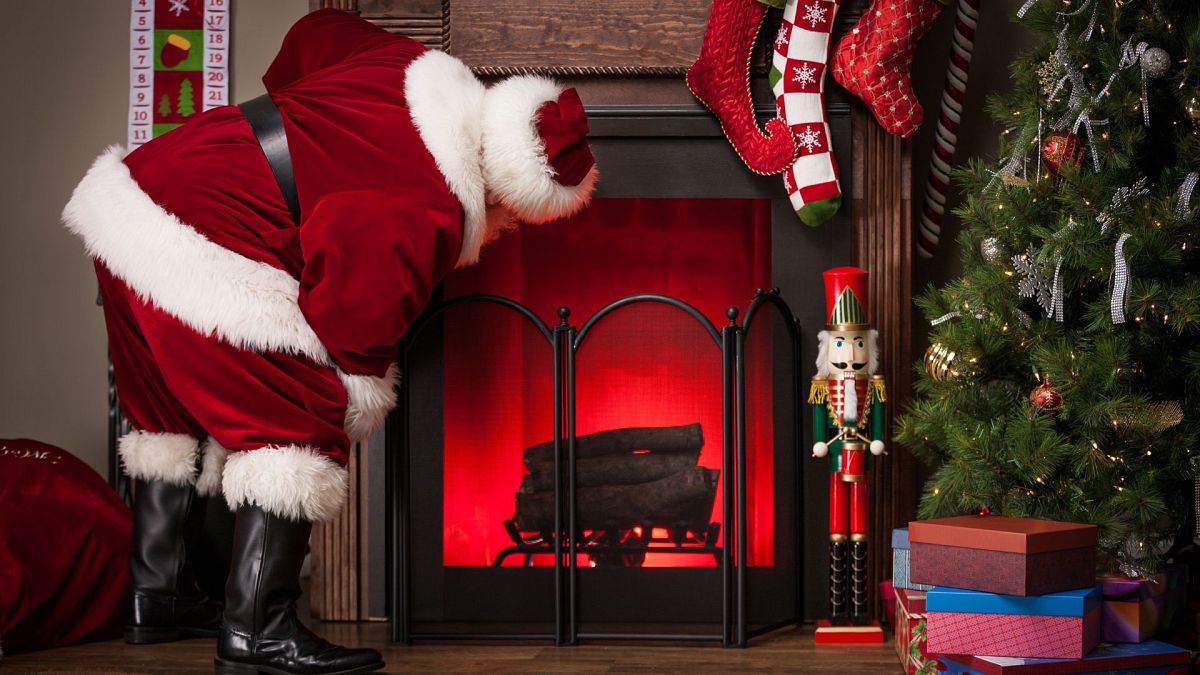
In much of Western Europe, including France, Ireland, Italy, Portugal, and the UK, Father Christmas reigns supreme. While his name varies depending on the language – Père Noël, Babbo Natale, Pai Natal – the core attributes remain consistent: a jovial, red-clad figure residing in a North Pole workshop, assisted by a team of elves. This modern incarnation of Father Christmas has largely absorbed the characteristics of other traditional gift-givers, resulting in a somewhat homogenized, yet universally recognized, image.
Saint Nicholas, the historical figure credited as the inspiration for Santa Claus, plays a prominent role in several European countries. Venerated for his generosity and kindness, this 4th-century bishop evolved into the patron saint of children, his feast day on December 6th marked by gift-giving. The Dutch Sinterklaas, a direct descendant of Saint Nicholas, eventually traveled across the Atlantic, transforming into the American Santa Claus. Over time, this image of a benevolent old man merged with European folktales of magical gift-givers, solidifying Santa’s place in Christmas lore.
Central European countries, such as Austria, the Czech Republic, Slovakia, and parts of Germany and Switzerland, embrace the Christkind (Christ Child) as the primary gift-bringer. This tradition, rooted in the religious significance of Christmas, emphasizes the birth of Jesus as the central element of the celebration. The Christkind can take various forms, from the literal infant Jesus to a winged, angelic figure embodying Christ-like qualities. Children are encouraged to maintain the mystery surrounding the Christkind’s arrival, never attempting to glimpse the ethereal gift-giver in action.
Moving southward, Spain maintains a unique tradition centered around the Three Kings, or Three Wise Men, who deliver gifts on January 5th, the eve of Epiphany. Their role as gift-givers stems from the biblical account of their visit to the newborn Jesus, bearing gifts of gold, frankincense, and myrrh. This tradition, deeply embedded in Spanish culture, features vibrant parades and celebrations, commemorating the Magi’s journey and their symbolic offerings.
Venturing eastward, we encounter Ded Moroz, or Grandfather Frost, the Slavic counterpart to Santa Claus. Clad in a long fur coat and wielding a magical staff, Ded Moroz delivers gifts to well-behaved children on New Year’s Eve in Russia, Serbia, and other Eastern European countries. This figure, often accompanied by his granddaughter, Snegurochka (Snow Maiden), embodies the spirit of winter and the promise of a new year filled with joy and blessings.
Beyond these prominent figures, a multitude of regional traditions persist. Saint Basil, a 4th-century bishop known for his charitable works, brings gifts to children in Greece and Cyprus on New Year’s Day. The Nordic countries boast a diverse array of gift-givers, including Iceland’s mischievous Yule Lads, the gnome-like Nisse of Norway and Sweden, and Finland’s Joulupukki (Yule Goat). These figures, while often sharing characteristics with Santa Claus, retain their unique origin stories and cultural significance.
The Catalan and Andorran tradition of Tió de Nadal (Christmas Log) stands out for its unusual nature. This hollow log, adorned with a smiling face and a blanket, is “fed” treats and sweets leading up to Christmas. On Christmas Eve, families gather to beat the log with sticks, prompting it to “defecate” the accumulated gifts. This whimsical tradition, rooted in ancient pagan rituals, underscores the playful and communal aspects of Christmas celebrations.
This diverse array of Christmas gift-givers underscores the fascinating interplay of history, religion, and folklore that shapes European traditions. While Santa Claus has achieved global recognition, the enduring presence of these regional figures serves as a reminder of the rich tapestry of cultural expressions that make Christmas such a captivating and multifaceted holiday. Each tradition, with its unique characters and rituals, contributes to the vibrant mosaic of Christmas celebrations across Europe, offering a glimpse into the diverse beliefs and customs that have been passed down through generations. These traditions, while distinct in their expression, share a common thread of generosity, kindness, and the celebration of the human spirit during the darkest days of winter. Whether it’s Santa Claus descending from the North Pole, the Christ Child appearing in a dream, or the Three Kings parading through the streets, the spirit of giving and the joy of the season remain universally cherished.