


A recent and disturbing controversy has erupted over the treatment of Palestinian activists detained by Israeli forces, leading to a significant diplomatic rift within the European Union. The activists allege severe mistreatment, including physical beatings, the use of tasers, and the deployment of attack dogs. These claims paint a grim picture of their experiences in custody, suggesting actions that violate basic human rights and international standards for the humane treatment of detainees. In response, the Israeli government has issued a firm and categorical denial, stating that the allegations are “false and entirely without factual basis.” This stark contradiction between the firsthand accounts of the detained individuals and the official position of the state creates a profound and troubling ambiguity, leaving the international community to grapple with conflicting narratives and the urgent need for credible, independent investigation.
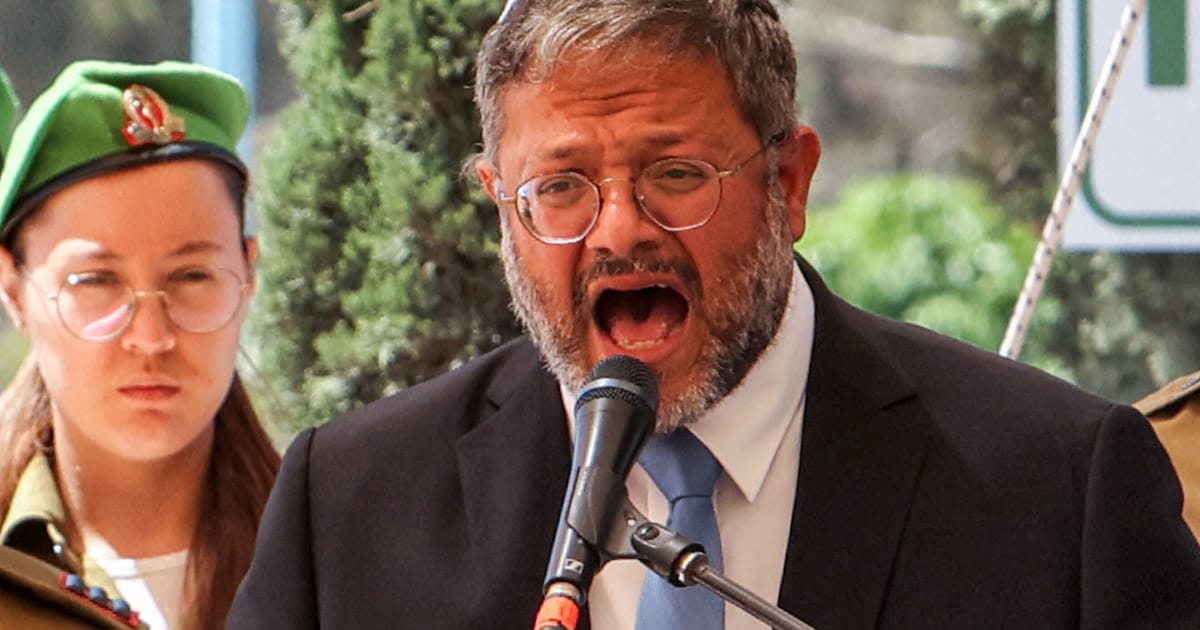
The allegations have not remained confined to the realm of human rights reports; they have swiftly escalated into a pointed political confrontation within Europe. French Transport Minister Clement Beaune, known for his progressive stance, has publicly aligned himself with a growing number of European leaders who are calling for concrete action. Specifically, Beaune has joined a chorus demanding that the European Union impose sanctions on Israel’s National Security Minister, Itamar Ben-Gvir. In a social media post, Beaune explicitly stated, “Like my Italian colleague, I call on the European Union to also impose sanctions on Itamar Ben-Gvir.” This call is rooted in Ben-Gvir’s long history of inflammatory rhetoric and policies targeting Palestinians, which many view as incitement to violence and a direct obstacle to peace.
However, the path to enacting such EU sanctions is fraught with procedural hurdles and political dissent. Czech Foreign Minister Petr Macinka has emerged as a vocal opponent, vowing to block any sanctions against Israeli ministers. This opposition is crucial because EU sanctions against individuals require unanimity among all 27 member states. Macinka’s stance effectively places a formidable roadblock on the proposal, reflecting the deep divisions within Europe regarding how to approach the Israeli-Palestinian conflict. Some member states prioritize maintaining diplomatic relations and strategic partnerships with Israel, while others feel a moral and political imperative to hold individual officials accountable for actions and rhetoric that exacerbate tensions and violate human rights norms.
It is important to contextualize this current EU debate within Ben-Gvir’s broader international standing. Last year, several nations outside the European bloc—including the United Kingdom, Canada, Australia, Norway, and New Zealand—already imposed sanctions on him. These governments justified their actions by citing his repeated incitement of violence against Palestinians. This pre-existing pattern of international censure underscores that the concerns about Ben-Gvir are not a novel or isolated European reaction, but part of a wider consensus among Western democracies regarding the dangerous nature of his political agenda. The current EU discussion is thus an attempt to align European policy with this existing international trend of holding him personally accountable.
The standoff within the EU exemplifies the complex and often fragmented nature of international diplomacy in addressing protracted conflicts. On one side, there is a push for punitive measures aimed at a specific individual deemed to be a source of instability and harm. On the other, there is a defense of sovereign diplomatic discretion and a reluctance to employ sanctions that could strain broader bilateral relations. This internal European struggle mirrors the larger global challenge of finding effective mechanisms to influence the behavior of actors in deeply entrenched conflicts, where traditional diplomacy often falls short and moral outrage meets geopolitical pragmatism.
Ultimately, this episode transcends a simple policy debate about sanctions. It represents a critical moment of reckoning for European values and cohesion. The allegations of mistreatment against activists and the provocative role of a key Israeli minister force EU nations to confront fundamental questions: How consistently will they uphold human rights principles when allied governments are implicated? Can they achieve a unified position that balances moral responsibility with strategic interests? The outcome of this internal debate will signal not only Europe’s immediate stance on this issue, but also its capacity to act as a principled and cohesive force in a world where such conflicts, and the painful narratives they generate, persist and demand a response.