



In the wake of punishing local election defeats, the United Kingdom’s Prime Minister finds himself navigating turbulent political waters. Facing mounting pressure from within his own party and a public increasingly weary of post-Brexit instability, the leader has made a renewed and public commitment to mending fences with the continent. His vow to place Britain “at the heart of Europe” represents a significant rhetorical shift, aiming to signal a new chapter of cooperation and to shore up both domestic and international confidence in his government. This pledge, however, is set against a backdrop of profound skepticism, as years of complex and often acrimonious negotiations have left deep scars on both sides of the Channel. The statement is less a concrete policy blueprint and more a political signal, an attempt to project vision and steadfastness while grappling with the practical and political limitations inherited from the Brexit process.
The substance behind this renewed European outreach appears to have included an ambitious, if nascent, proposal. According to reports from major British media outlets, including The Guardian, the Prime Minister’s chief post-Brexit negotiator, Michael Ellam, presented a concept for a new U.K.-EU single market agreement during recent diplomatic visits to Brussels. The specifics of this reported proposal remain unclear, but its very mention suggests a desire to fundamentally rethink the current economic relationship, potentially aiming for deeper alignment on goods and services to boost trade and reduce barriers. This move indicated a willingness to broach topics that have long been considered politically settled, if economically suboptimal. However, the ambition of such a proposal also highlights the gap between British aspirations and European political realities nearly a decade after the Brexit referendum.
The European Union’s reported response was swift and definitive: a rejection of the idea. EU officials, as cited in the same media reports, showed little appetite for reopening the foundational Trade and Cooperation Agreement (TCA) that has governed relations since 2021. From Brussels’ perspective, the arduous negotiations that produced the TCA were a chapter they had hoped to close, and reopening them for major revision risks unraveling a hard-won compromise. The EU’s priority remains the stable implementation and targeted refinement of existing agreements, not a grand renegotiation prompted by British domestic political challenges. This rejection underscores a persistent truth in post-Brexit dynamics: the EU, as the larger and more unified bloc, sets the terms and pace of any deepened engagement, and its patience for British political drama is finite.
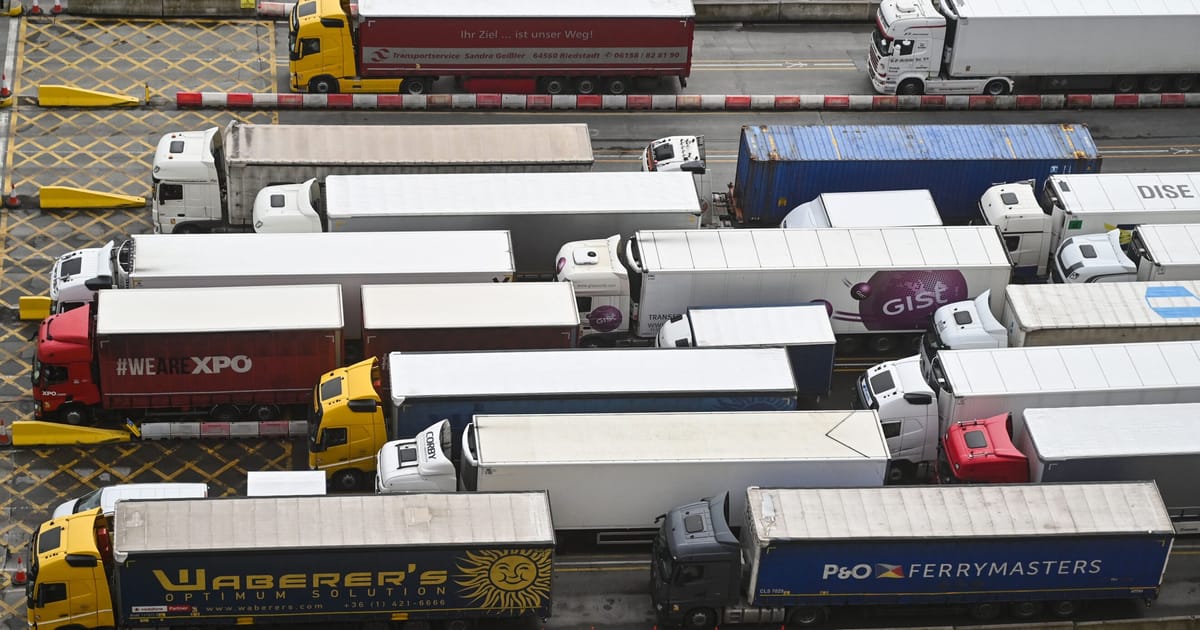
With the grand vision of a new single market seemingly off the table, attention has pivoted to the more pragmatic, incremental work of enhancing cooperation within the existing frameworks. A BBC report, citing industry insiders briefed on ongoing talks, suggests that negotiations are now focused on the granular but crucial details of sectoral agreements. Key areas of immediate concern include simplifying the trade of food, agricultural products, and energy—sectors where complex rules of origin and regulatory checks have imposed significant costs and friction on businesses and consumers alike. This technical, unglamorous work is where real progress is most likely, as both sides share an interest in reducing unnecessary burdens without revisiting politically toxic debates over sovereignty or freedom of movement.
The European Commission itself has maintained a characteristically cautious and diplomatic public stance. In response to the flurry of media speculation, a Commission spokesperson stated they would not comment on the reports directly. Instead, they emphasized a focus on concluding work on “the key files of last year’s Common Understanding,” a reference to ongoing technical negotiations aimed at smoothing the implementation of the Windsor Framework and other agreements. Notably, the spokesperson did articulate a positive forward path, identifying specific areas where the EU sees “scope to deepen cooperation where it matters most now.” These explicitly named areas—joint defense initiatives, steadfast support for Ukraine, collaboration on innovation and research, and coordinated efforts to tackle irregular migration—represent a clear roadmap for a strategic partnership that exists outside the confines of the single market.
This moment, therefore, encapsulates the current state of U.K.-EU relations: a British government expressing a desire for a warmer, more central relationship while facing the rigid realities of a post-Brexit world, and a European Union willing to be a pragmatic partner on shared global challenges but unwilling to revisit core constitutional settlements. The Prime Minister’s “heart of Europe” ambition is likely to be realized not through a dramatic new treaty, but through the accumulation of smaller, practical agreements on trade frictions and through solidified alliances on security and foreign policy. The path forward is one of patient diplomacy and technical adjustment, a recognition that while the political symbolism of Brexit may fade slowly, the daily work of building a stable, cooperative, and productive relationship is both necessary and already underway.