



A cruise ship outbreak of a rare virus has captured global attention, raising understandable concerns about another potential pandemic. The virus in question is hantavirus, a disease typically transmitted to humans through contact with infected rodents or their droppings. As of a recent Friday, the World Health Organization confirmed six cases of a specific hantavirus variant—named the “Andes” subtype—linked to the cruise ship MV Hondius, with two additional probable cases. This particular subtype is noteworthy and concerning because, unlike other hantavirus strains, it is the only one known to have the capability of spreading directly between humans. This fact alone has heightened the sensitivity of the situation, evoking memories of other contagious pathogens.
However, the World Health Organization, through its Director General Dr. Tedros Adhanom Ghebreyesus, has been emphatic in calming public fears. He has directly addressed the anxiety, stating clearly that this outbreak “is not another Covid.” The WHO assures that, despite the human-to-human transmission potential of the Andes subtype, the overall public health risk from hantavirus remains low at this time. This assessment is crucial in preventing undue panic and maintaining a focus on managed, scientific response. The organization is drawing a deliberate distinction between this contained incident and the global, uncontrollable spread witnessed with COVID-19, emphasizing that hantaviruses are not novel and their transmission dynamics are well-studied.
The situation has nonetheless provoked political and public controversy, particularly in Spain. The Spanish government’s plan to allow the MV Hondius to arrive at Tenerife in the Canary Islands has faced opposition from some local leaders. Understanding the apprehension of the island’s residents, Dr. Tedros took the extraordinary step of addressing the people of Tenerife directly via social media. He acknowledged their fears and the difficulty of the situation, while also praising the island’s proposed response as one of “grace, solidarity, and compassion.” This personal communication underscores the human element of public health crises—the fear in communities asked to host such operations and the need for transparent, respectful dialogue.
To ensure this dialogue is backed by action and oversight, a high-level coordination effort is underway. Dr. Tedros himself is set to travel to Tenerife, accompanied by Spain’s interior and health ministers, to personally oversee the arrival and disembarkation protocol. His presence signals the operation’s importance and the WHO’s commitment to a safe, controlled resolution. Furthermore, he stated his intention to stand alongside the local health workers, port staff, and officials managing the operation, highlighting the on-ground human effort required in such responses.
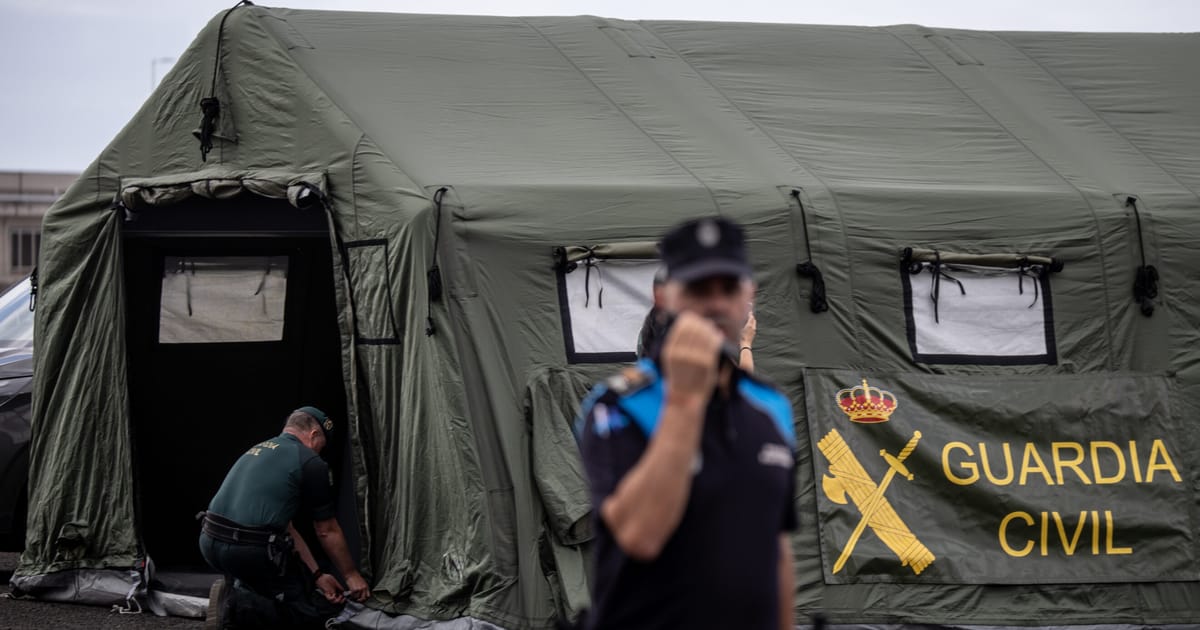
The disembarkation plan itself is designed to be an exercise in extreme containment and safety. The ship will not dock traditionally. Instead, it will anchor off the coast of Tenerife. Passengers will then be ferried to the industrial port of Granadilla. From there, they will be transported in “sealed, guarded vehicles” through a “completely cordoned-off corridor” to be repatriated directly to their home countries. This meticulous choreography aims to create a closed loop, minimizing any potential contact with the local population or environment, thereby protecting both the passengers and the community of Tenerife.
In summary, this incident represents a controlled public health challenge, not an uncontrolled pandemic threat. While the hantavirus Andes subtype’s ability to spread between humans is a serious virological fact, the global response is characterized by deliberate, transparent, and highly coordinated management. From the WHO’s firm risk assessment to the personal engagement of its Director General, and from the controversial yet carefully planned Spanish governmental decision to the intricate, sealed disembarkation protocol, every step is being taken with scientific precision and a respect for public concern. The focus remains on resolving this specific outbreak on a specific ship, while continually reassuring the world that the specter of COVID-19 is not being reawakened.