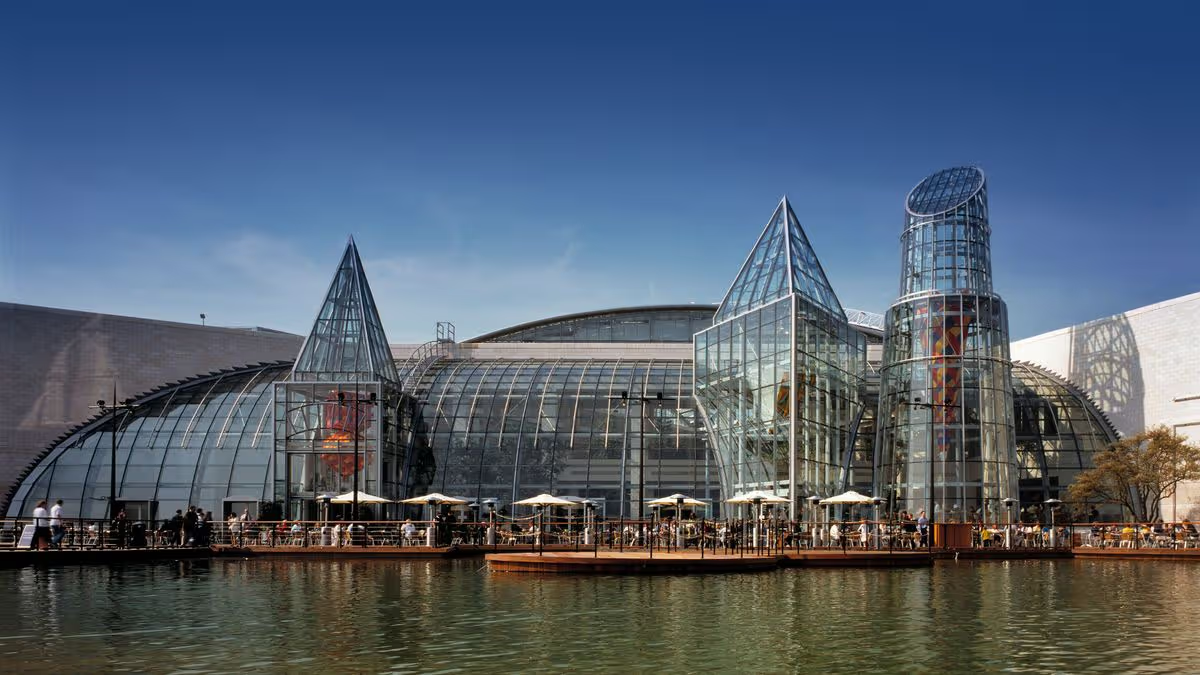


It was a typical, bustling Saturday afternoon at Bluewater Shopping Centre in Stone, Kent. Shoppers, enjoying a leisurely weekend trip, meandered through the vast complex, browsing stores, sipping coffee, and soaking in the vibrant atmosphere. The familiar hum of conversation and the gentle flow of foot traffic painted a picture of normalcy. Without warning, however, that calm was shattered. The sight of emergency vehicles arriving with flashing lights and the sharp sound of official instructions cutting through the air transformed the scene from one of relaxation to one of alarm. People paused, their shopping bags momentarily forgotten, as they watched with growing concern while police and firefighters swiftly moved in, their presence signalling that something was very wrong. A sense of unease rippled through the crowd, turning casual outings into an afternoon of unexpected tension and uncertainty.
The urgent response centred on what authorities quickly identified as a significant electrical fire, believed to have originated within the popular EE mobile phone store. As thick smoke began to seep into the common areas, the professional yet urgent actions of the fire crews became the focal point. They established a wide safety cordon, a visible line of tape and personnel that transformed sections of the familiar mall into restricted zones. For the families, couples, and individuals present, this was no longer a backdrop for retail therapy; it became an active emergency scene. The smell of smoke, a scent utterly foreign and alarming in a space dedicated to commerce and leisure, made the danger tangibly real, replacing the scent of food court fare and perfumed store air with an acrid warning.
Around 3 p.m., the necessary order came: a partial evacuation of the premises. What followed was a testament to both human anxiety and collective composure. Store staff, guided by emergency protocols, helped direct customers toward designated exits, their rehearsed drills now in vital practice. Shoppers, though visibly shocked and worried, largely followed instructions, moving in orderly streams away from the affected area. The scene was one of controlled urgency—parents shepherding children, friends clutching each other’s arms, and individuals glancing back over their shoulders at the growing emergency presence. Their weekend plans, whether for a new outfit, a meal, or simply a day out, were abruptly put on hold, replaced by the singular goal of reaching safety.
Outside, the scale of the incident became even clearer. The cordon expanded, holding back a gathered crowd of evacuees and concerned onlookers. People huddled in groups, sharing snippets of information they had heard or seen, their faces etched with concern as they watched firefighters work at the scene. The juxtaposition was stark: a beautiful spring afternoon now framed by emergency vehicles and the dedicated professionals combating a hidden threat within. For many, the waiting was the hardest part—wondering about the safety of others, the extent of the damage, and the fate of belongings left behind in the rush. The communal experience of disruption fostered a temporary bond among strangers, united by shared uncertainty and relief at having escaped unharmed.
This breaking news event, unfolding on the afternoon of Saturday, May 9, 2026, serves as a stark reminder of how quickly ordinary life can be interrupted. Shopping centres like Bluewater are modern-day town squares, designed for comfort and community. To see such a space become the epicentre of an emergency response is profoundly disorienting. The incident underscores the invisible infrastructure we rely upon and the fragility of our daily routines. It also highlights the indispensable role of first responders, whose training and bravery ensure that what could become a tragedy is managed into an incident of property damage and disruption, with no initial reports of serious injuries being the most crucial detail of all.
As the situation was brought under control later that evening, the community was left to process the events. Shoppers returned home with stories far different from the ones they expected to tell, carrying with them the lingering adrenaline of the unexpected. The event will prompt reflections on safety protocols, emergency preparedness, and the quiet gratitude for a crisis averted. While the investigation into the precise cause of the electrical fire will continue, the human story of that Saturday is one of interrupted plans, shared anxiety, and ultimately, resilience—a narrative that resonates far beyond the retail walls of Bluewater, touching on our universal experiences of vulnerability and the collective sigh of relief when danger passes.