


In today’s complex geopolitical landscape, European Union foreign ministers gather in Brussels for a meeting where two particularly pressing issues are poised to dominate the agenda: Israel and Russia. These subjects reflect not only the bloc’s immediate security and diplomatic priorities but also its evolving role on the world stage amid shifting alliances and rising global tensions. The discussions are expected to delve into how the EU can assert a more unified and impactful foreign policy, especially as conflicts persist and international partnerships face strain. This meeting represents a critical moment for European diplomacy, as ministers seek to balance moral imperatives with strategic interests in regions that directly impact European stability and values.
A significant development under consideration is the potential imposition of sanctions against several Israeli individuals linked to settler violence in the West Bank. After prolonged deliberation and internal divisions, the EU appears to be moving toward a consensus on this sensitive matter, signaling a willingness to take tangible action against actions that undermine peace and violate international norms. Such a step would mark a notable shift in the bloc’s approach, emphasizing accountability and the protection of Palestinian rights. Concurrently, the EU is preparing a new round of sanctions against Russia, aimed at increasing pressure on Moscow to return to negotiations. These coordinated efforts highlight Europe’s dual focus: addressing prolonged conflicts with measures that promote justice and leveraging economic tools to foster diplomatic resolutions.
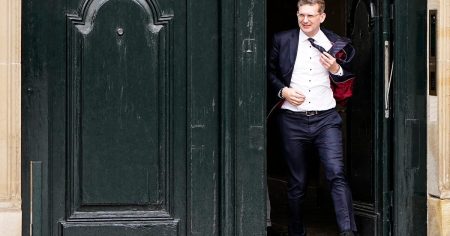
Amid these external challenges, the interview with Spanish Foreign Minister José Manuel Albares introduces a compelling internal debate about European sovereignty and defense. Albares argues forcefully that the EU must develop its own independent military capacity, citing the persistent threat from an assertive Russia on its borders and the potential retreat of American support under a future Trump administration. His call for “the sovereignty and independence of Europe” underscores a growing realization that relying on traditional allies may no longer be sufficient for ensuring continental security. This push for strategic autonomy reflects broader anxieties about an increasingly fragmented world order and the need for Europe to assert itself as a cohesive and self-reliant geopolitical actor.
Shifting from high politics to cultural concerns, the podcast also touches on anxieties within the French film industry about the possible rise of the far-right in upcoming presidential elections. Filmmakers and artists fear that a political shift could threaten the funding, creative freedom, and international reach of francophone cinema, which has long been a vibrant pillar of cultural expression and soft power. This concern illustrates how political changes can ripple through cultural sectors, affecting not only artistic production but also national identity and cross-cultural dialogue. It serves as a reminder that elections carry consequences far beyond policy—they shape the stories a society tells about itself and its place in the world.
As these diverse threads—from sanctions and security to cinema—come together, they paint a picture of a Union at a crossroads, grappling with its identity and influence. Whether through diplomatic measures, defense integration, or cultural advocacy, the EU is being compelled to define what it stands for and how it will navigate an era of uncertainty. The choices made in meetings like today’s will reverberate across continents, affecting everything from global stability to the films that captivate audiences. In this sense, the agenda in Brussels is more than a list of topics; it is a reflection of Europe’s ongoing journey to balance unity with diversity, principle with pragmatism, and sovereignty with solidarity.
Finally, in a lighter note that invites listener engagement, the podcast prompts an exchange about favorite films from France or other countries, offering a moment of connection amid weighty discussions. This simple question underscores the power of culture to bridge divides and inspire shared appreciation, reminding us that behind the headlines and high-stakes diplomacy, there are human stories and creative expressions that bind us together. As Europe faces complex challenges, such cultural threads remain essential, weaving through politics and policy to highlight our common humanity and the enduring value of art in times of change.